
Frequently asked questions
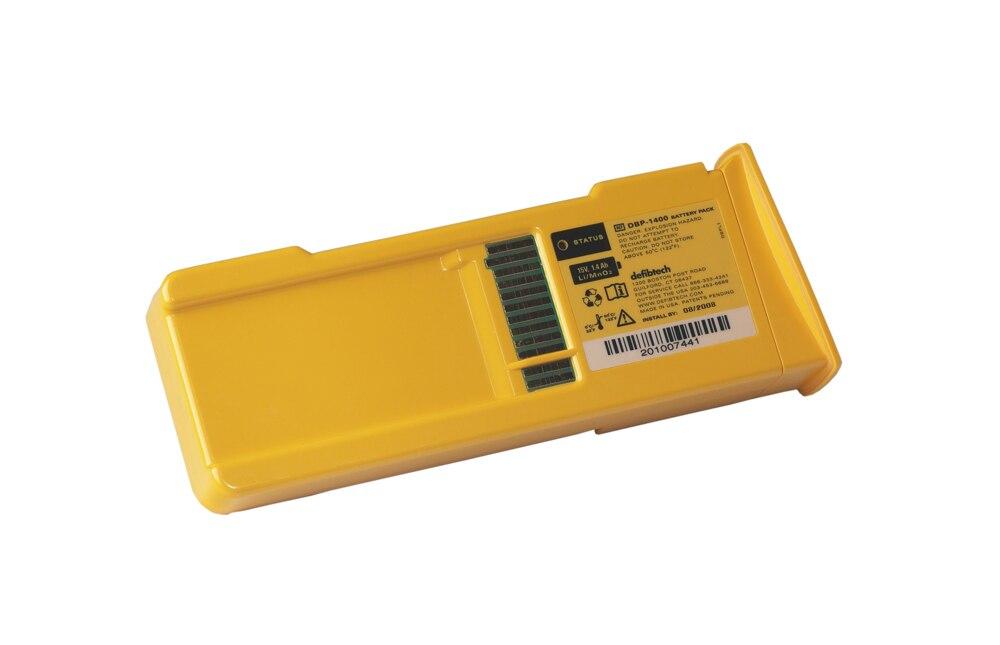
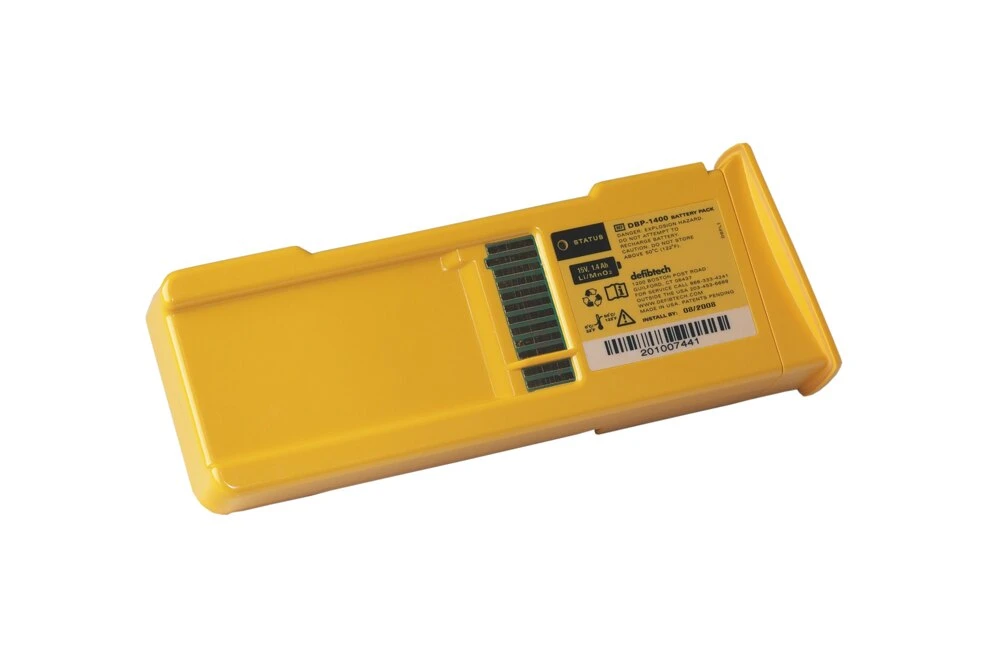
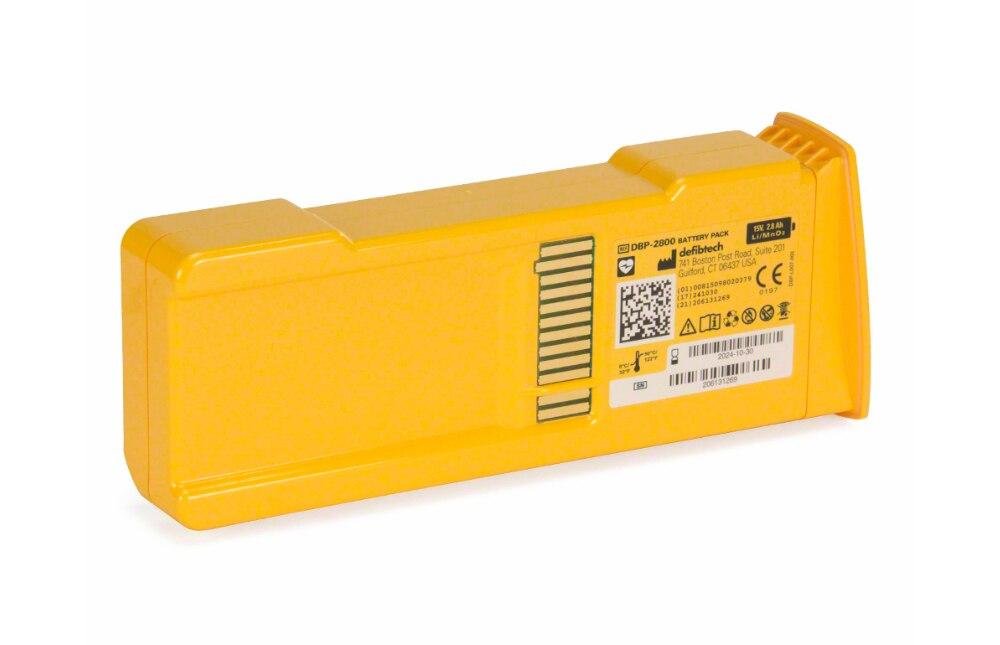
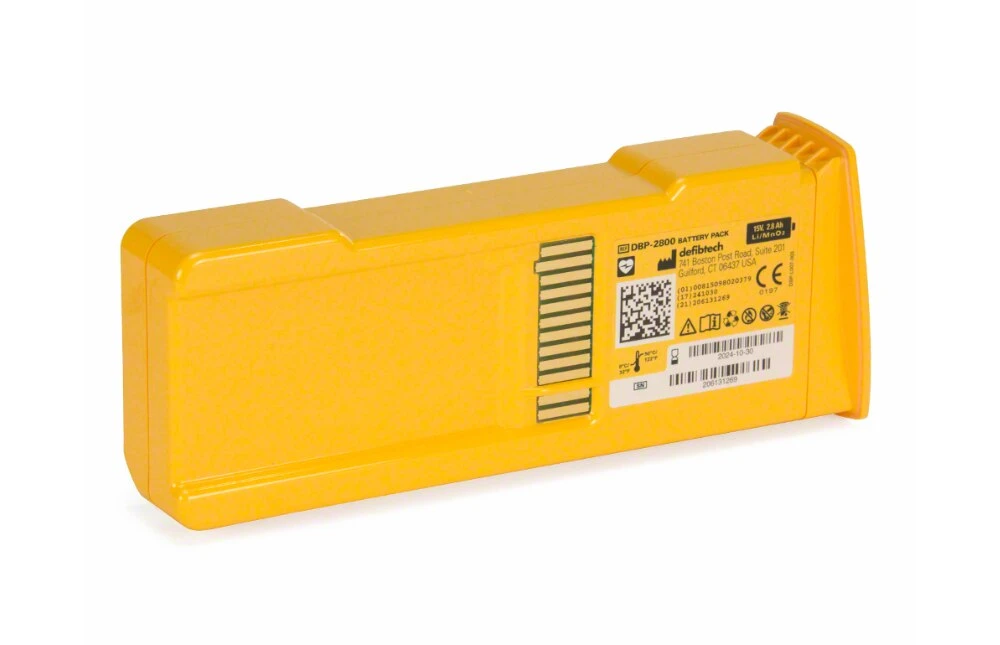
How often should AED pads and batteries be replaced?
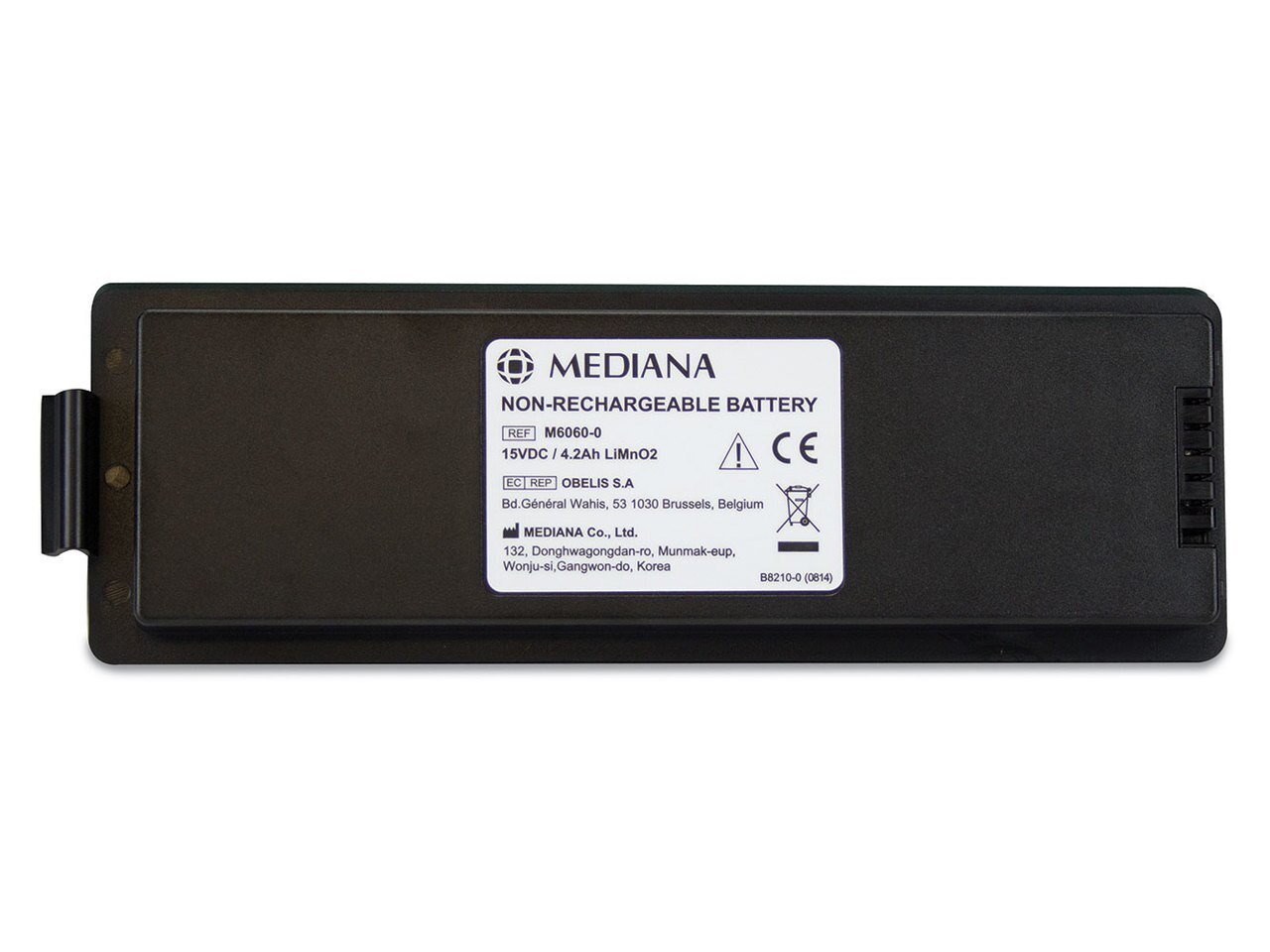
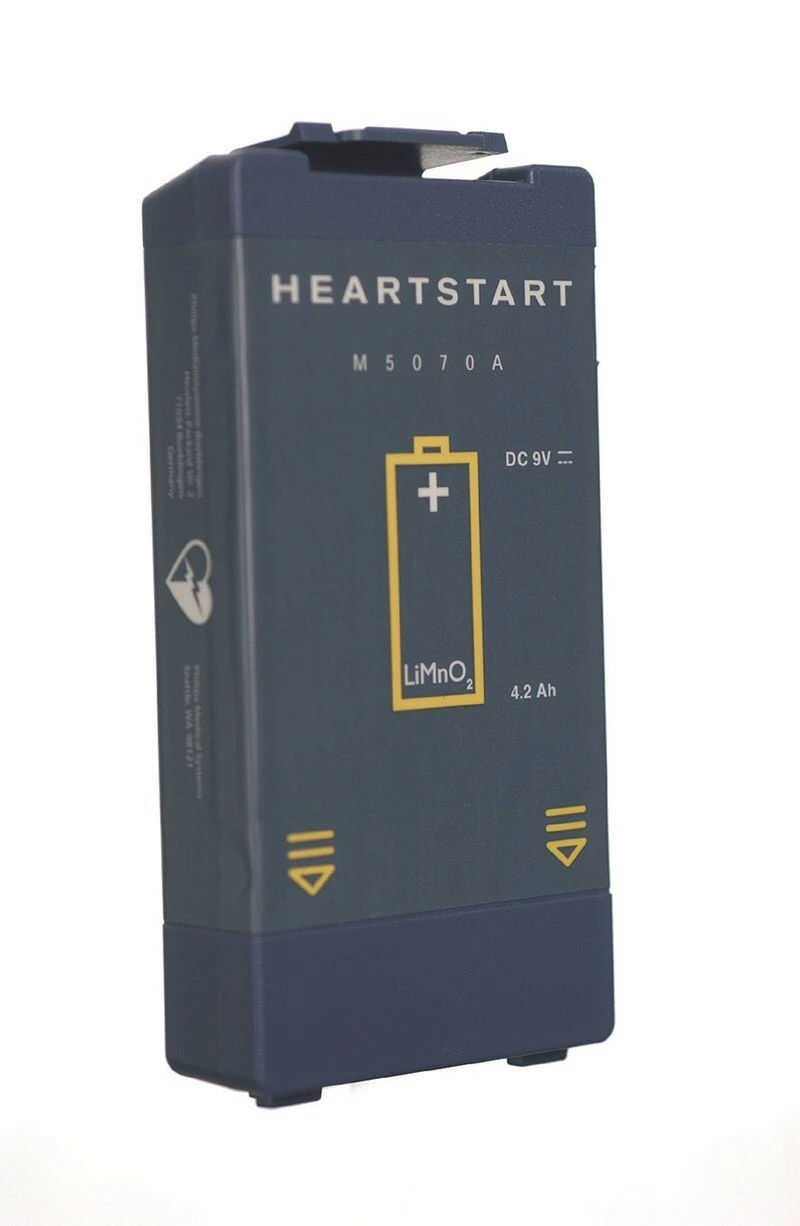
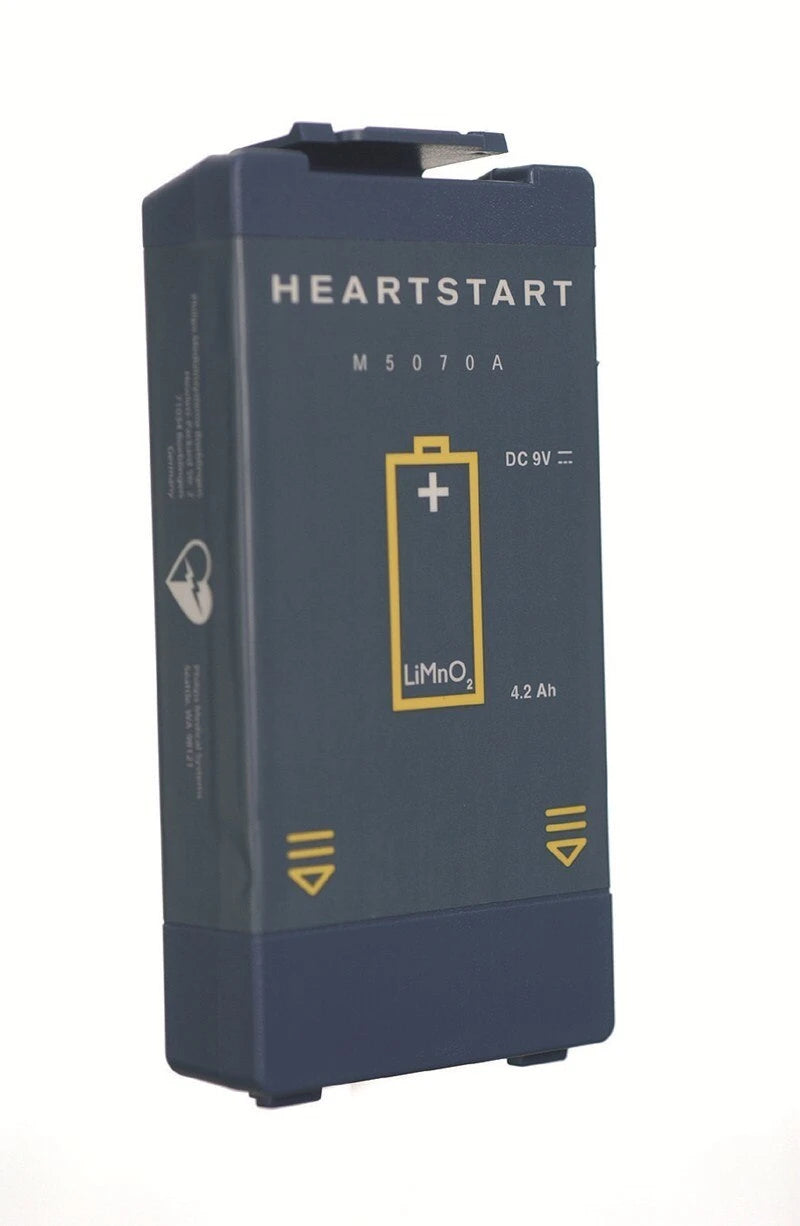
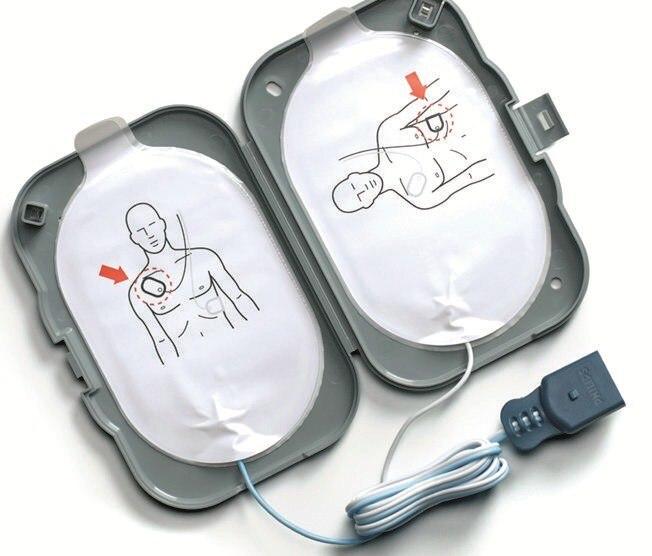
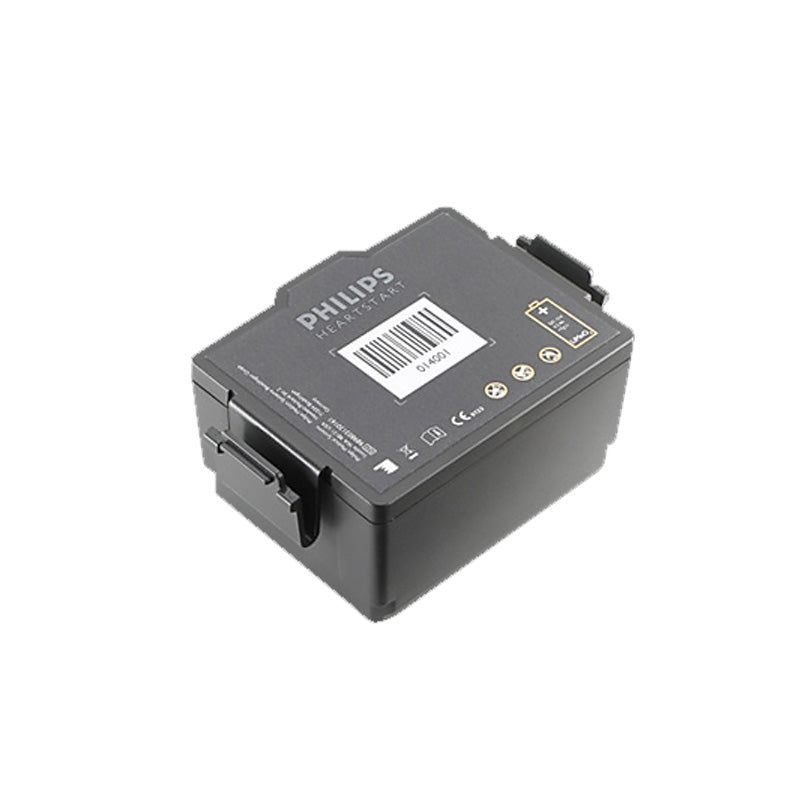
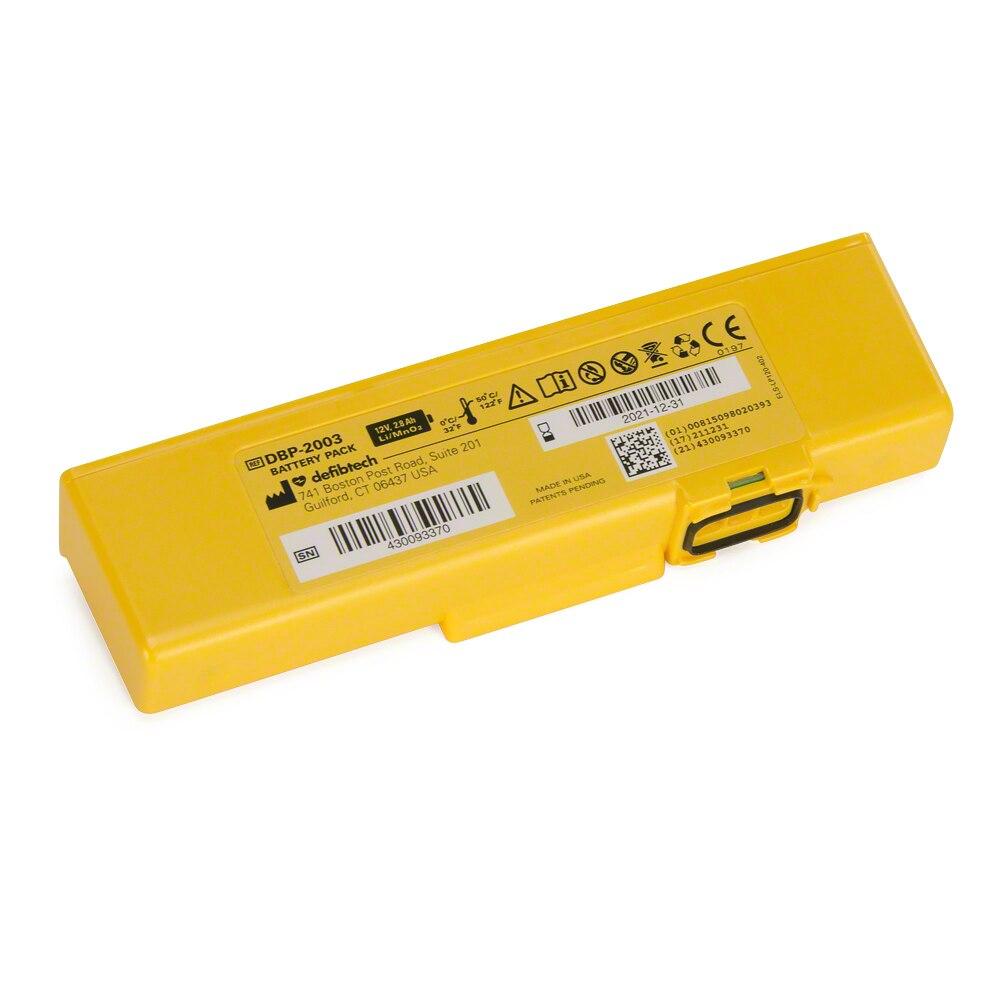
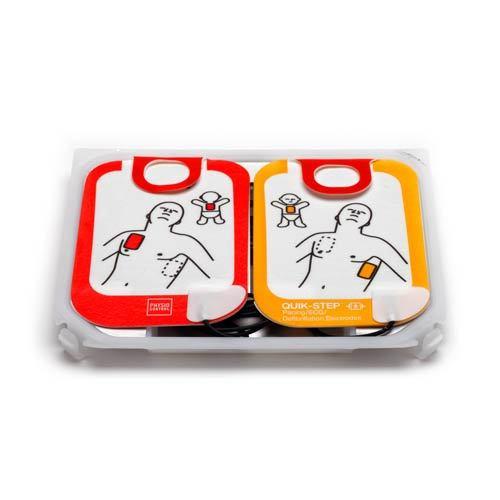
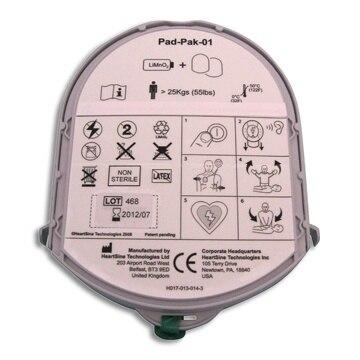
Pads and batteries carry expiry dates, generally every two to five years depending on the brand and part. Replace them before they expire, and check your AED's status indicator regularly so you know it is ready.
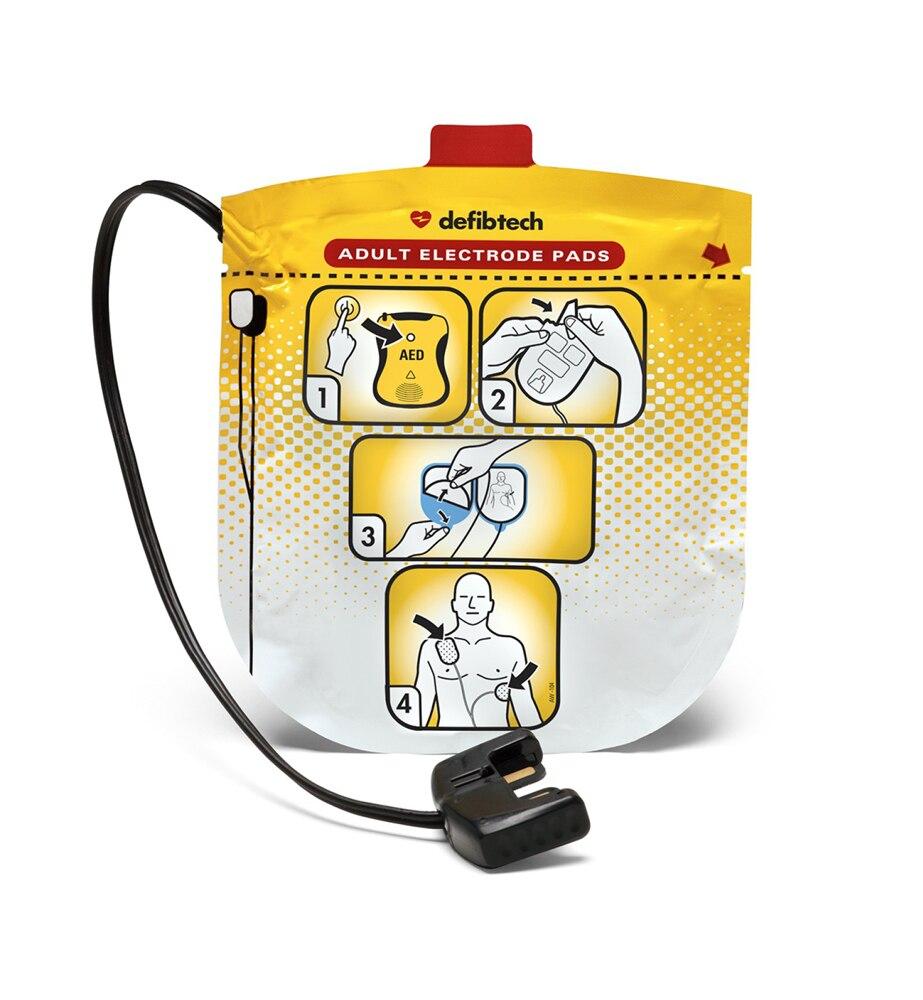
How do I find the right pads for my AED?
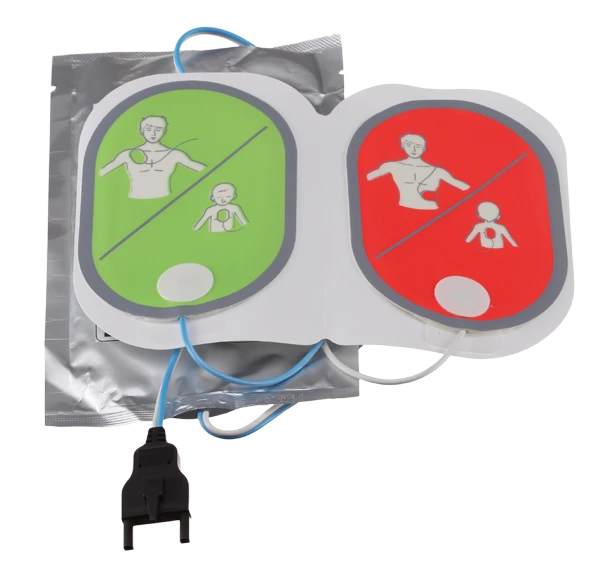
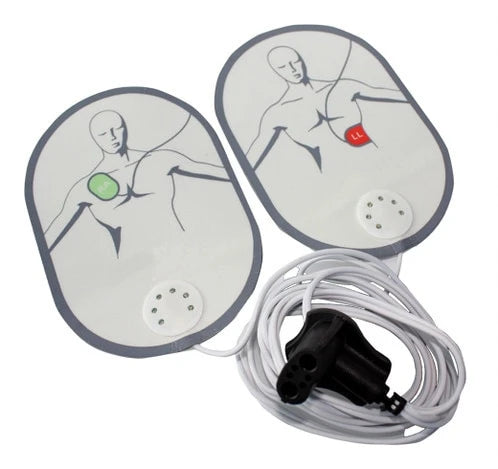
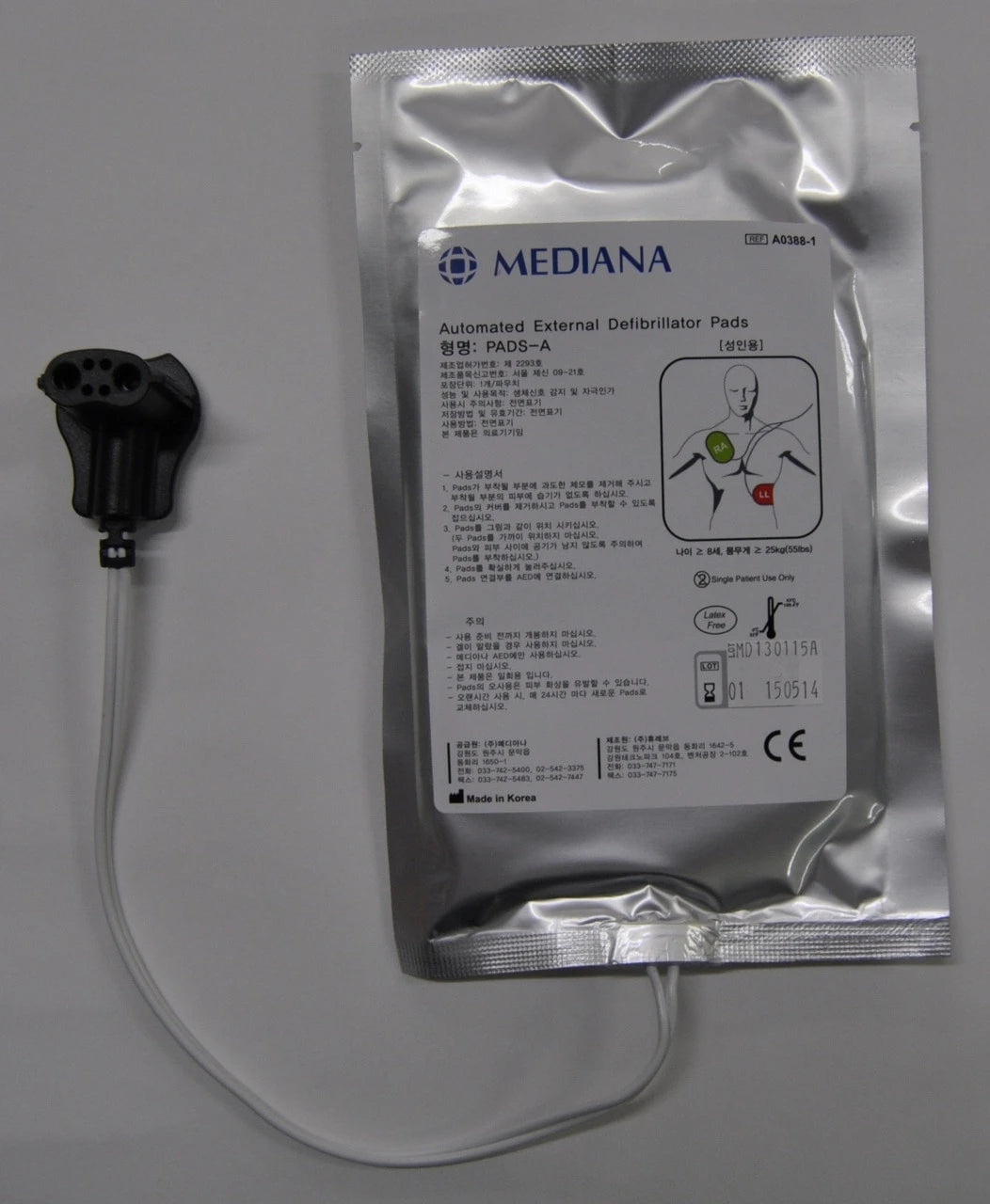
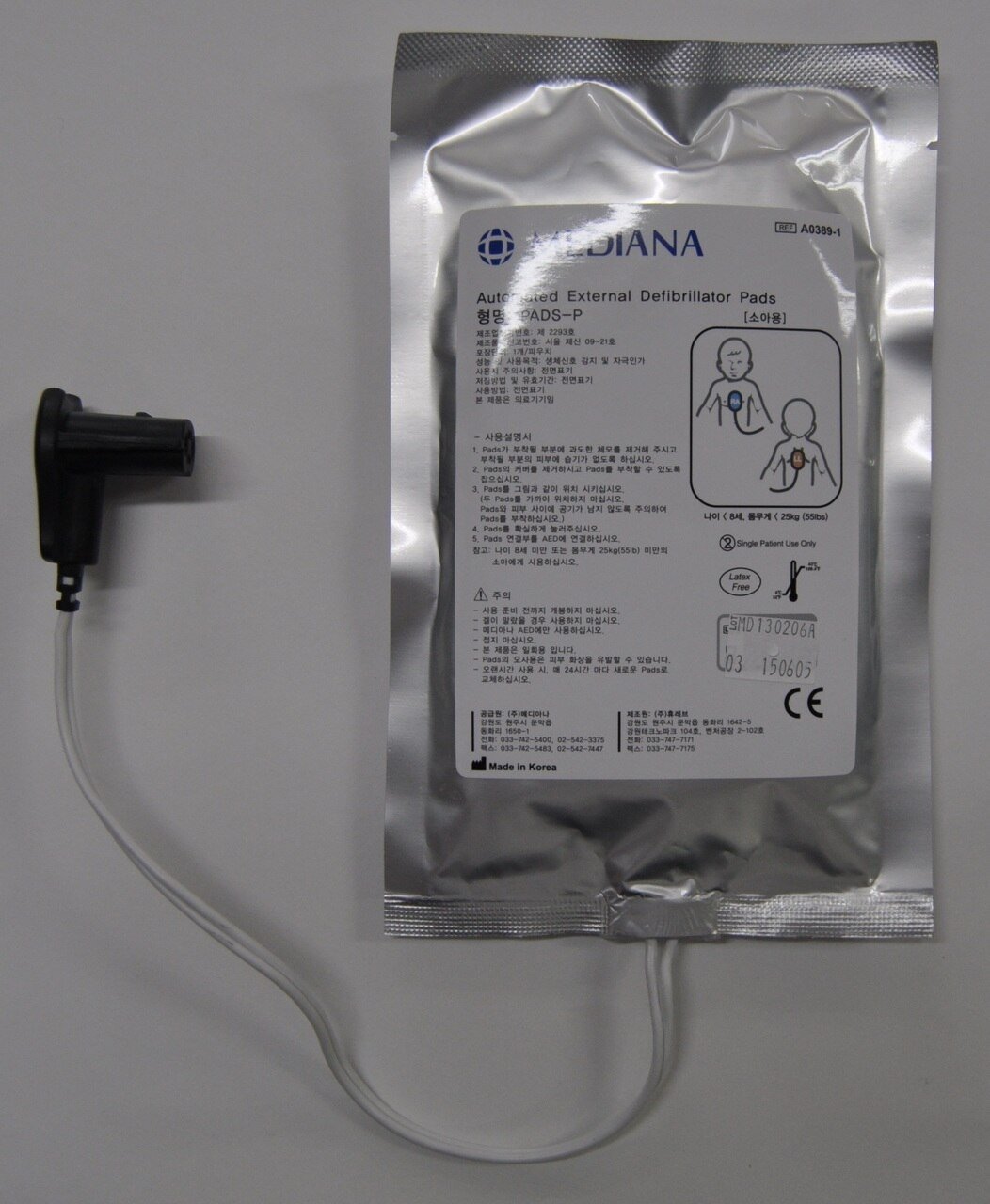
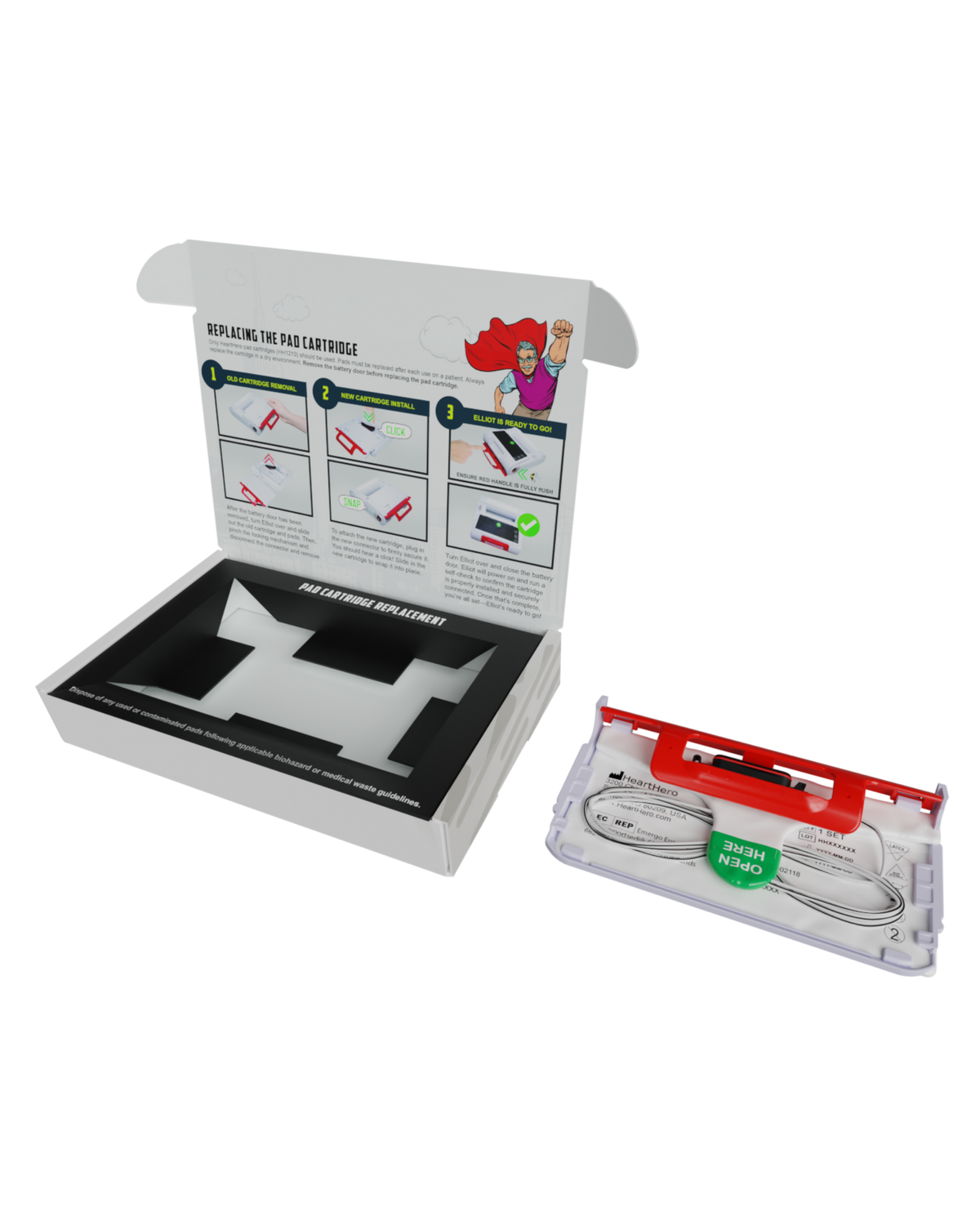
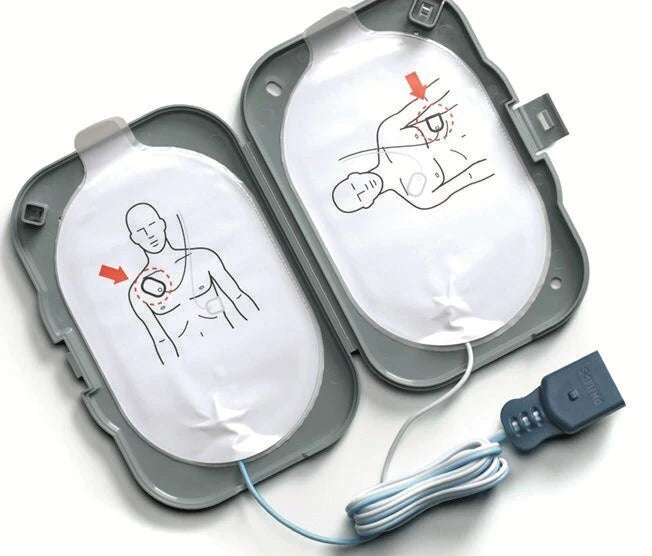
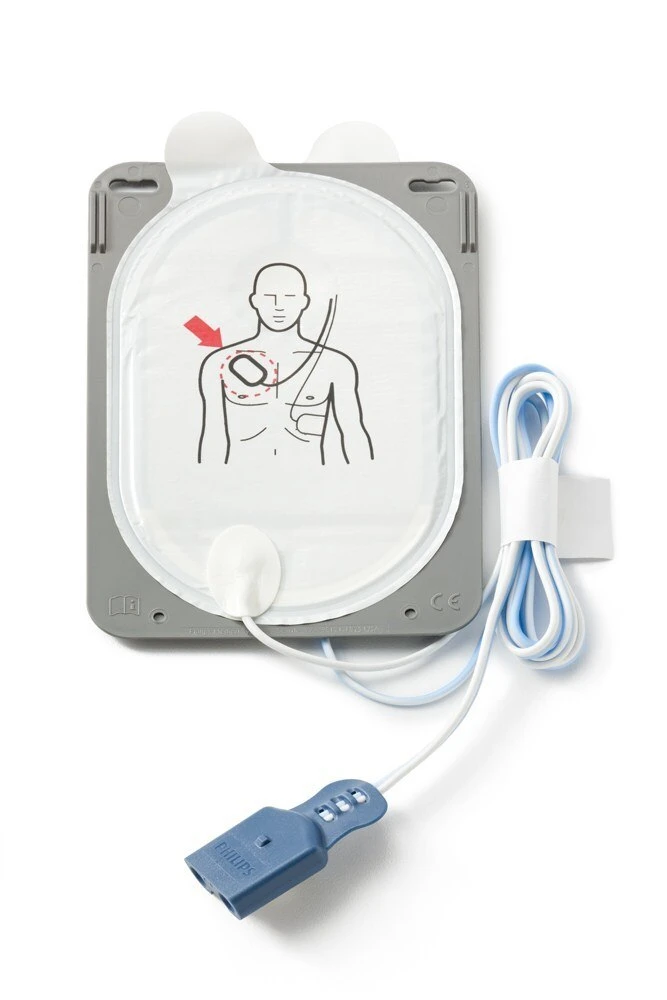
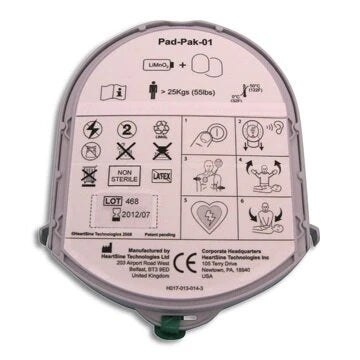
Pads are model-specific, so match them to your exact defibrillator, such as a Philips HeartStart HS1 or FRx, or a Mediana A15 or A10. If you are unsure, get in touch with your model details and we will confirm the correct part.
Do AED pads and batteries really expire?
Yes. The gel on pads dries out and batteries lose charge over time, so both have expiry dates. Expired pads or a flat battery can stop an AED working in an emergency, which is why regular replacement matters.
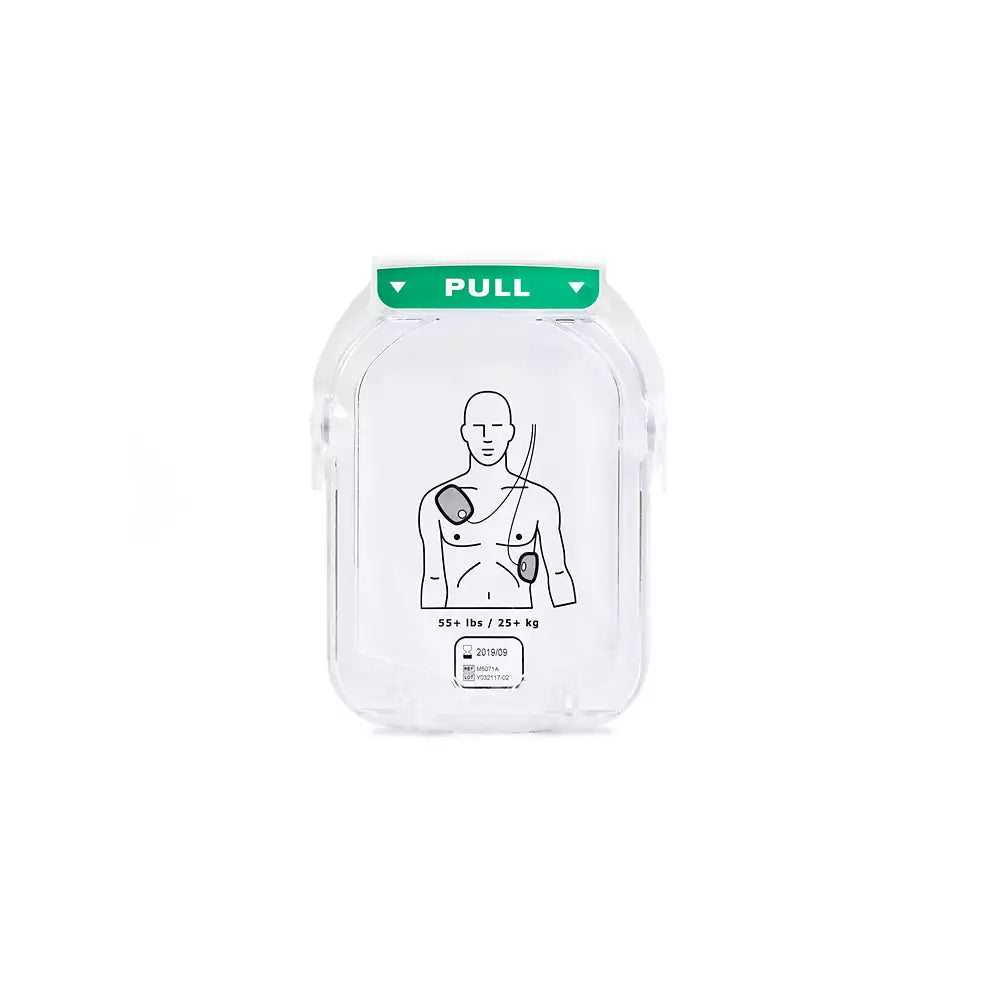
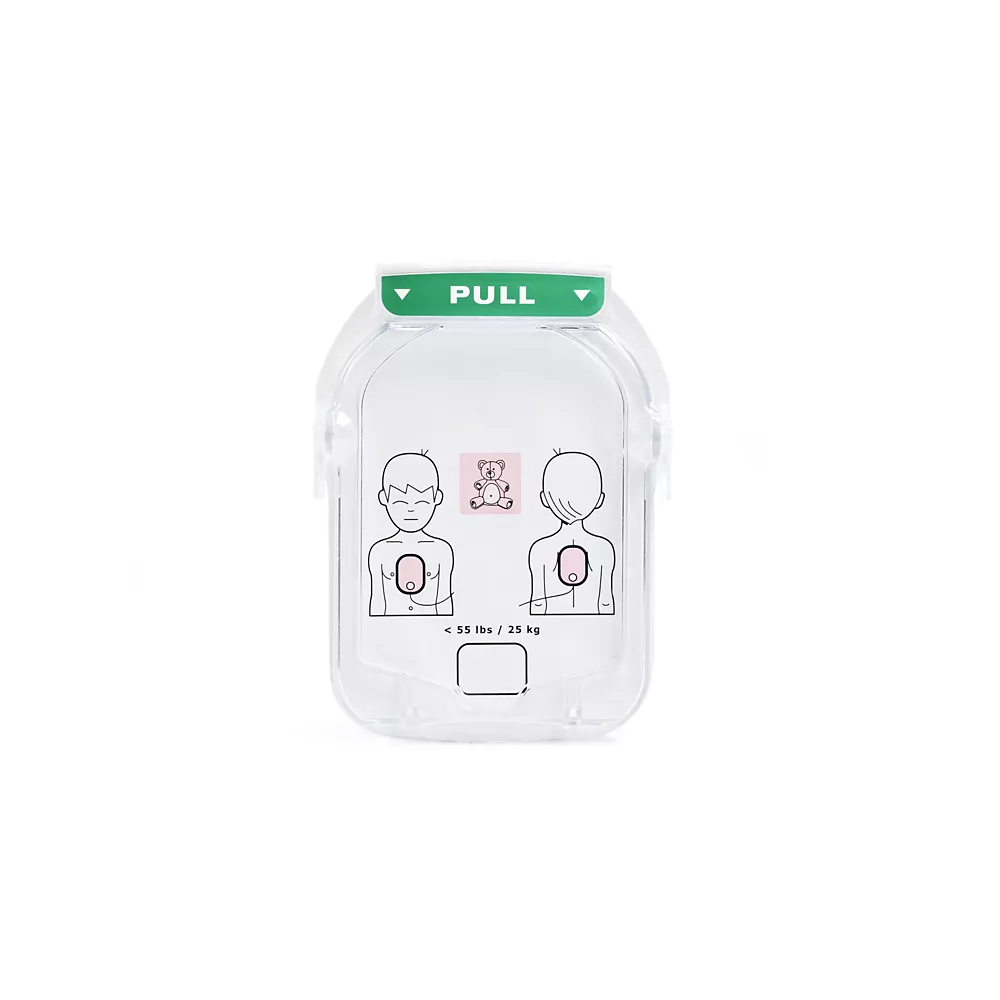
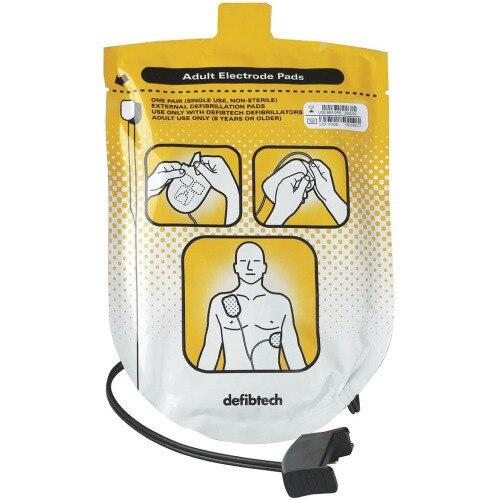
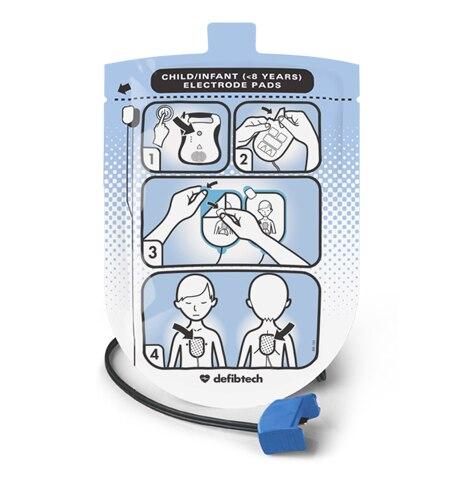
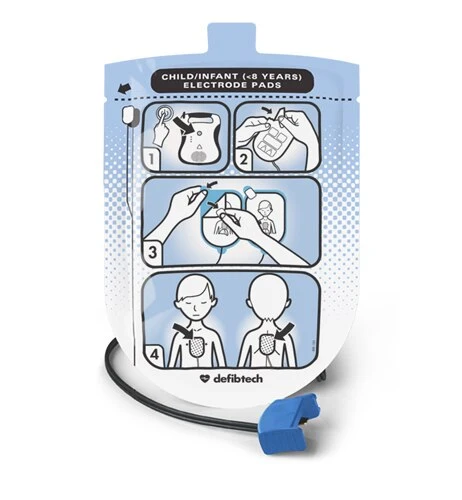
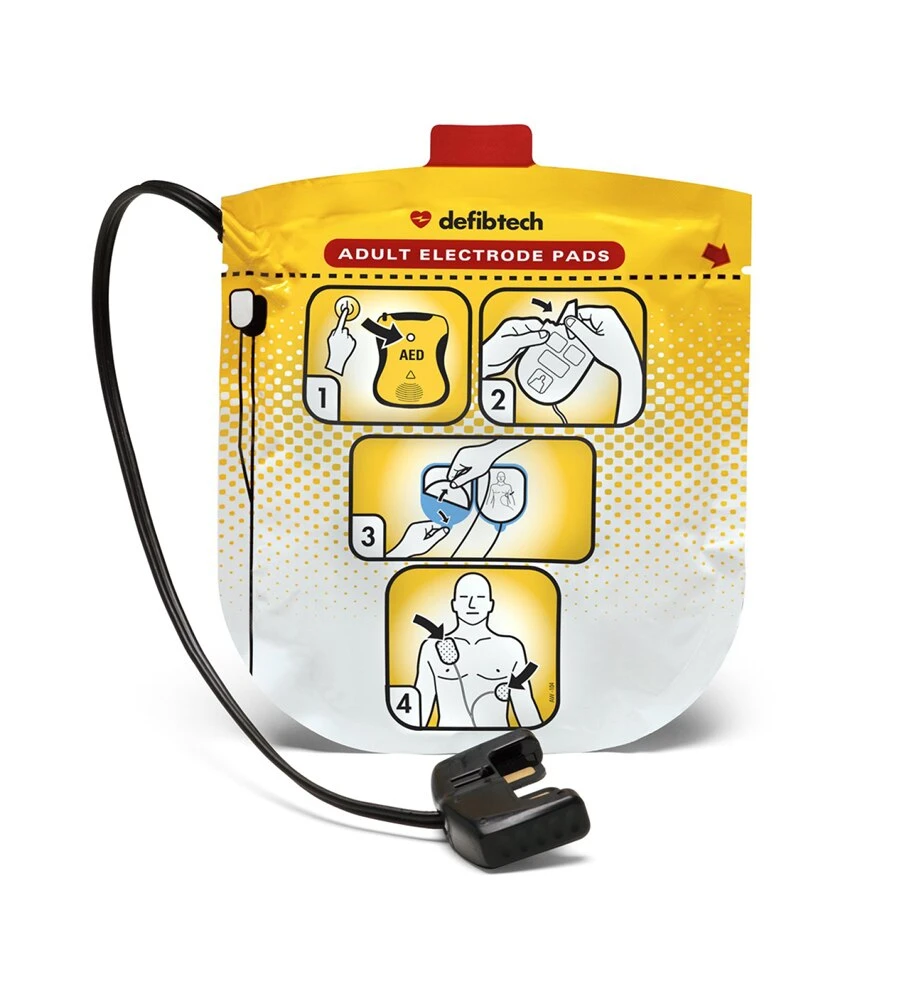
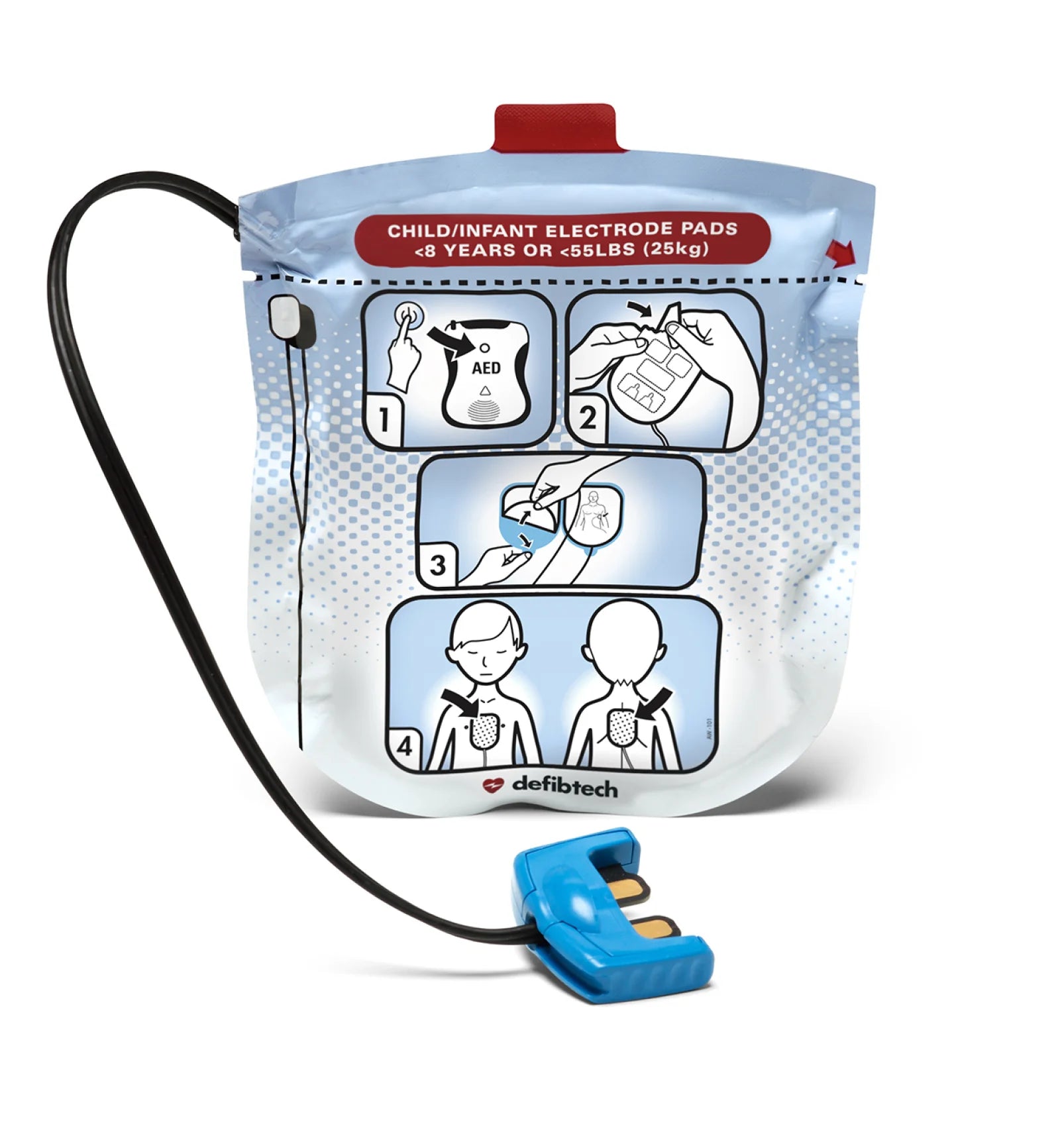
What is the difference between adult and child pads?
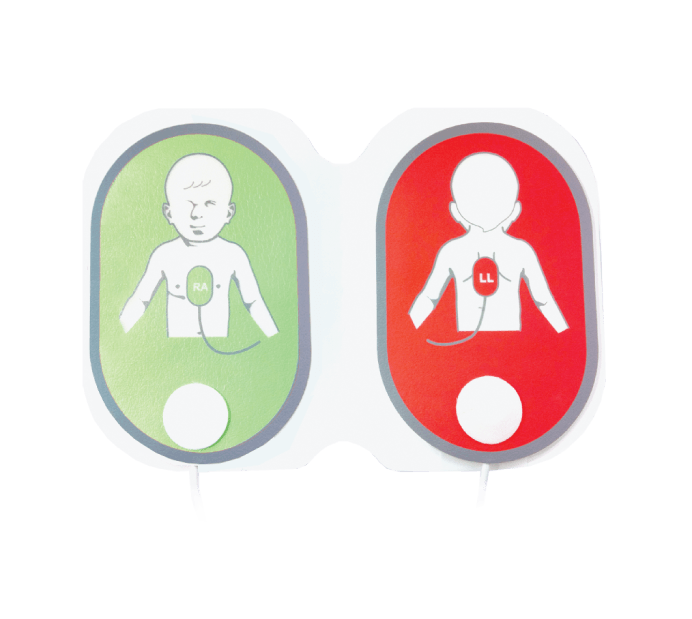
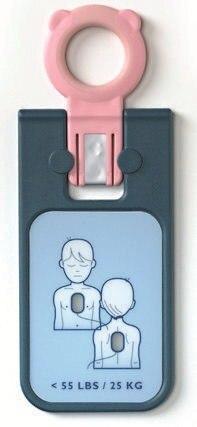
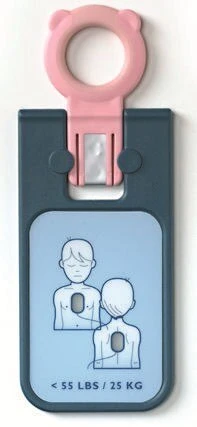
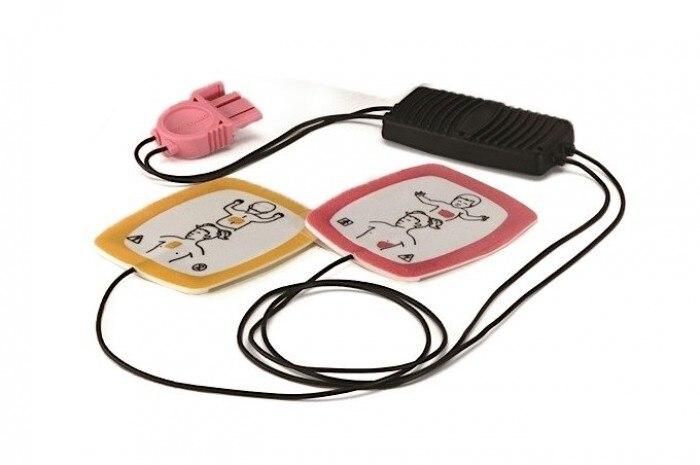
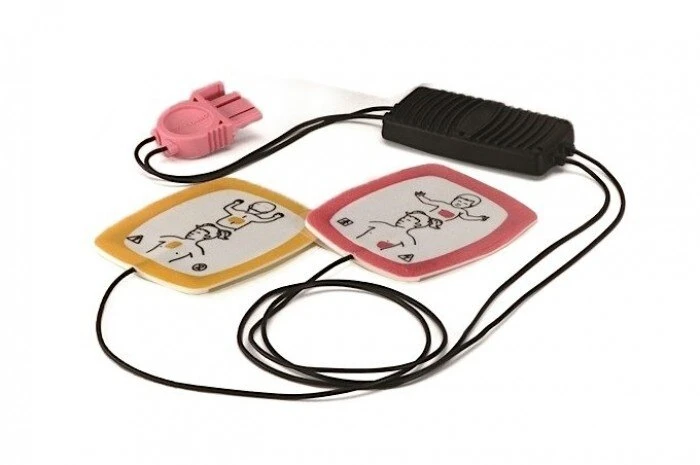
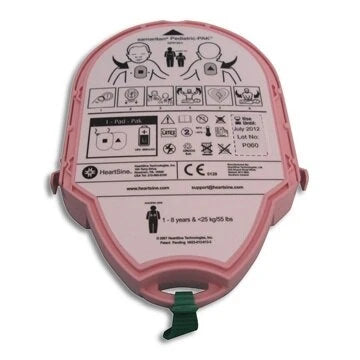
Child or paediatric pads reduce the energy delivered for younger patients and are often placed differently. Many AEDs use separate child pads or a child mode, so check what your model needs if you may treat children.
Can I use generic or third-party AED pads?
We recommend genuine pads and batteries matched to your AED model. The manufacturer's parts ensure correct fit, energy and compatibility, which is critical for a device you rely on in an emergency.
Should I keep spare pads on hand?
Yes. Keeping a spare in-date set of pads with the AED means you are covered if pads are used in an incident or reach their expiry, so the unit is never out of action.