






Frequently asked questions
What is an AED trainer?
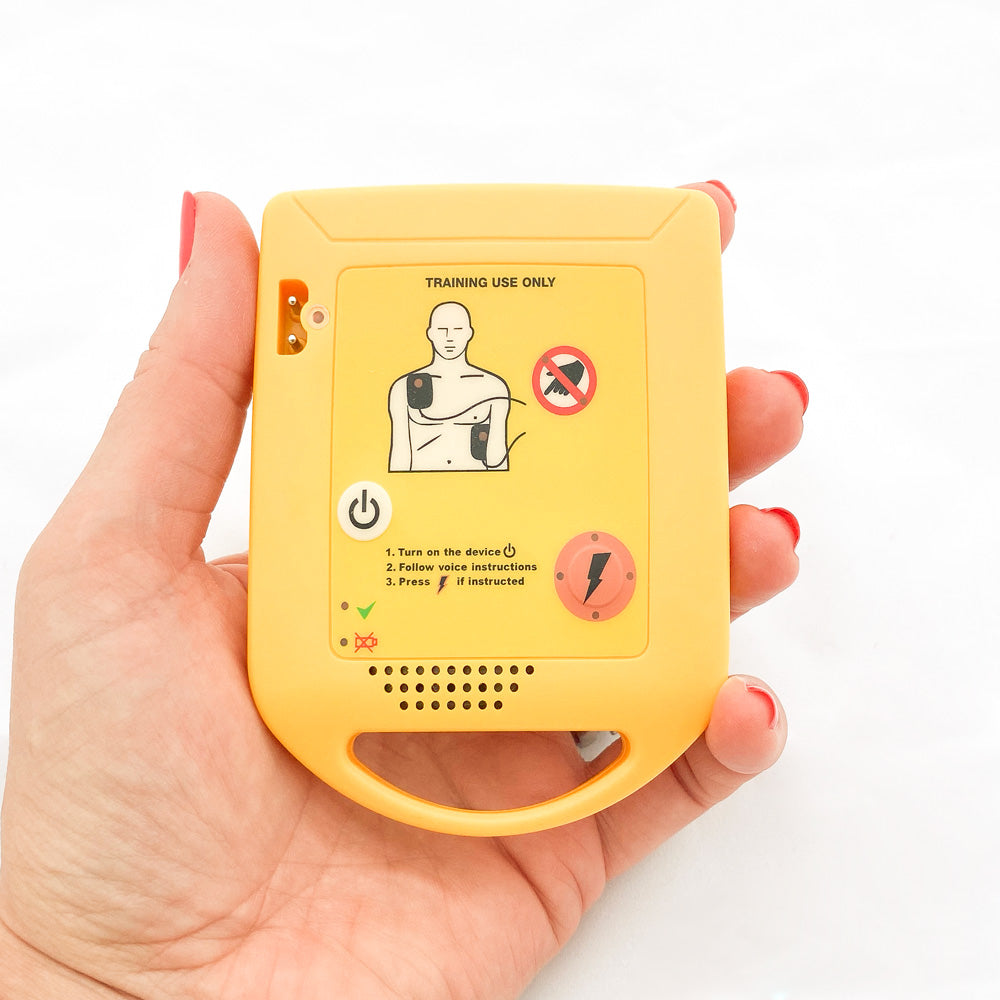
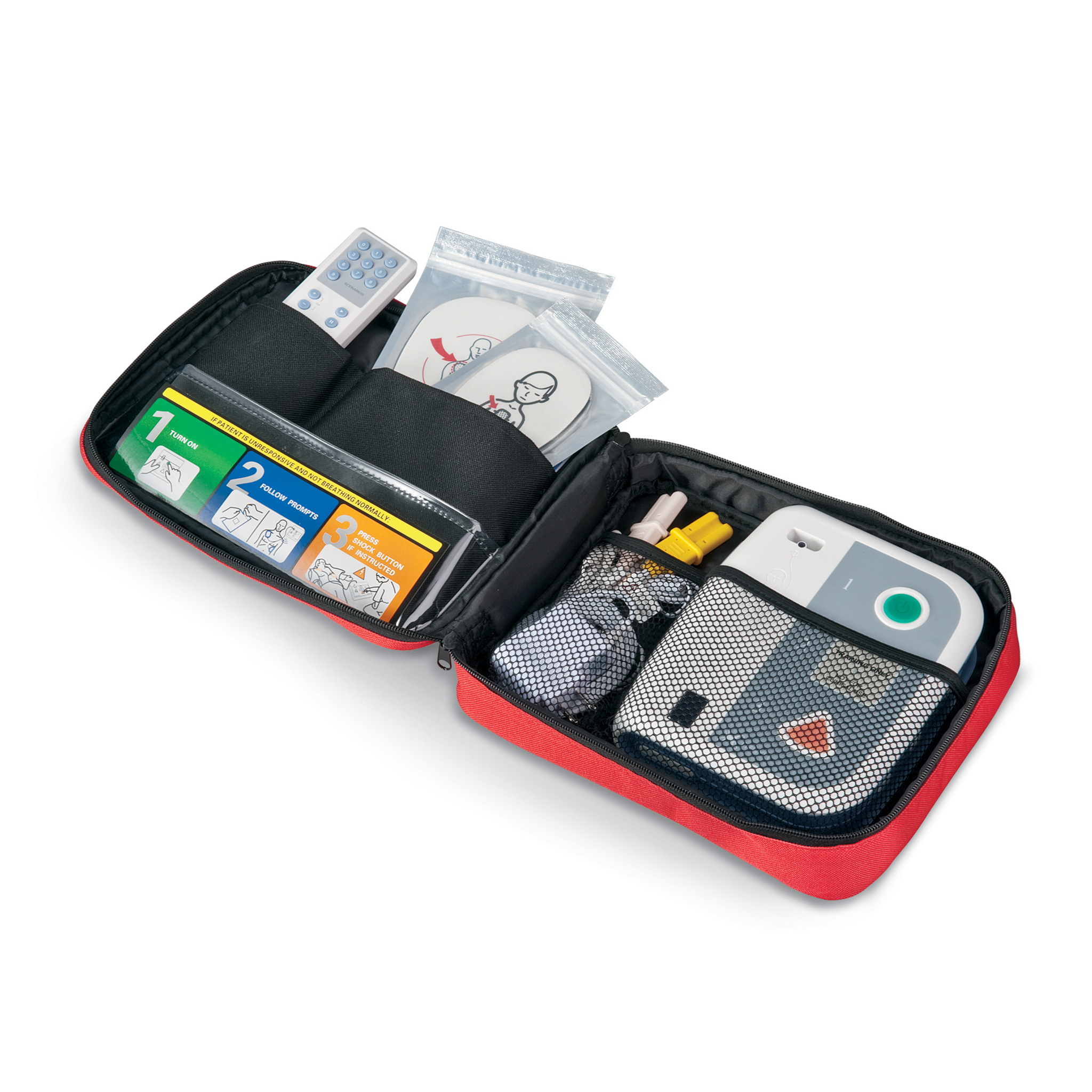
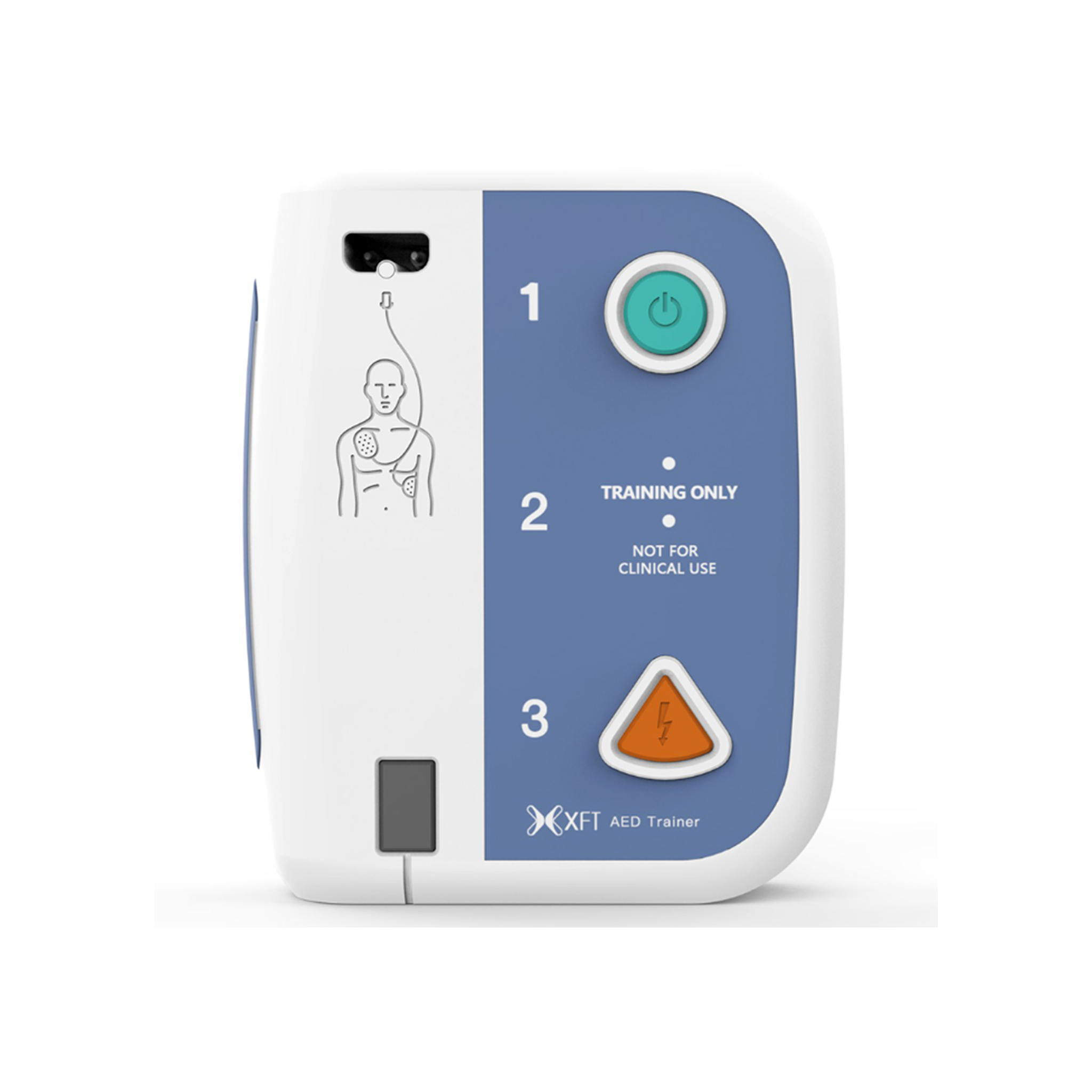
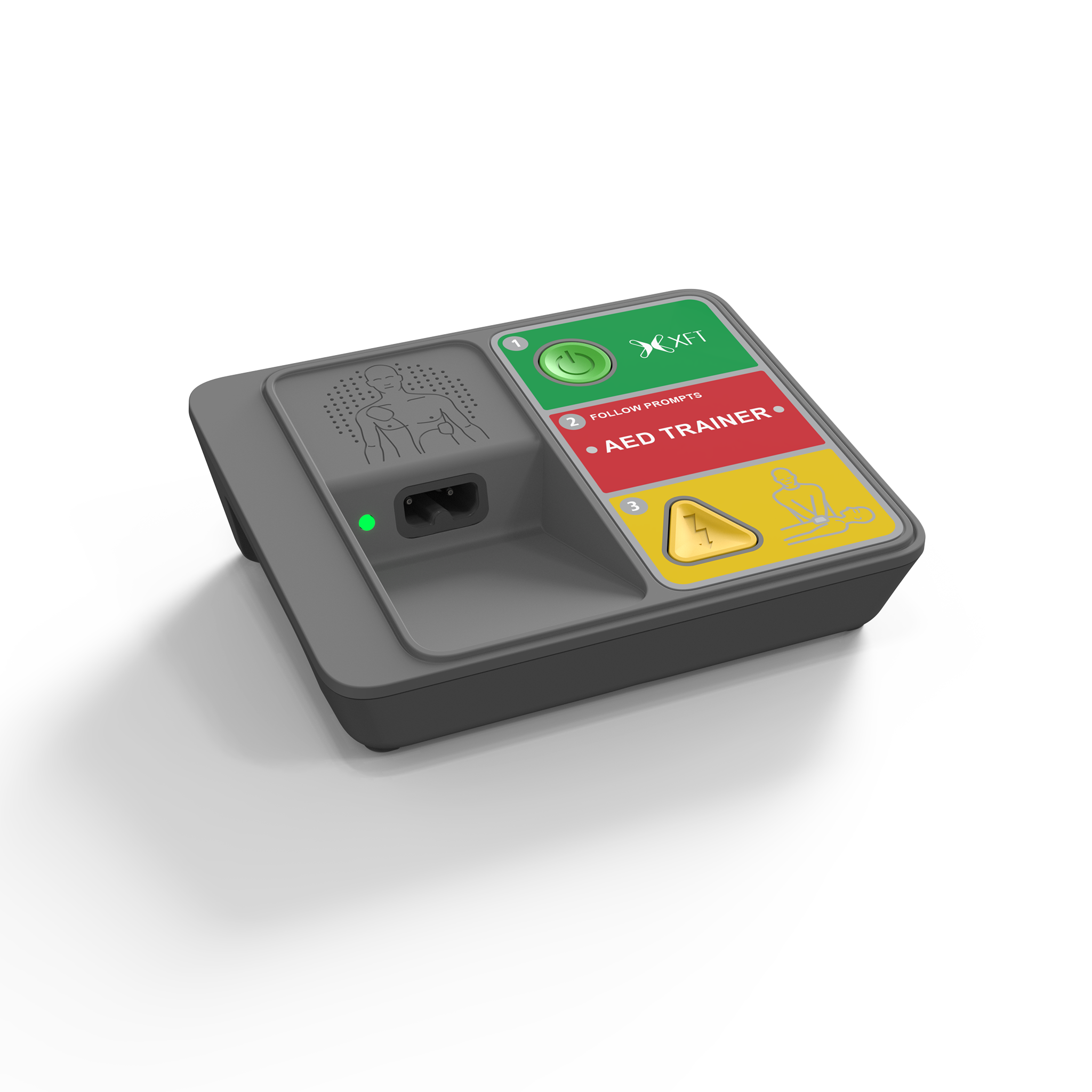
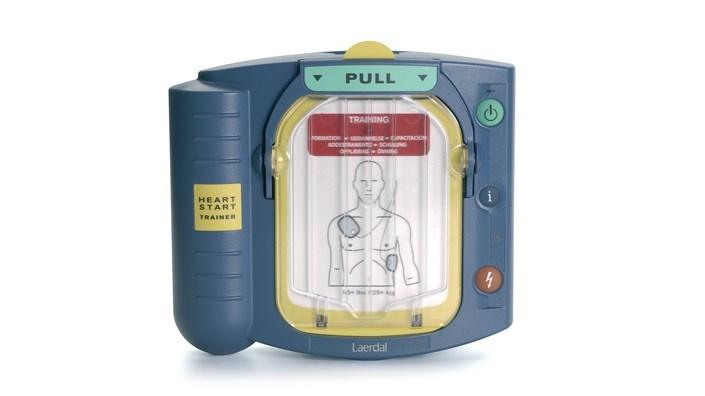
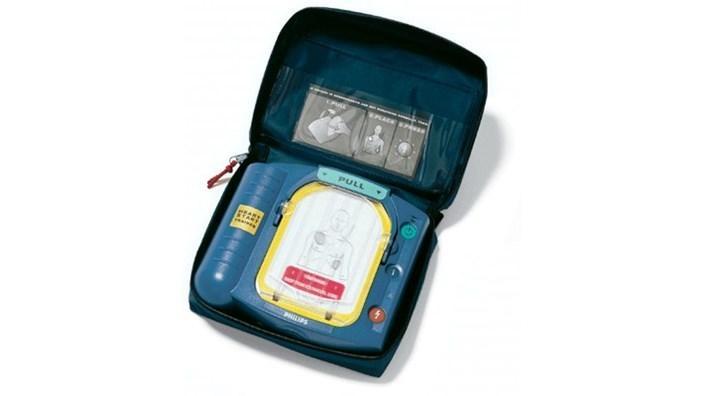
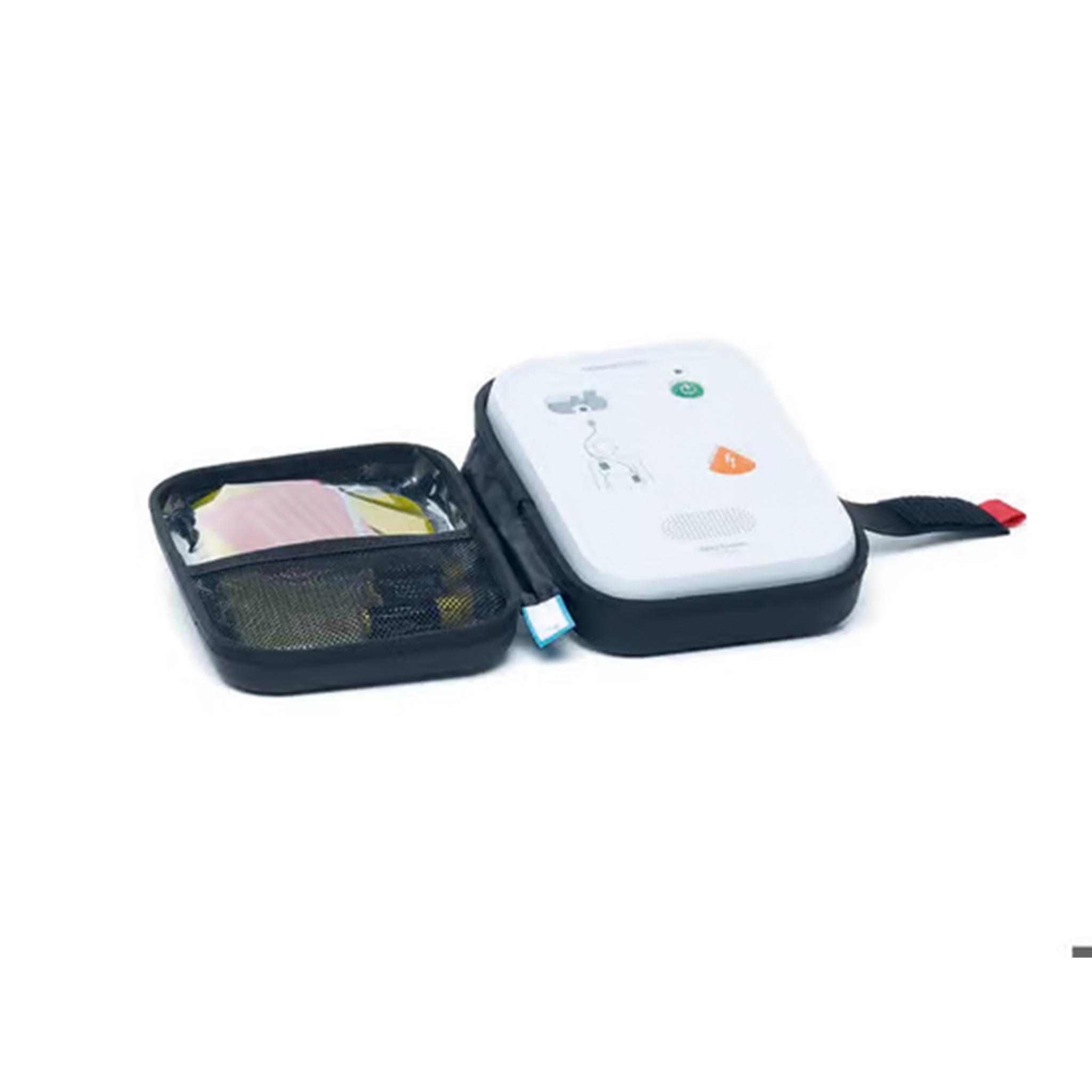
An AED trainer is a practice device that mimics a real automated external defibrillator, with the same prompts and pad placement, but delivers no shock. It lets learners rehearse using an AED safely and repeatedly during CPR and first aid training.
What is the difference between an AED and an AED trainer?
A real AED is a medical device that can deliver a shock to someone in sudden cardiac arrest. An AED trainer is a simulator for practice only: it runs the same prompts but cannot deliver a shock and must never be used in a real emergency.
How much does an AED trainer cost?
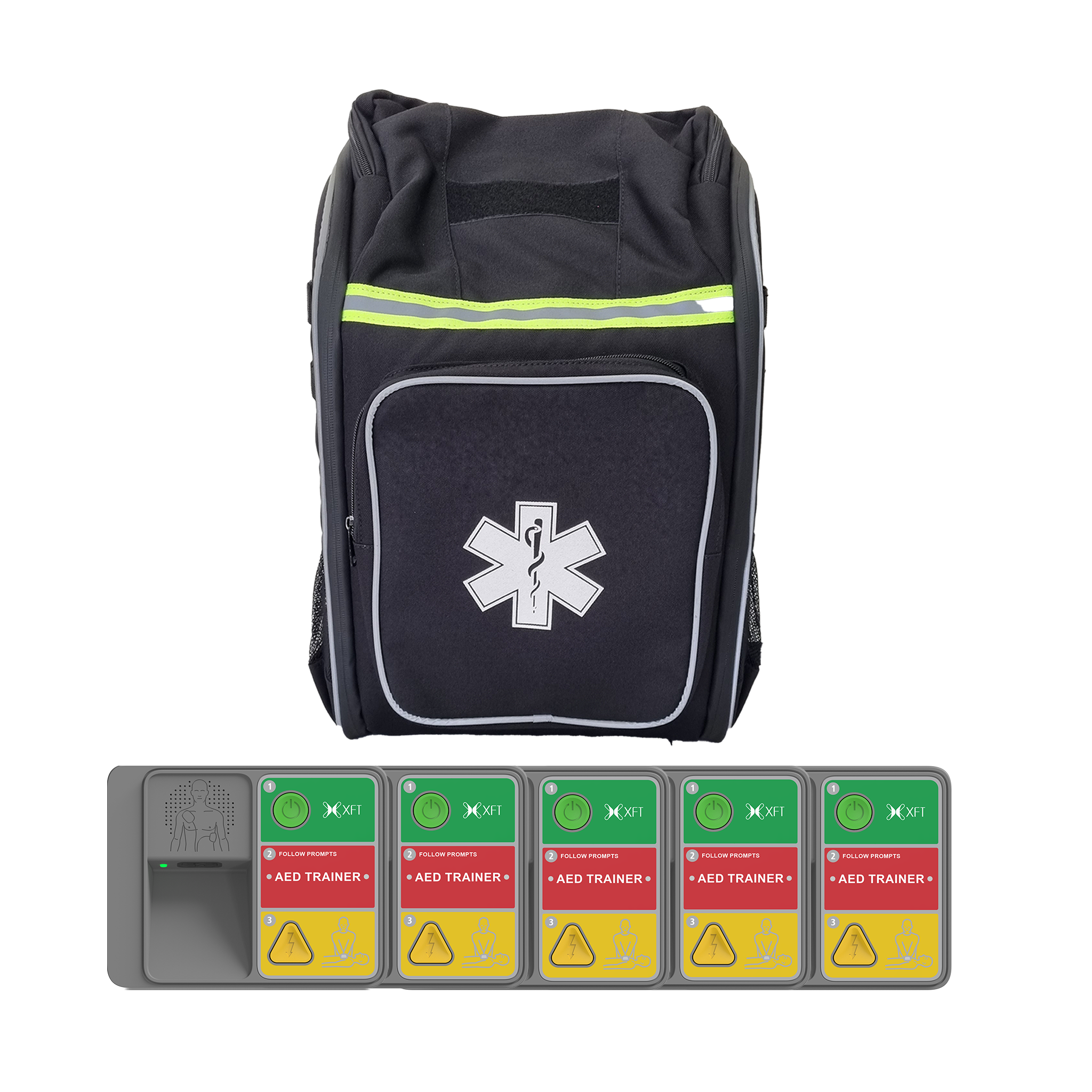
AED trainers are far cheaper than live units. A compact model costs the least, while a brand-matched trainer with a remote costs more. Multi-packs bring the per-unit cost down for training fleets.
Do you need a trainer for CPR and first aid courses?
A trainer is not legally required, but it is the safest and most practical way to teach AED use, since learners can practise the full sequence hands-on without a live device. Most accredited first aid and CPR courses use one.
Which AED trainer should I choose?
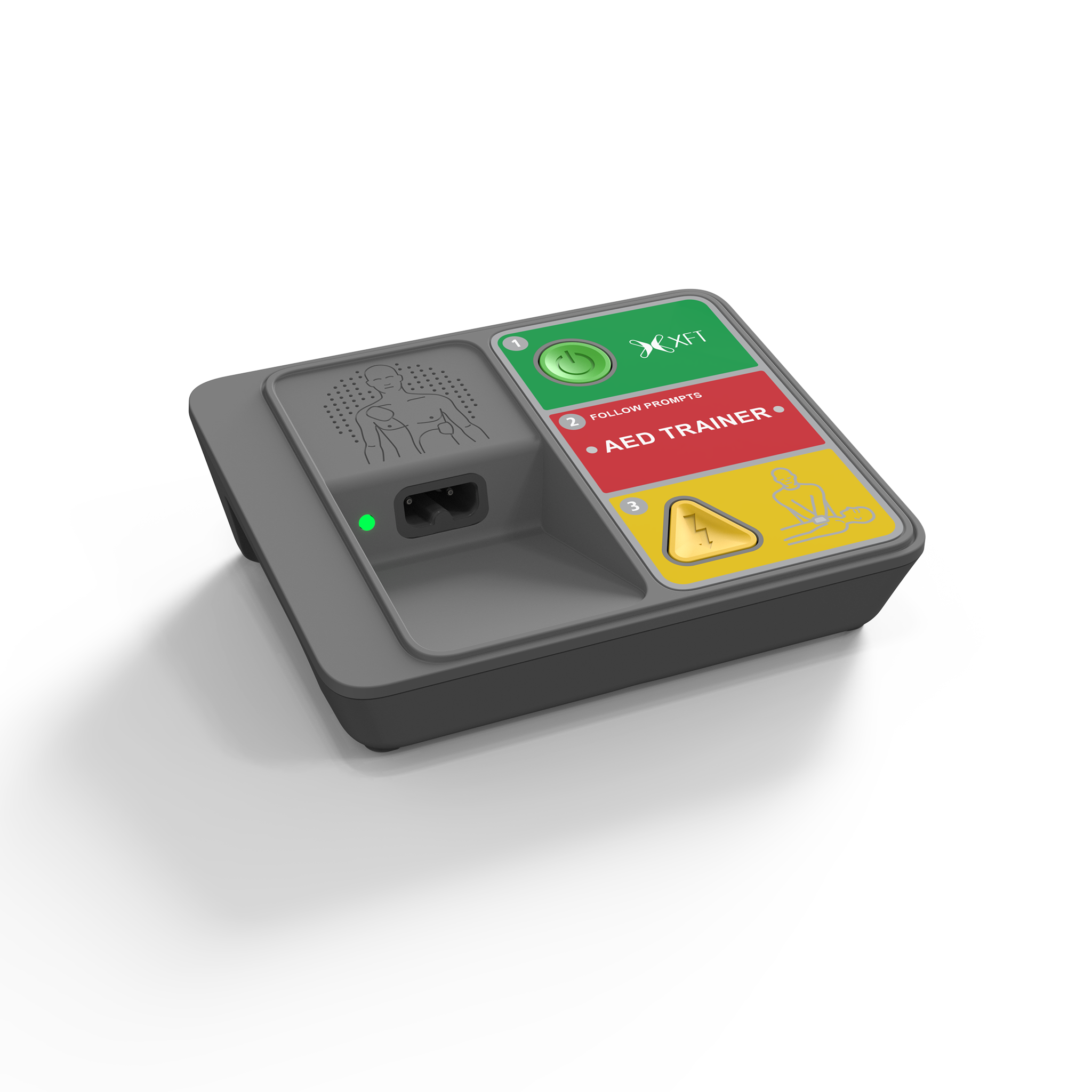
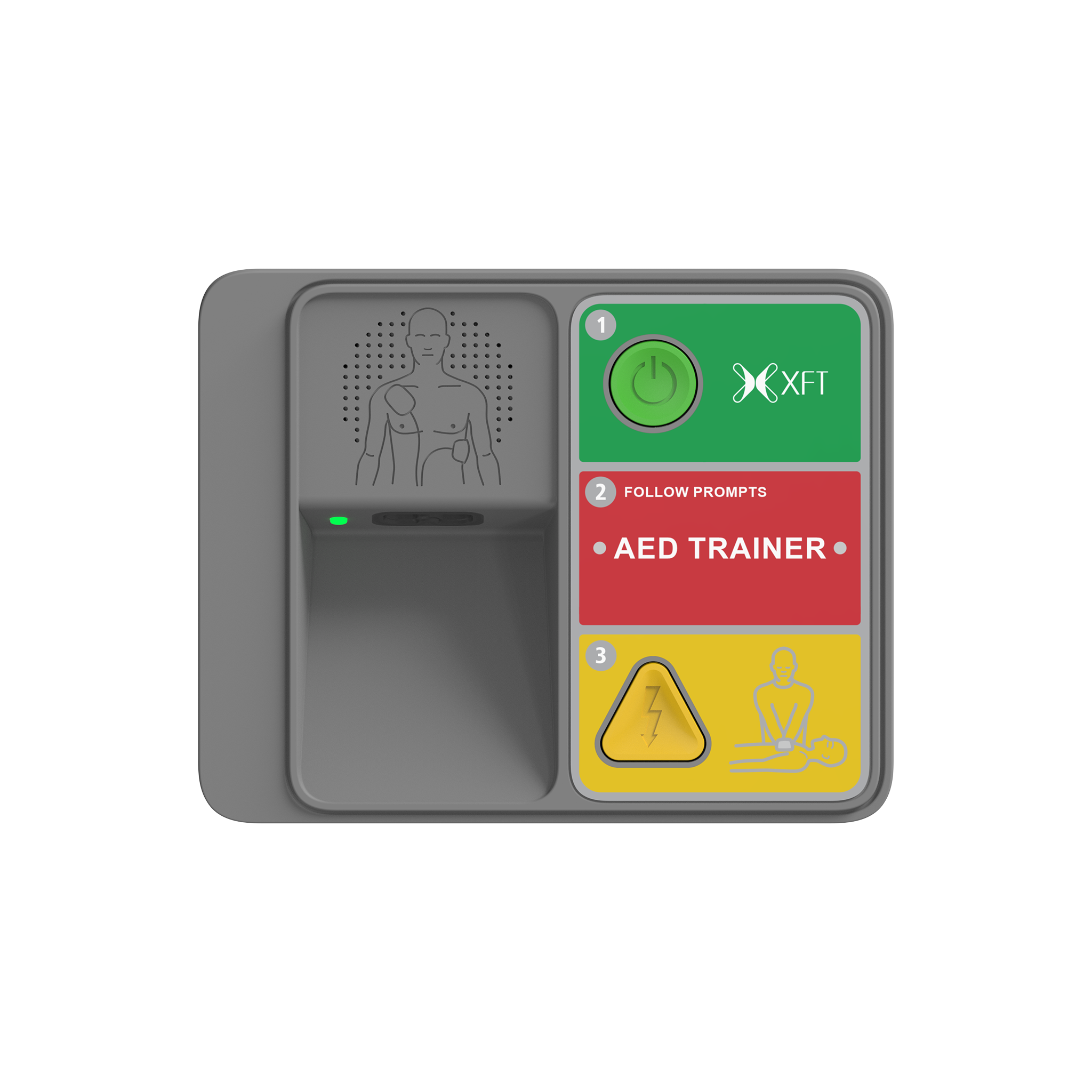
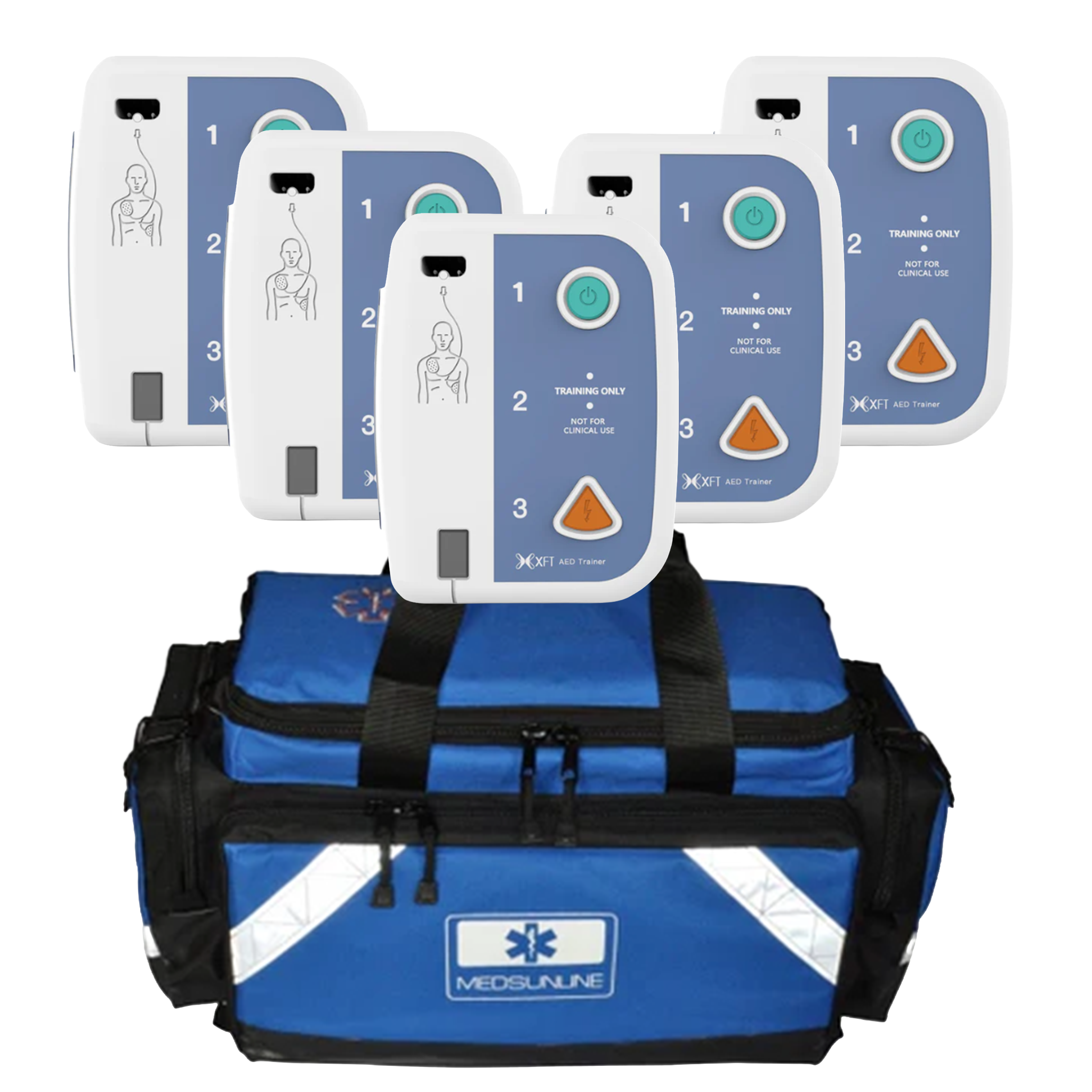
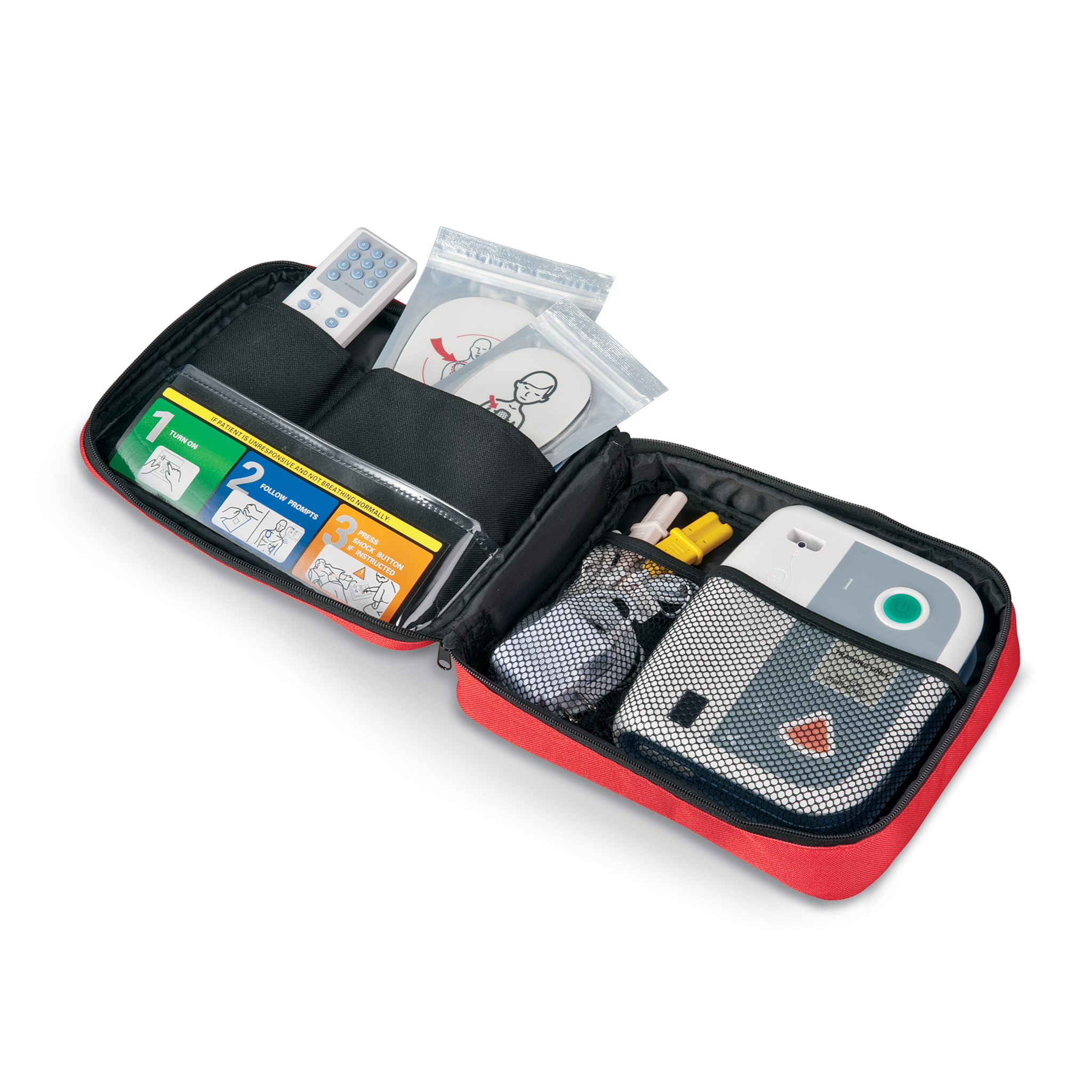
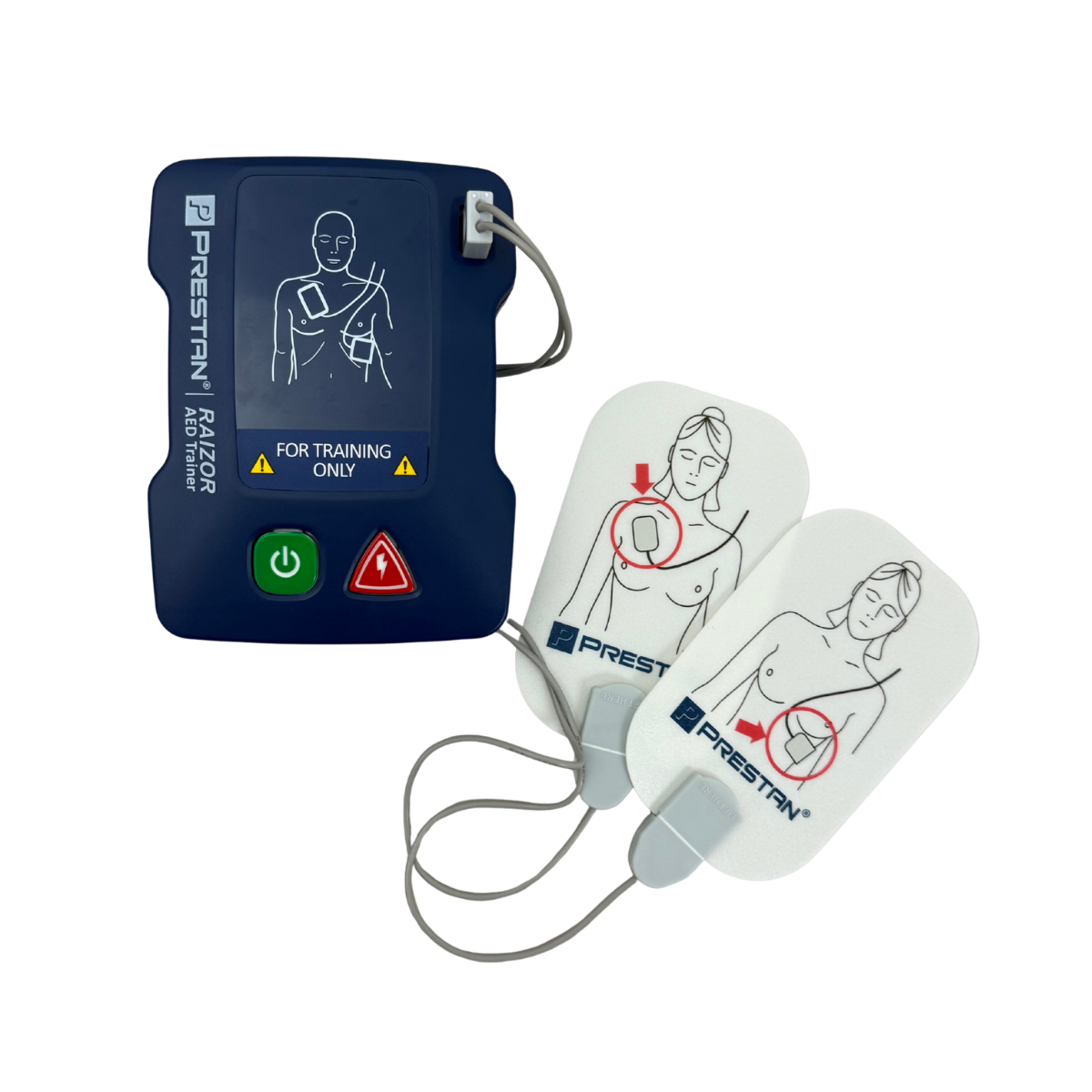
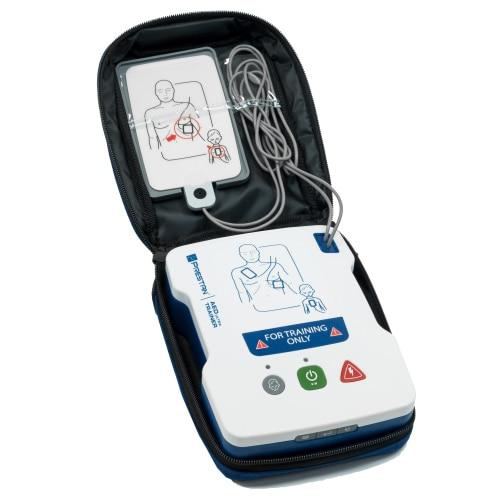
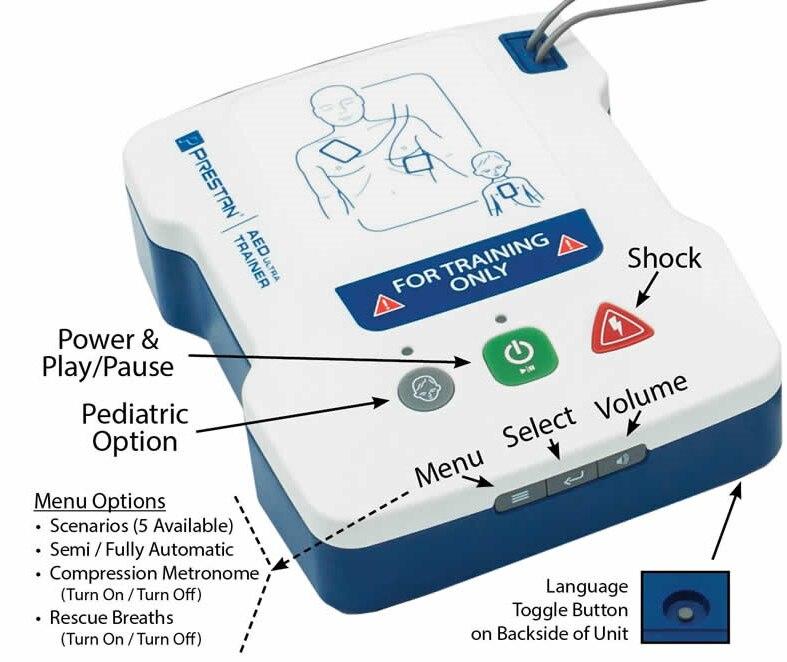
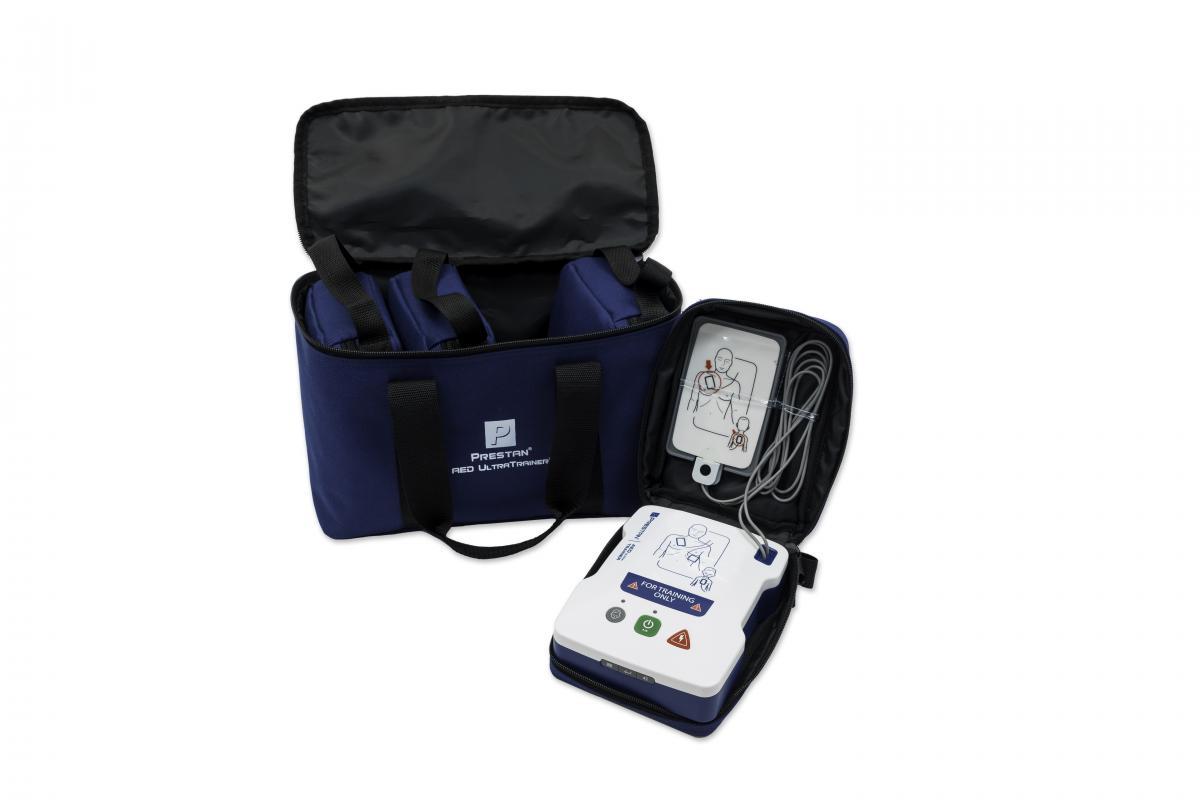
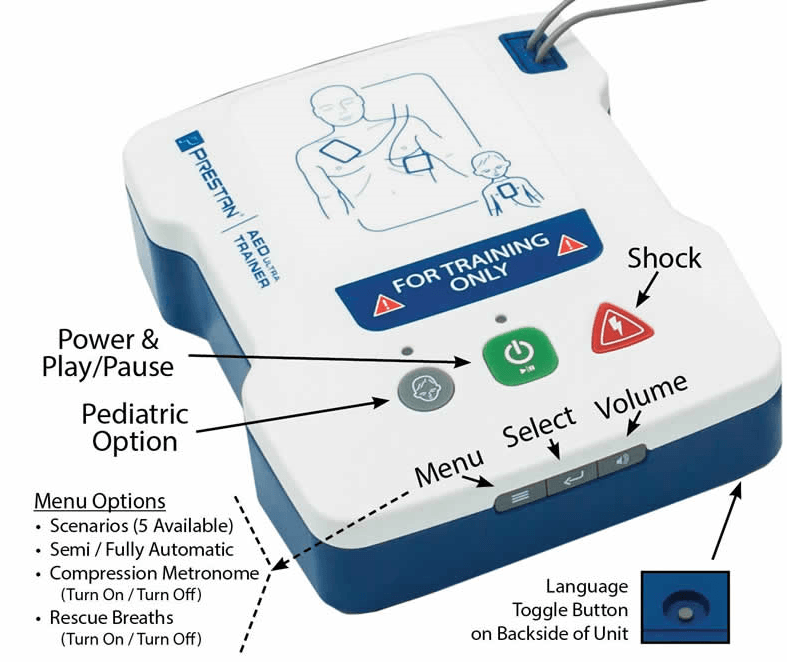
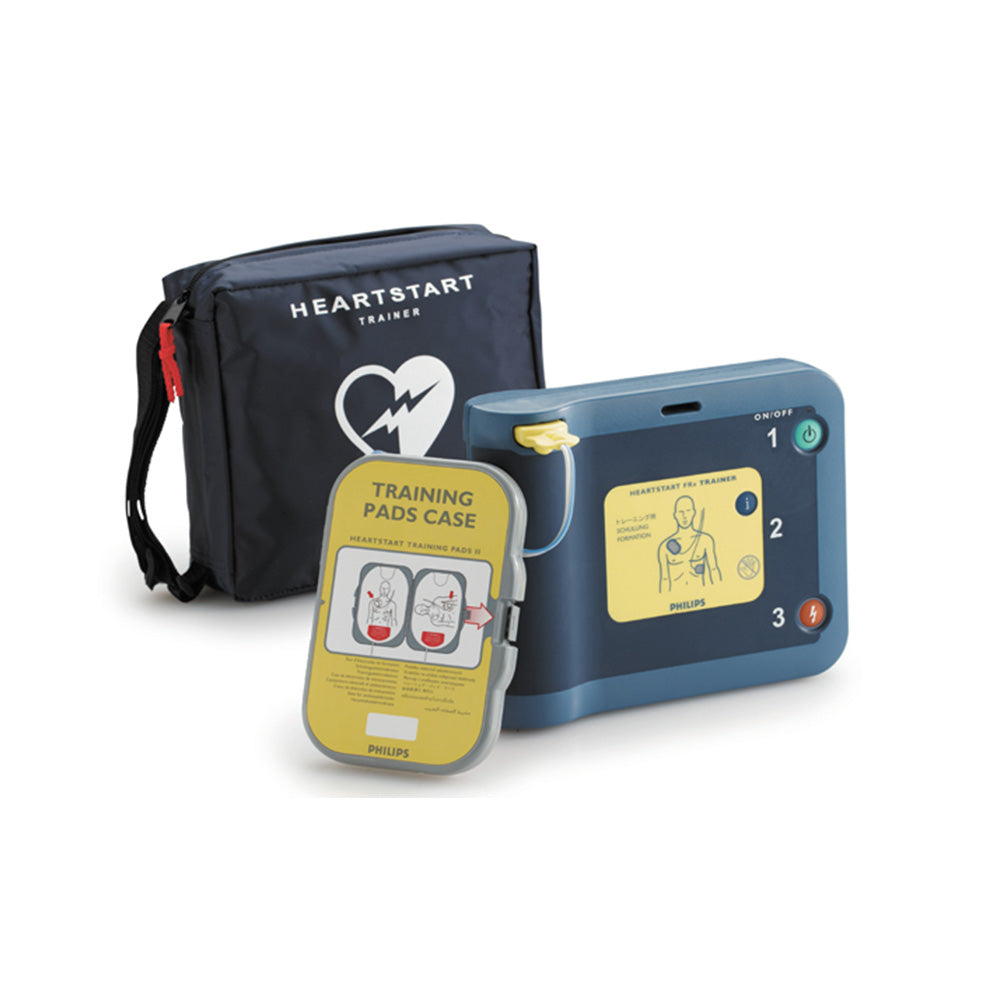
Match it to the AED your learners will use where possible. XFT trainers are compact and budget-friendly, the Prestan UltraTrainer is built for busy classrooms, and Philips, Laerdal and Mediana make trainers that closely mirror their own AEDs. Consider remote scenarios, pad replacement and power options.
Can you replace the pads on an AED trainer?
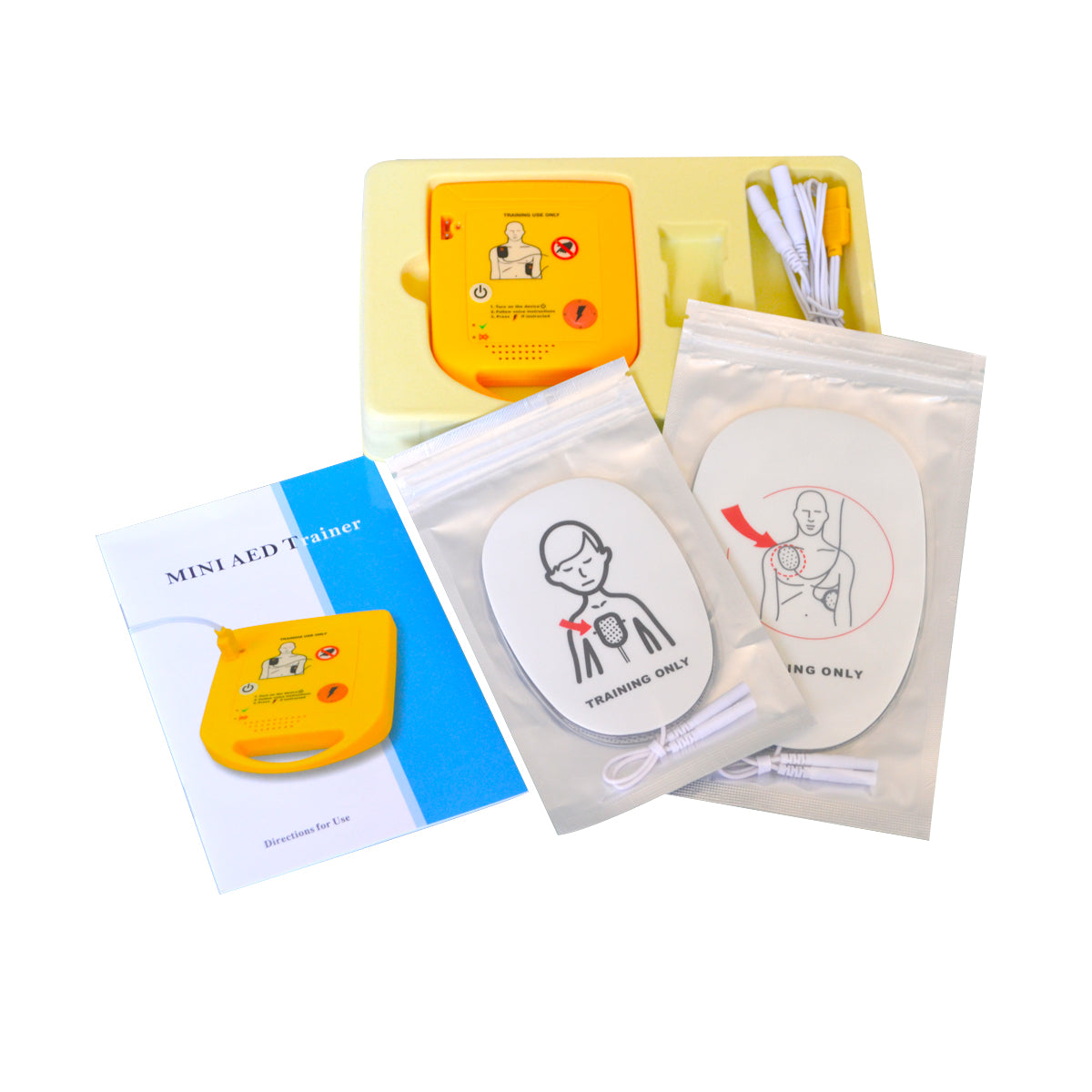
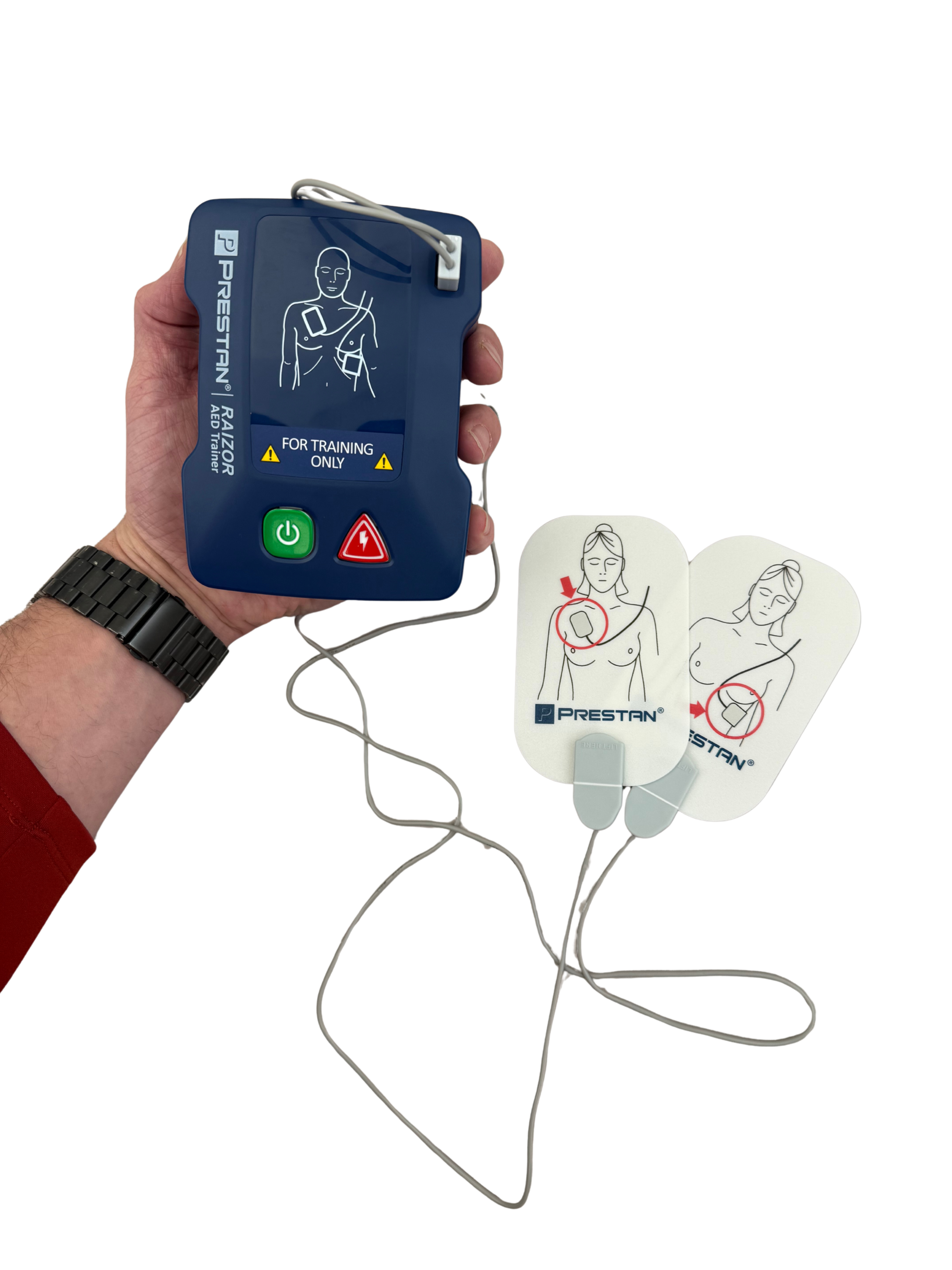
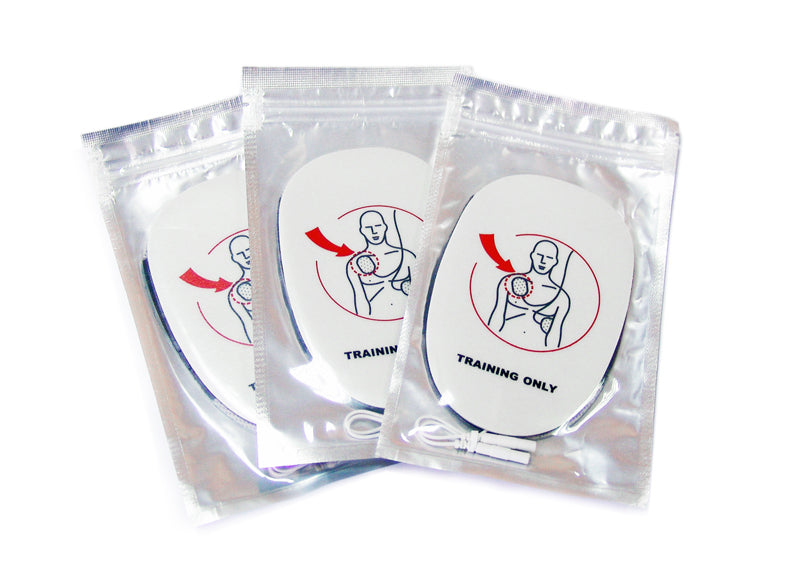
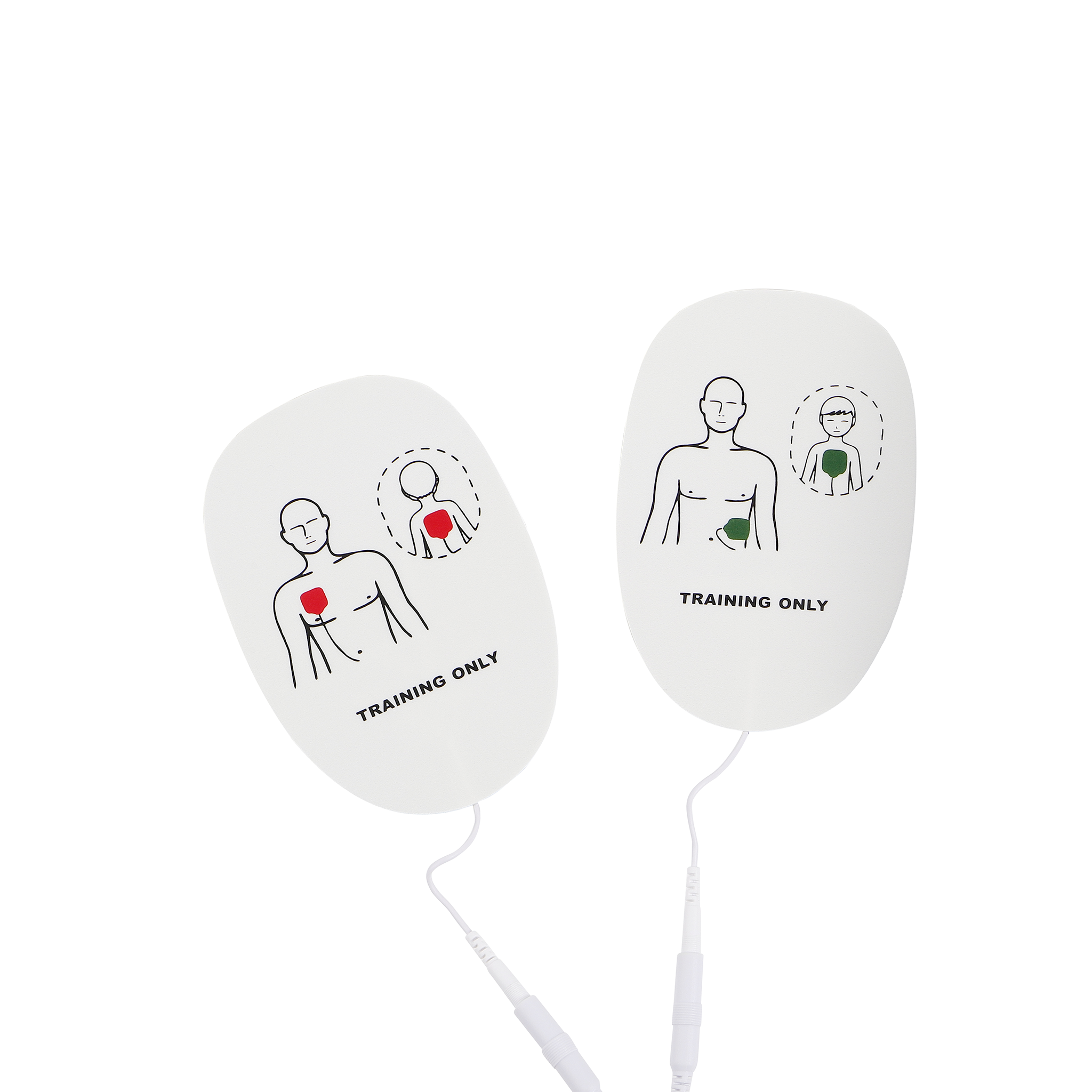
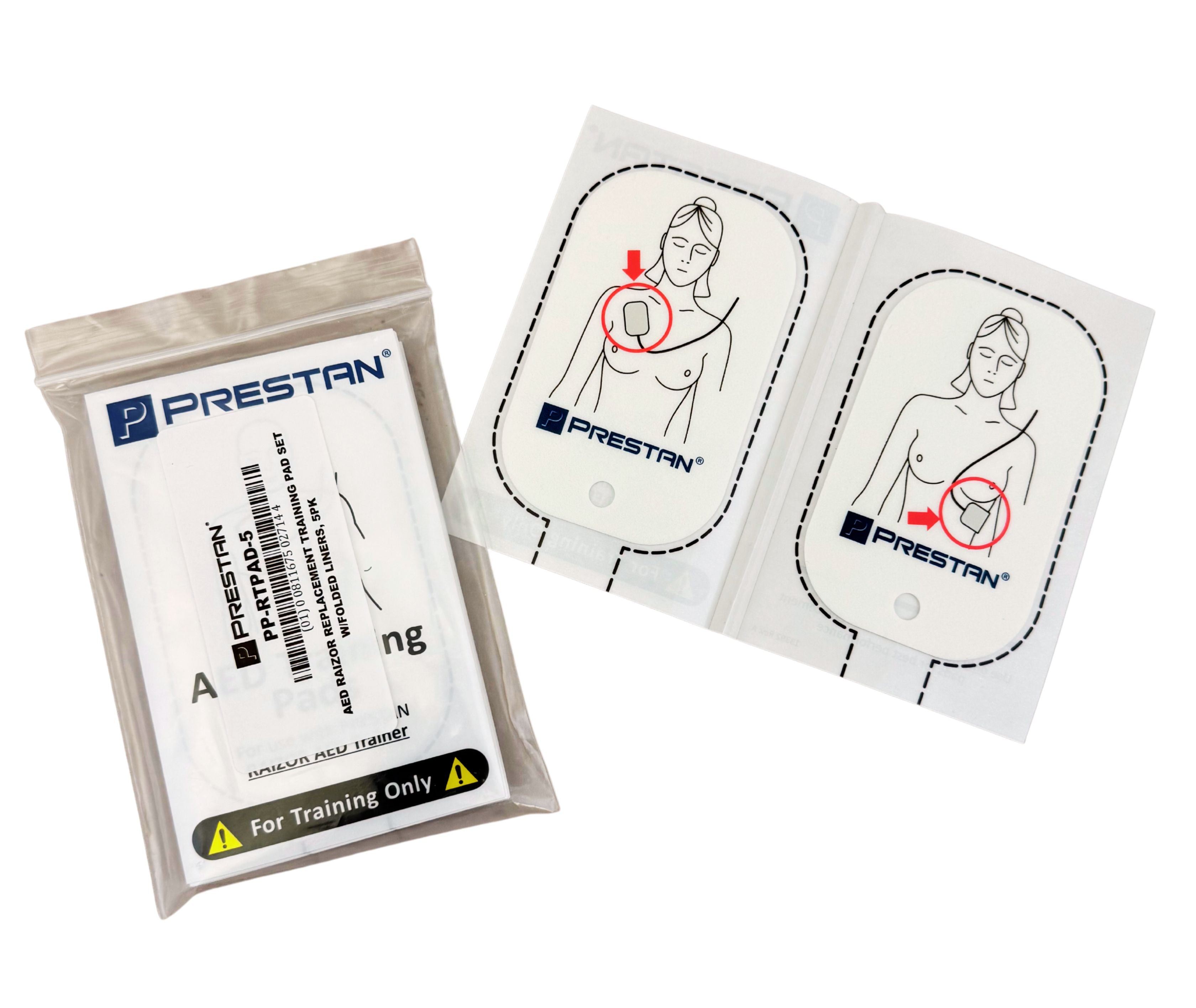
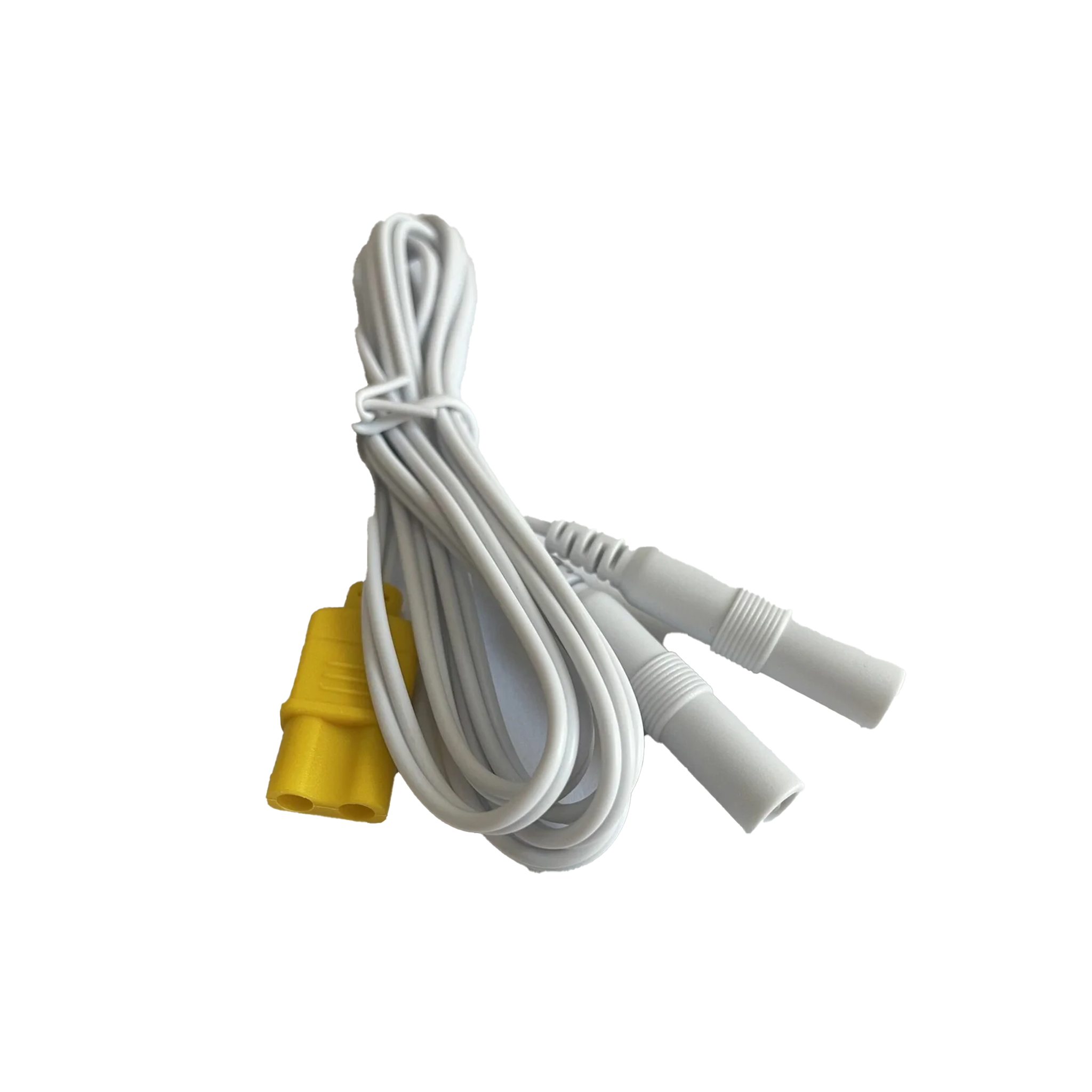
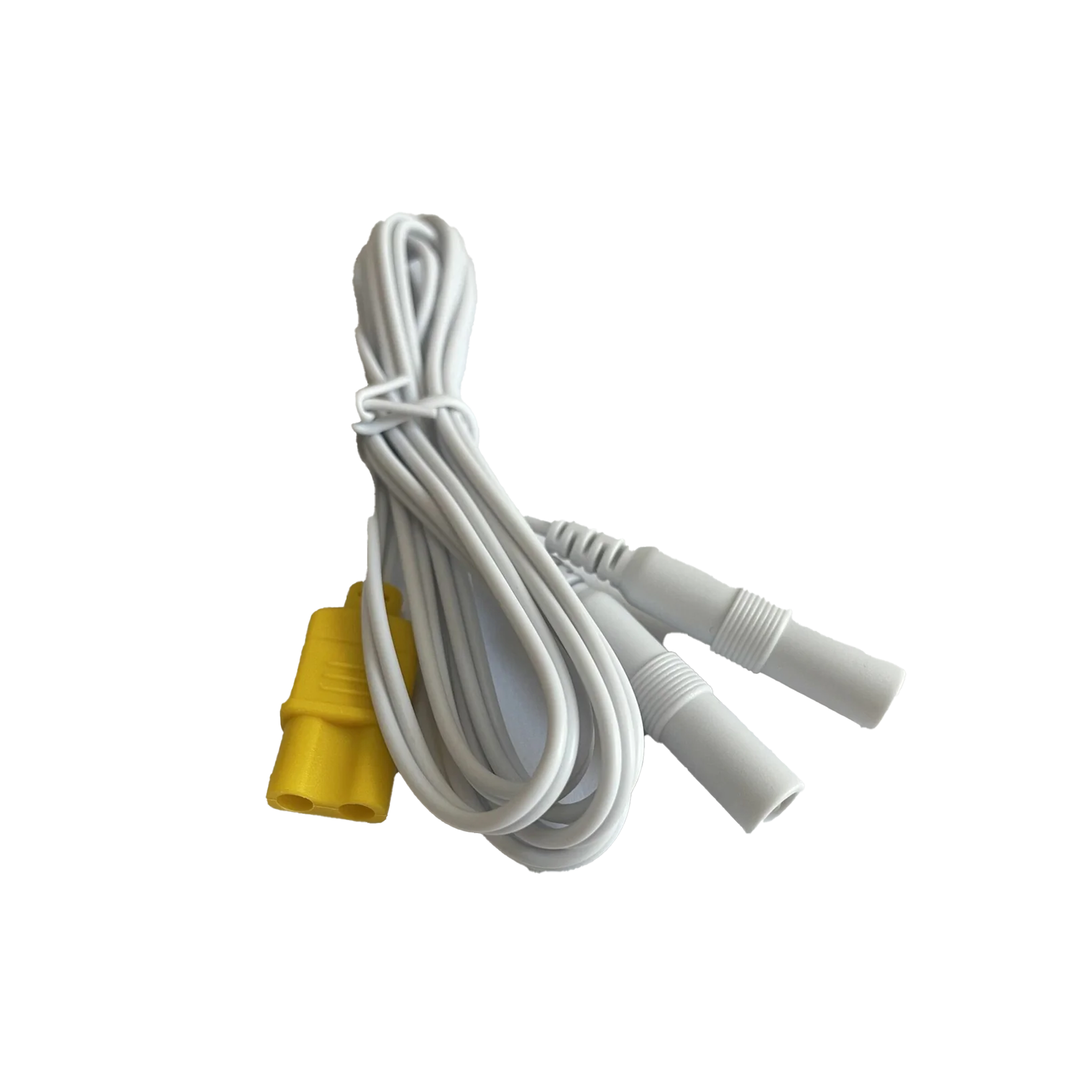
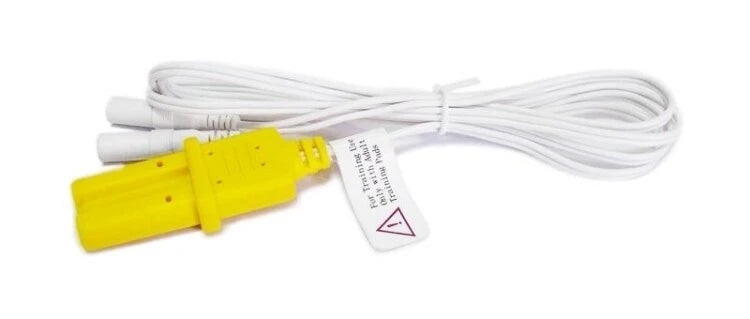
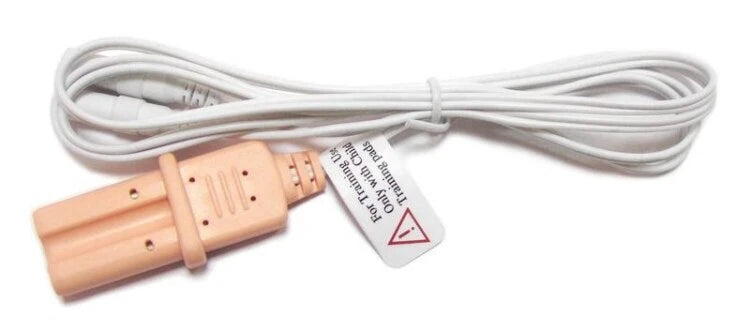
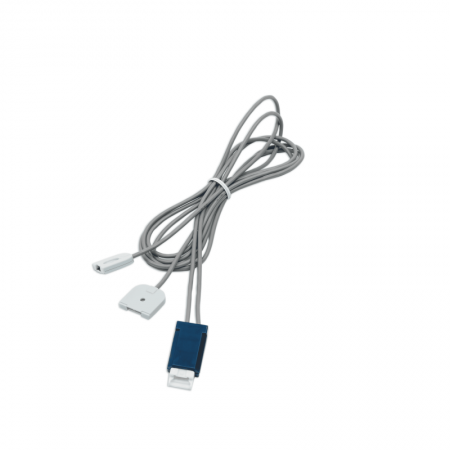
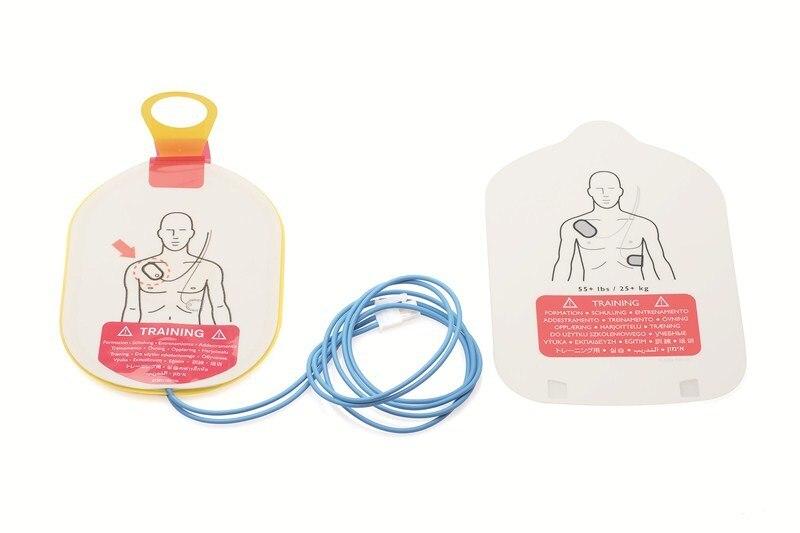
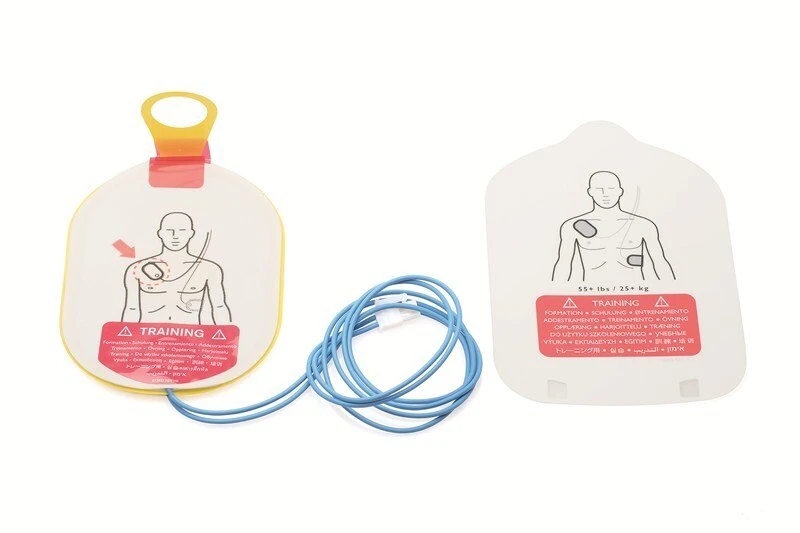
Yes. Training pads wear out with repeated use and are replaceable, so keep spare adult and child pad sets on hand. Using fresh pads keeps the electrode placement realistic for learners.
Do AED trainers use real pads or batteries?
Trainers use reusable training pads, not the gel electrodes of a live AED, and most run on standard batteries or a mains power supply for heavy classroom use.