Receive the latest news, advice, innovations, recommendations and exclusive offers direct to your inbox
We are pleased to announce that our Training Division has been sold to Vital Skills Training. For all training enquiries, bookings, and ongoing support, please contact Vital Skills Training directly 1300 753 634. LivCor will continue to operate as normal under the same management, supplying our full range of first aid training equipment and products.
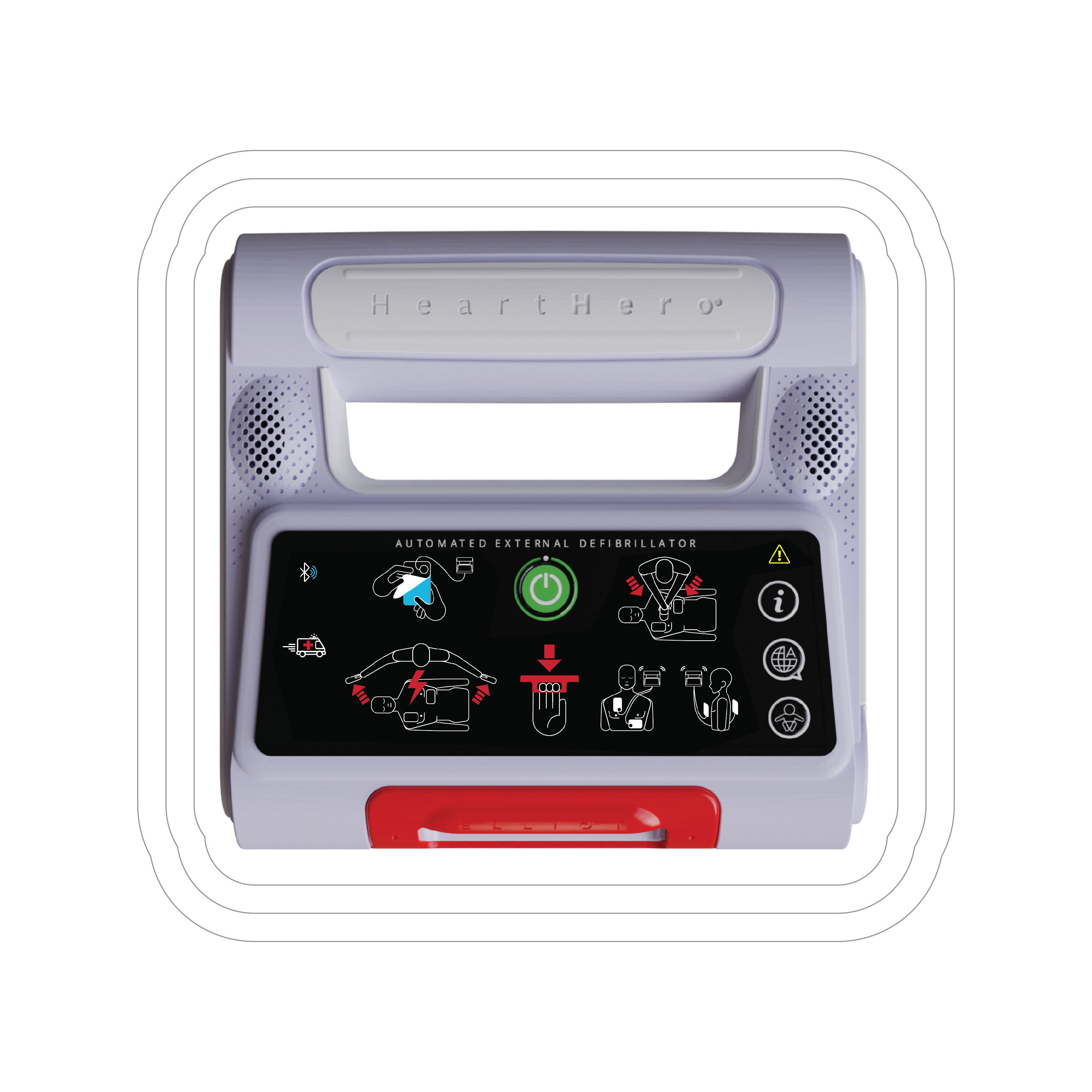
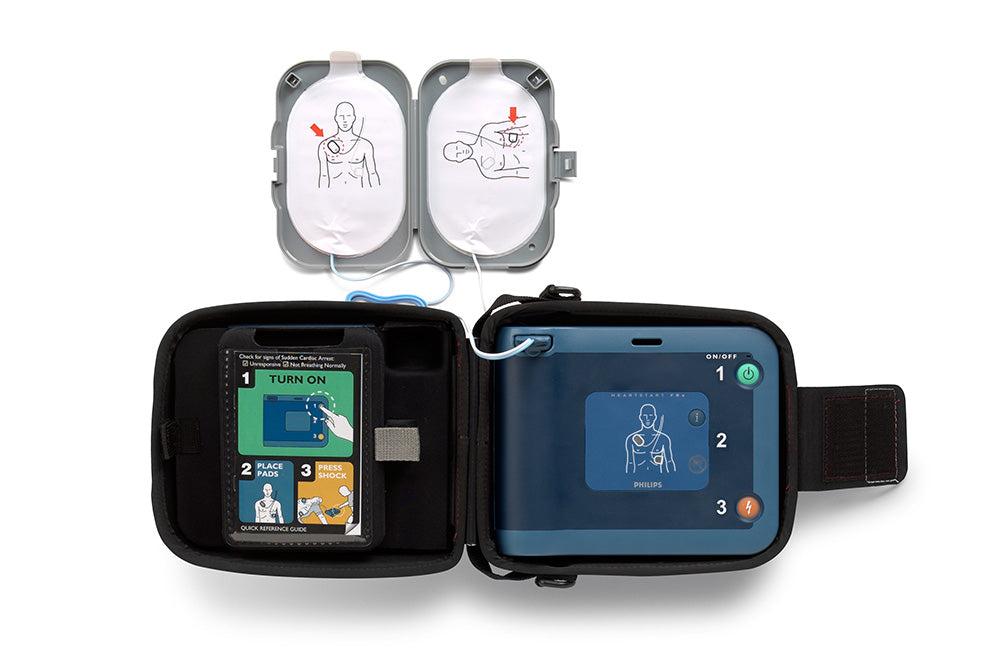
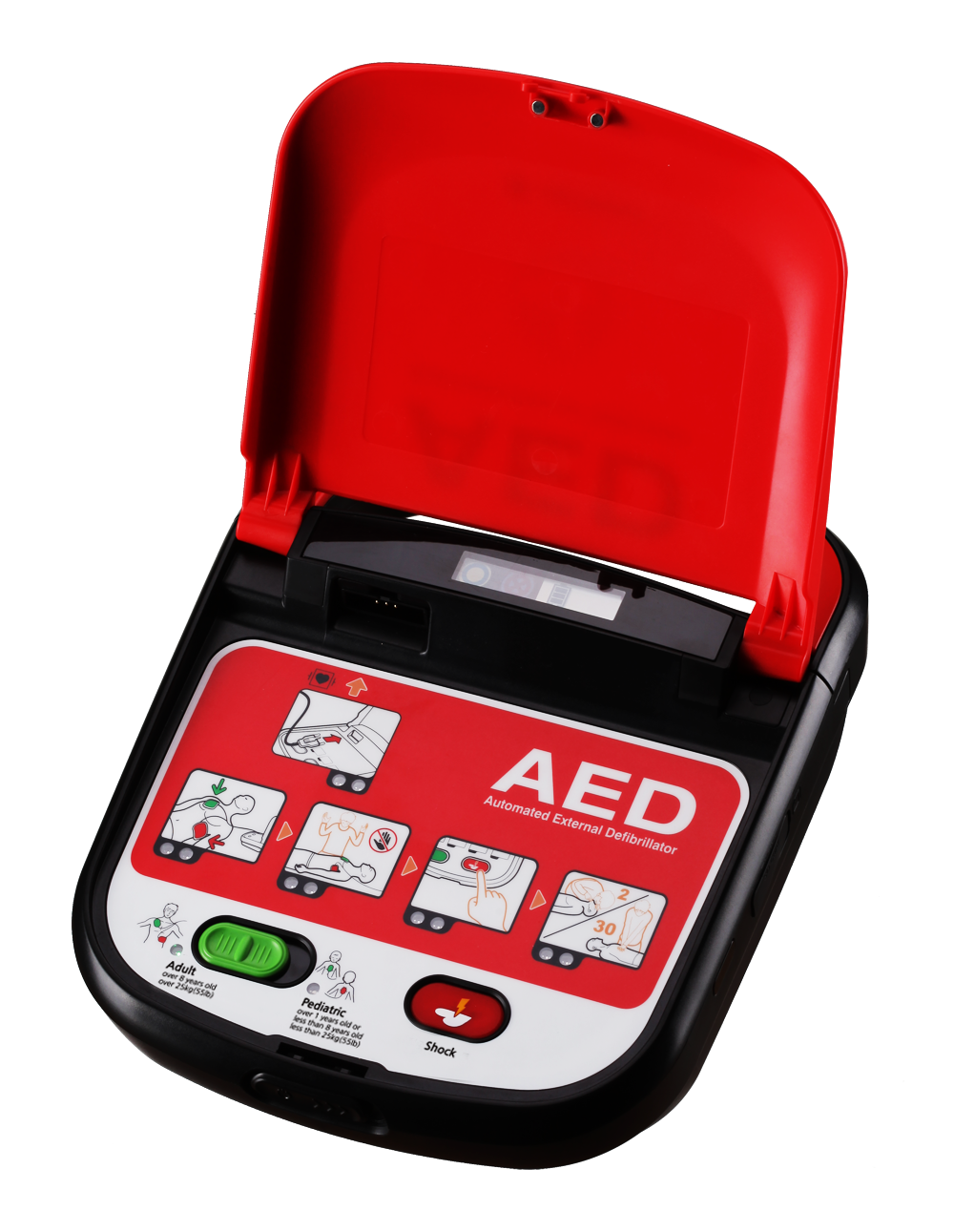
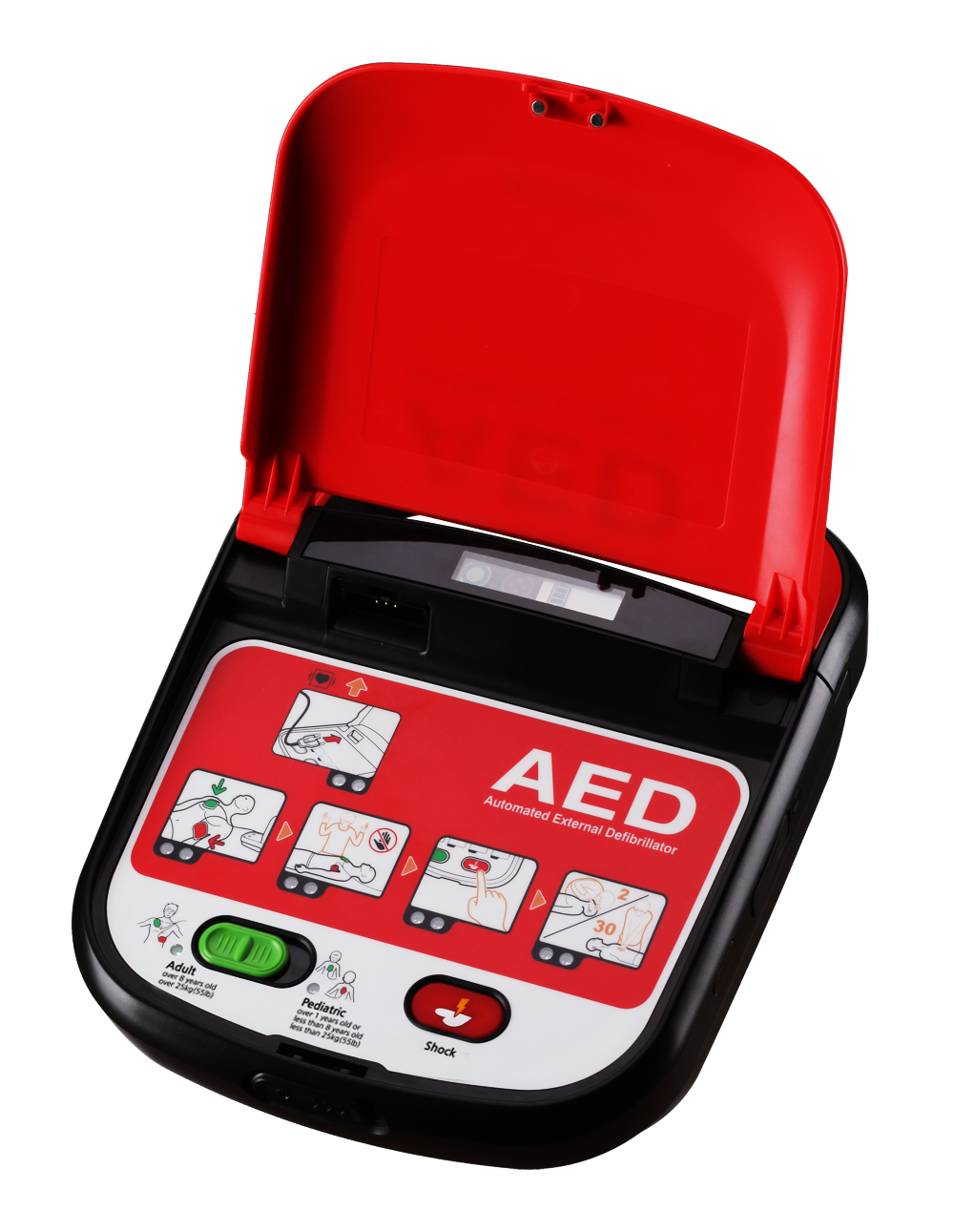
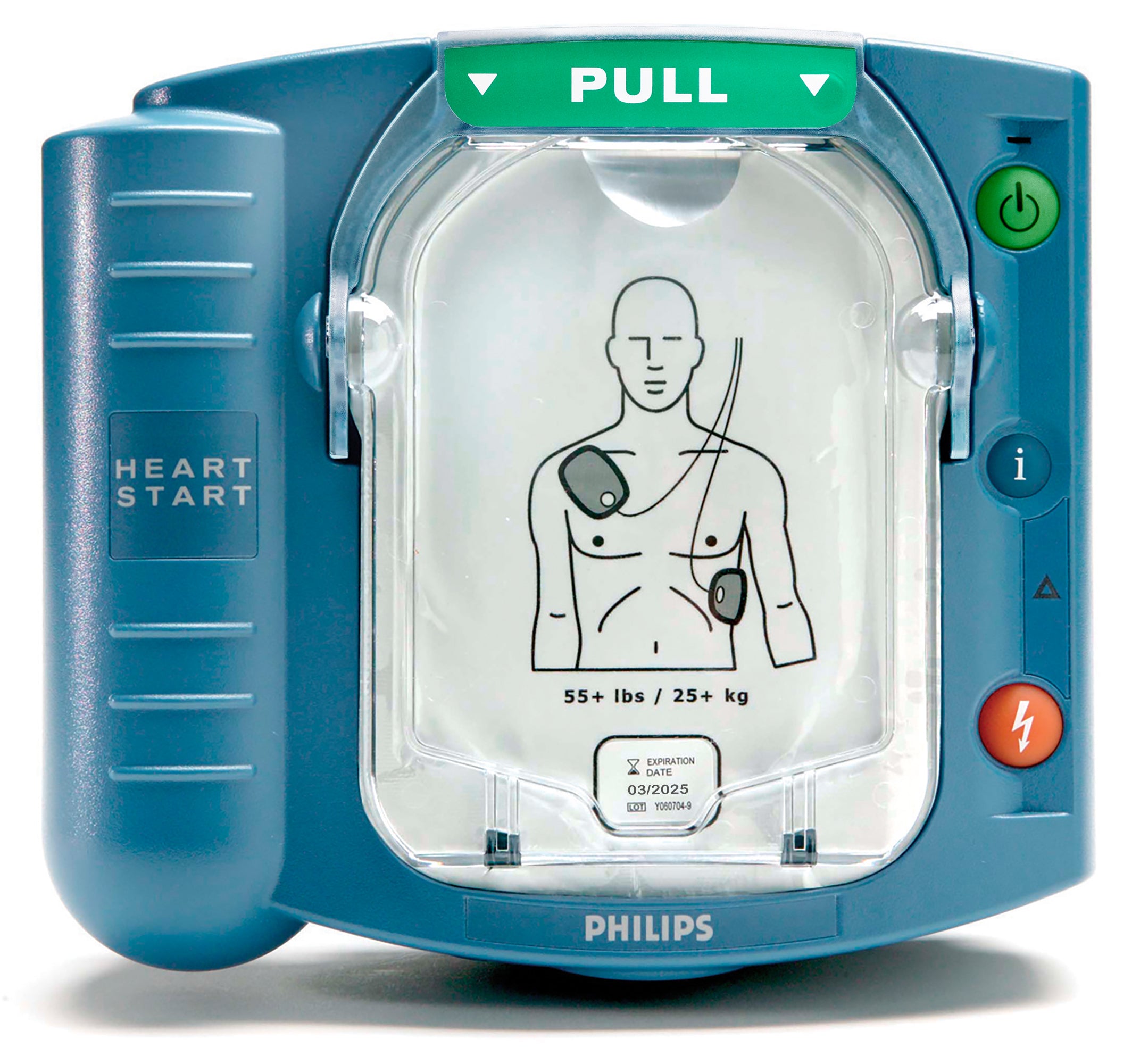
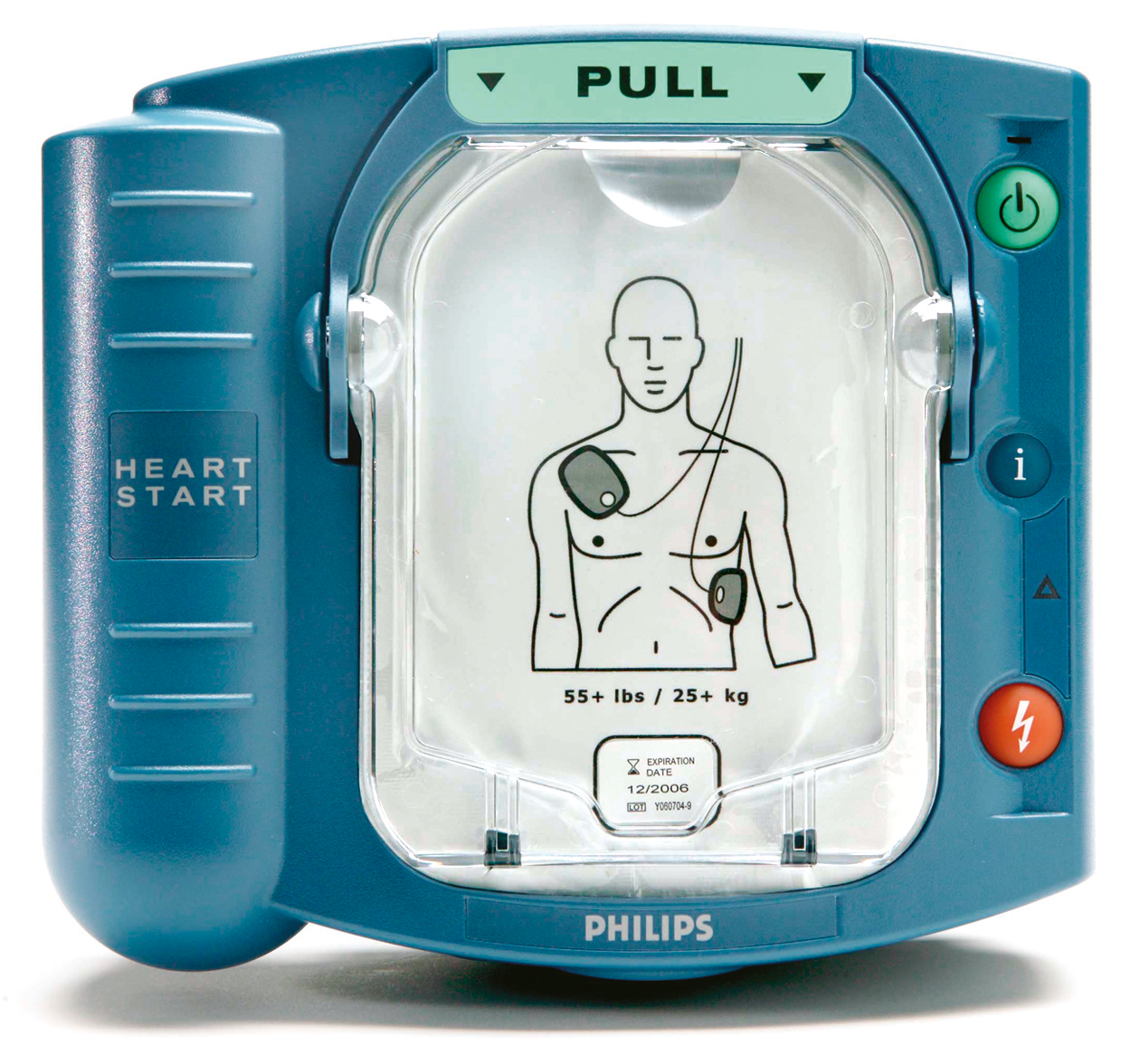
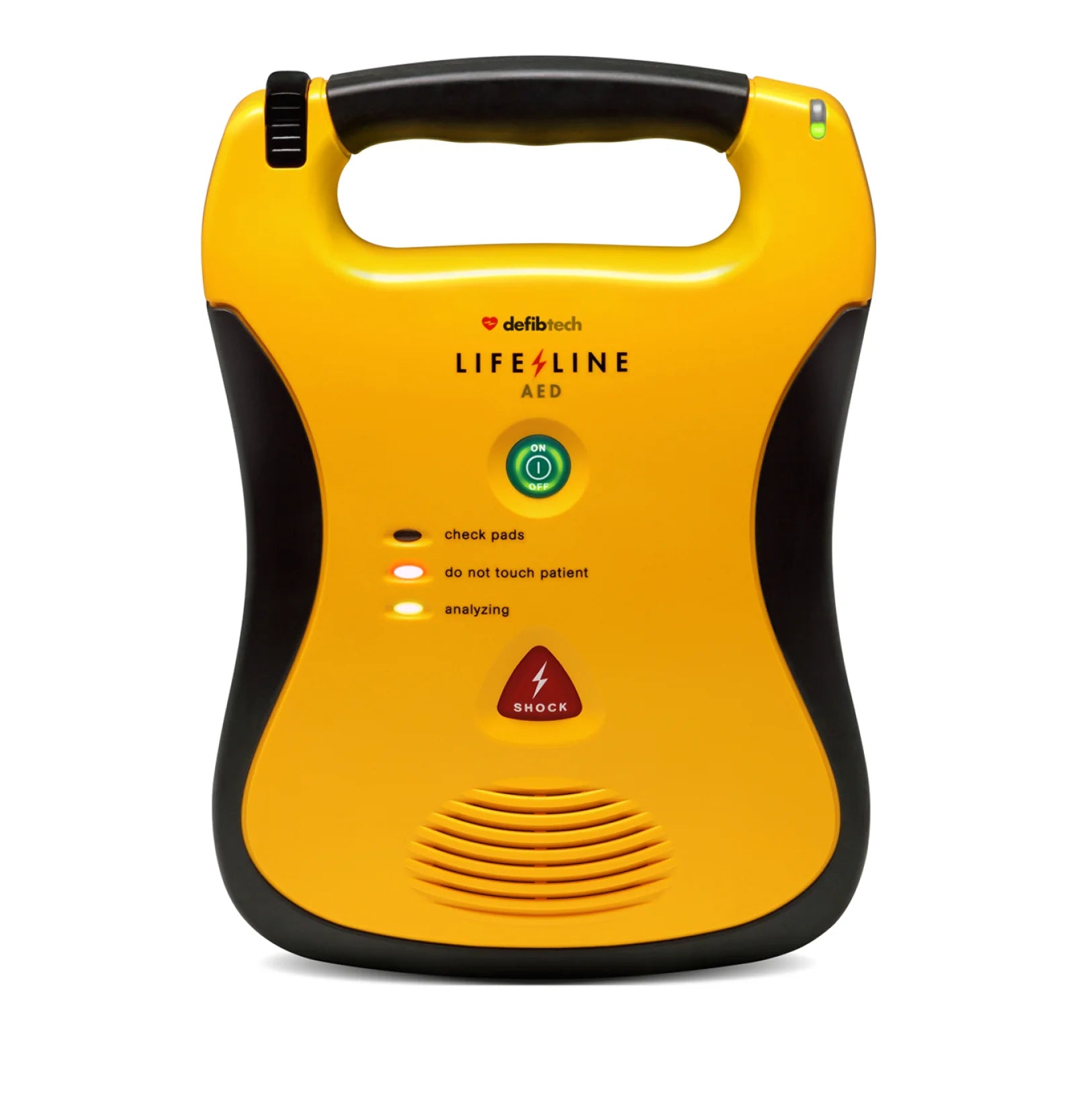
An automated external defibrillator (AED), often just called a defibrillator or defib, is a portable device that reads the heart's rhythm during sudden cardiac arrest and, only when one is needed, delivers a shock to help restore a normal beat. Modern AEDs are built for anyone to use, guiding the rescuer with clear voice and visual prompts, so no clinical training is needed to follow them.
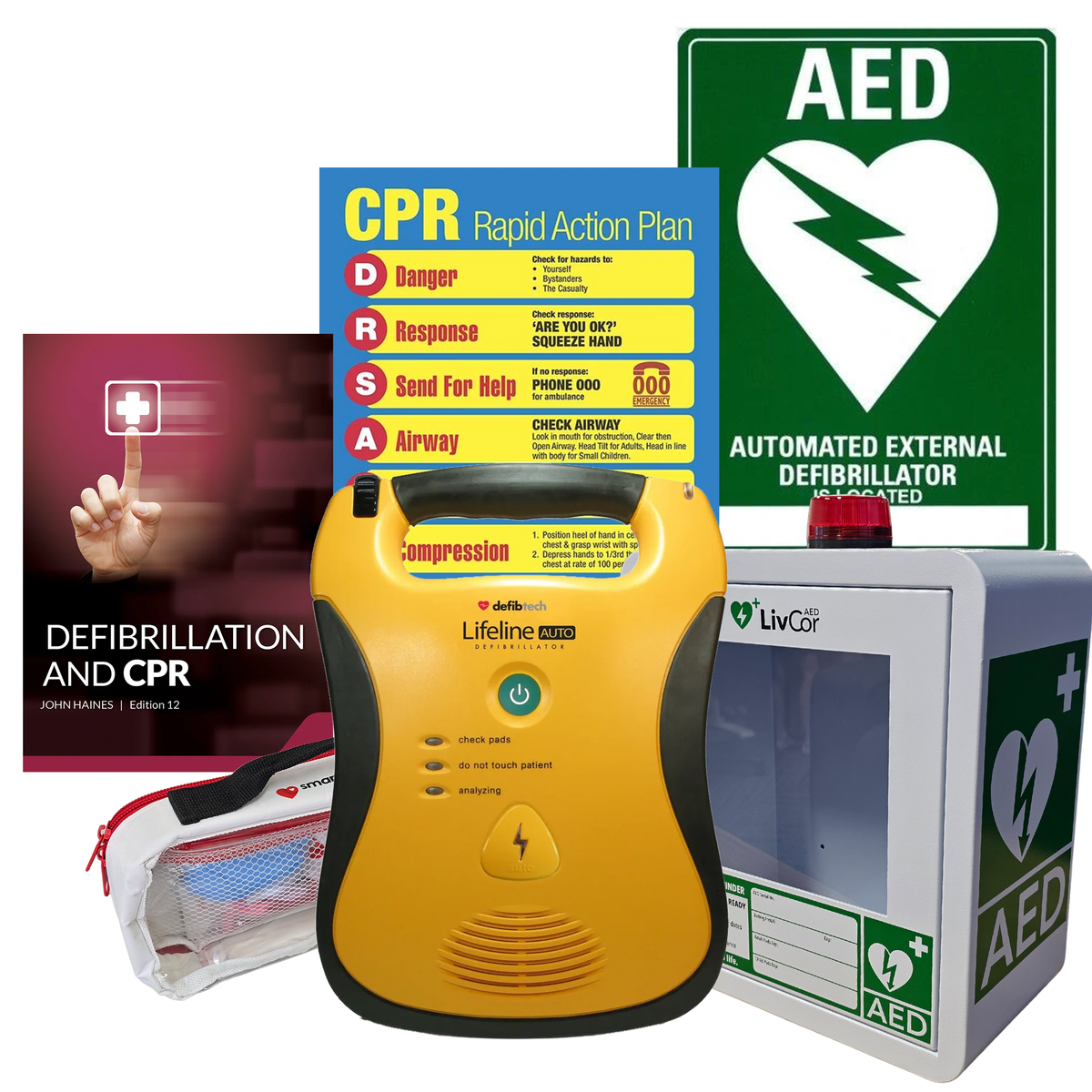
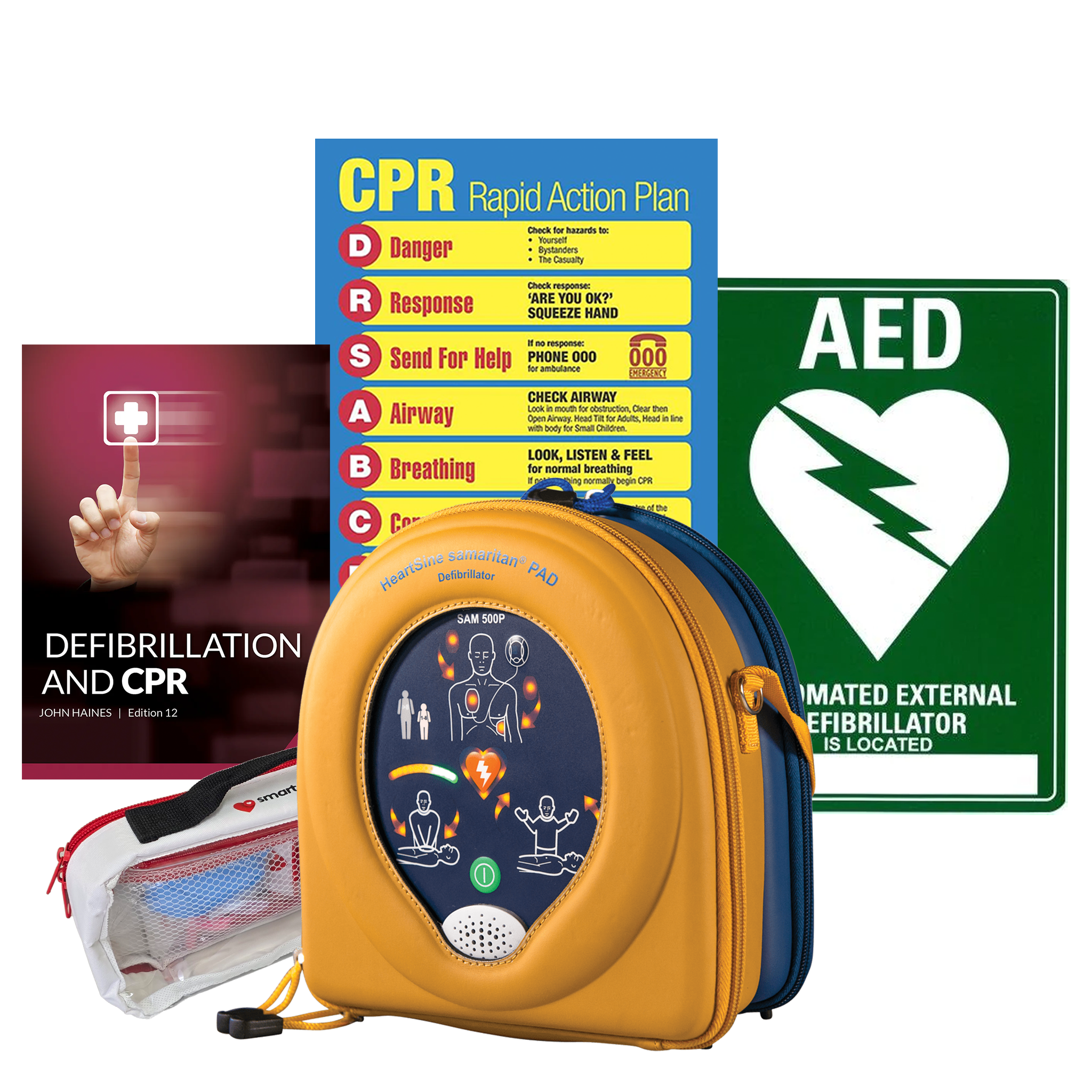
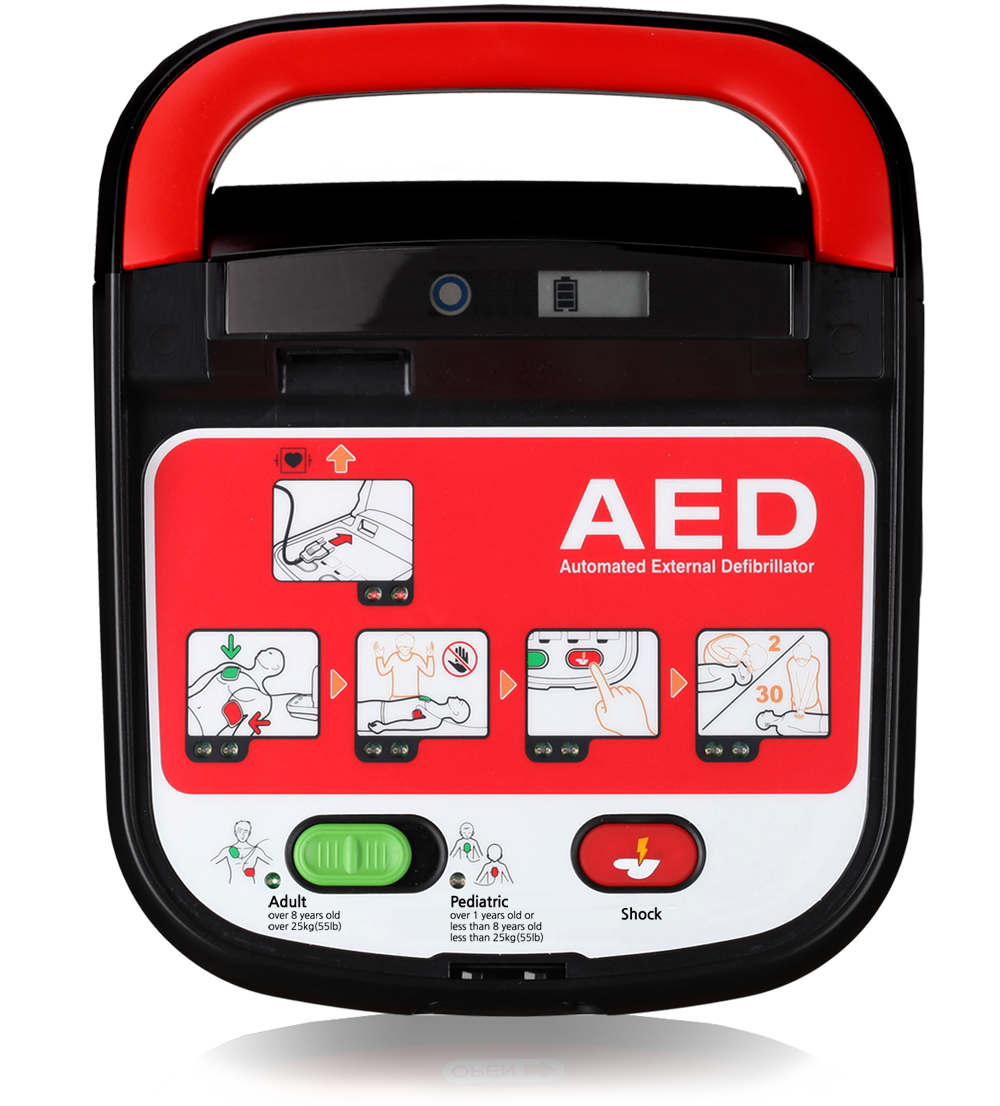
Choosing an AED comes down to where it will be used and who will use it. Semi-automatic models prompt the rescuer to press a shock button, while fully automatic models deliver the shock themselves once the pads are attached and everyone is clear. If children may be involved, look for a unit with a paediatric mode or child pads. For workplaces, schools and public spaces, a wall cabinet keeps the AED visible, protected and quick to reach; for vehicles or mobile teams, a compact unit and carry case make more sense.
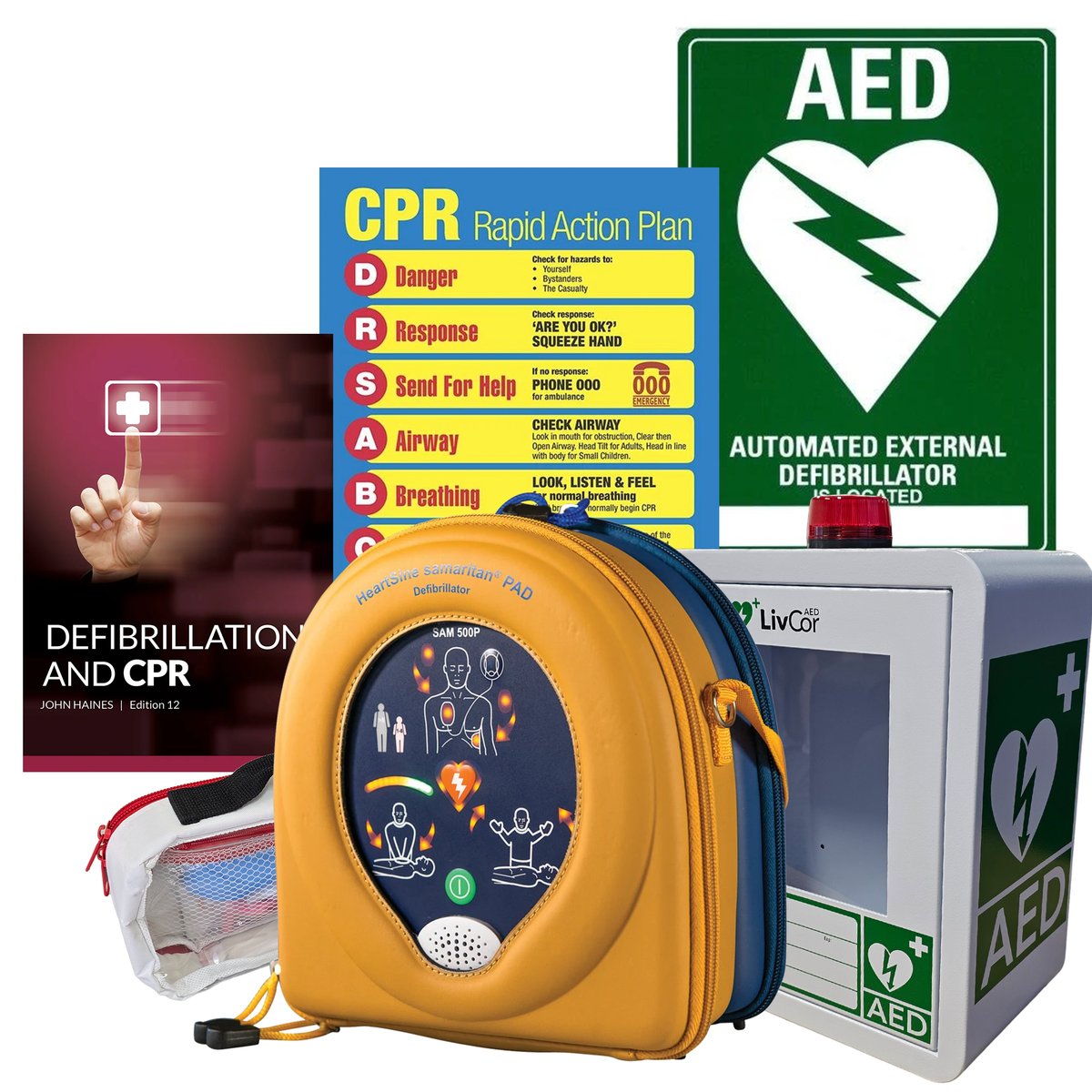
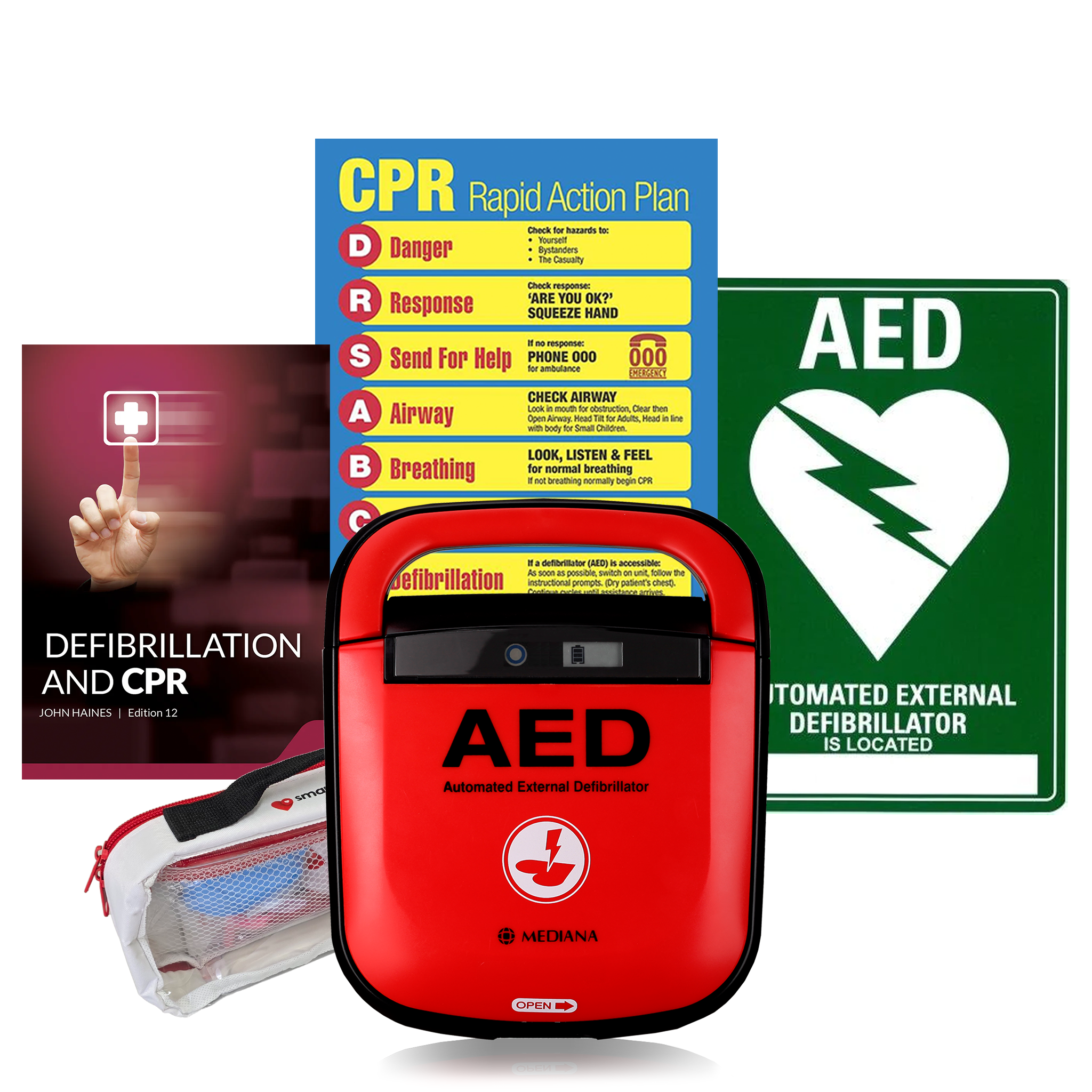
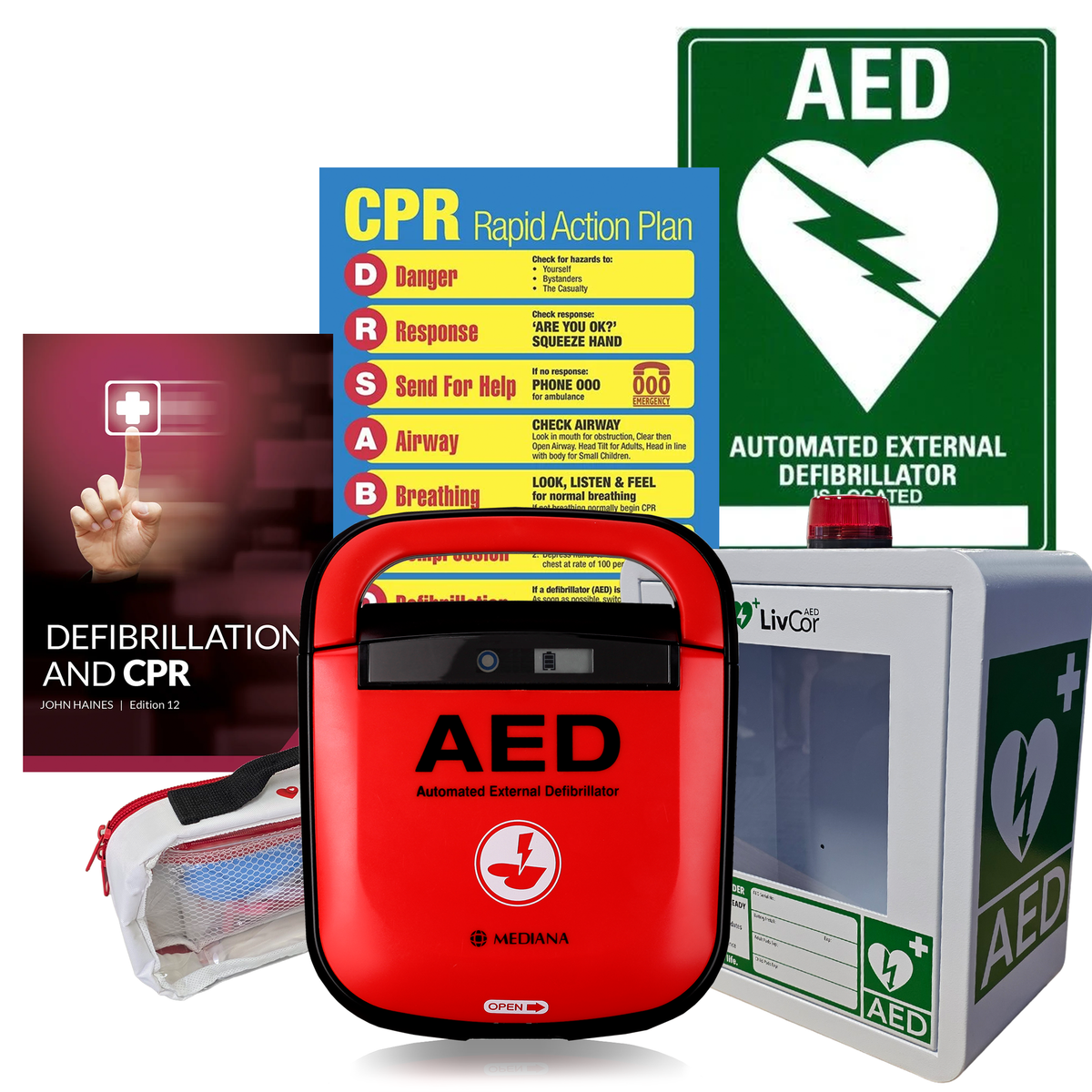
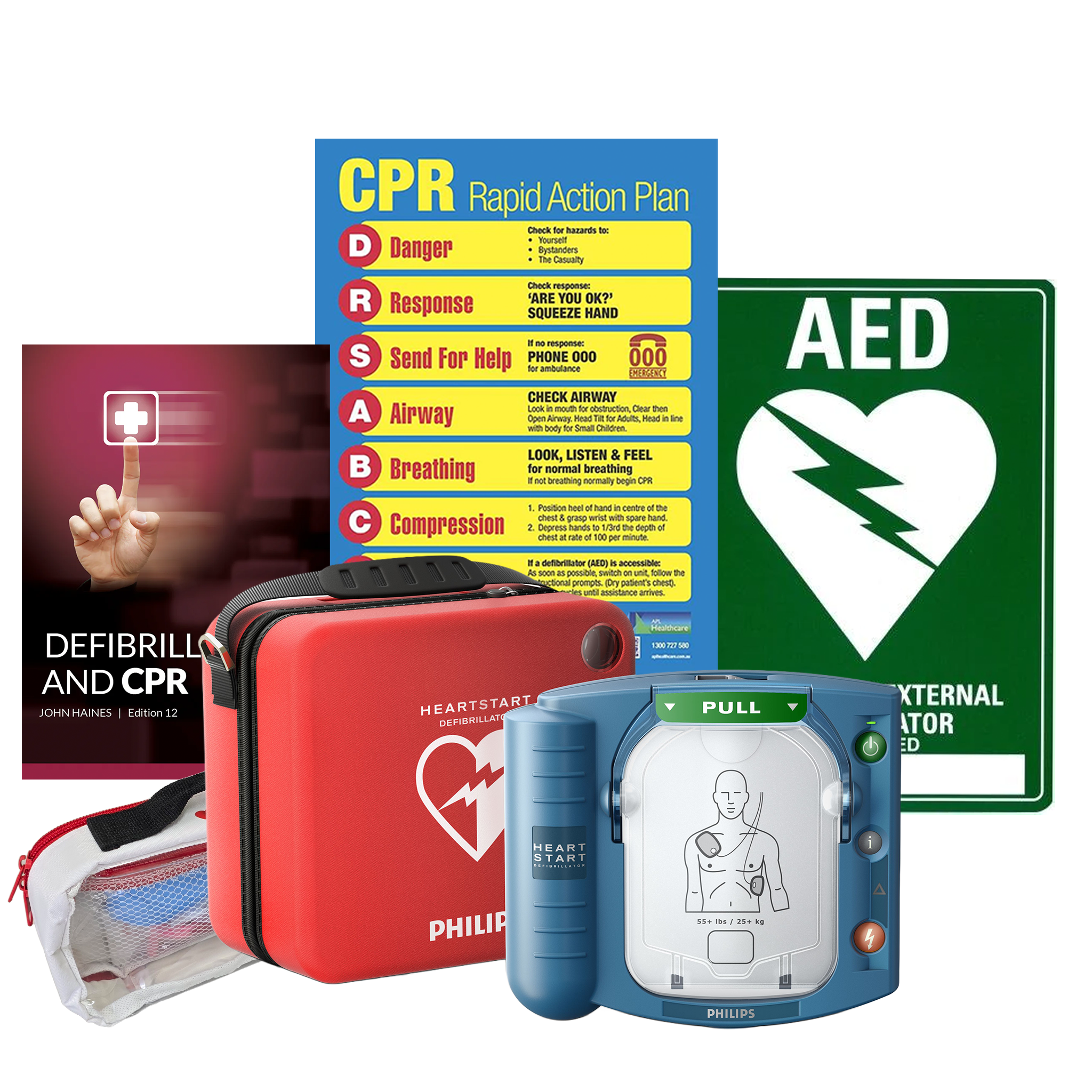
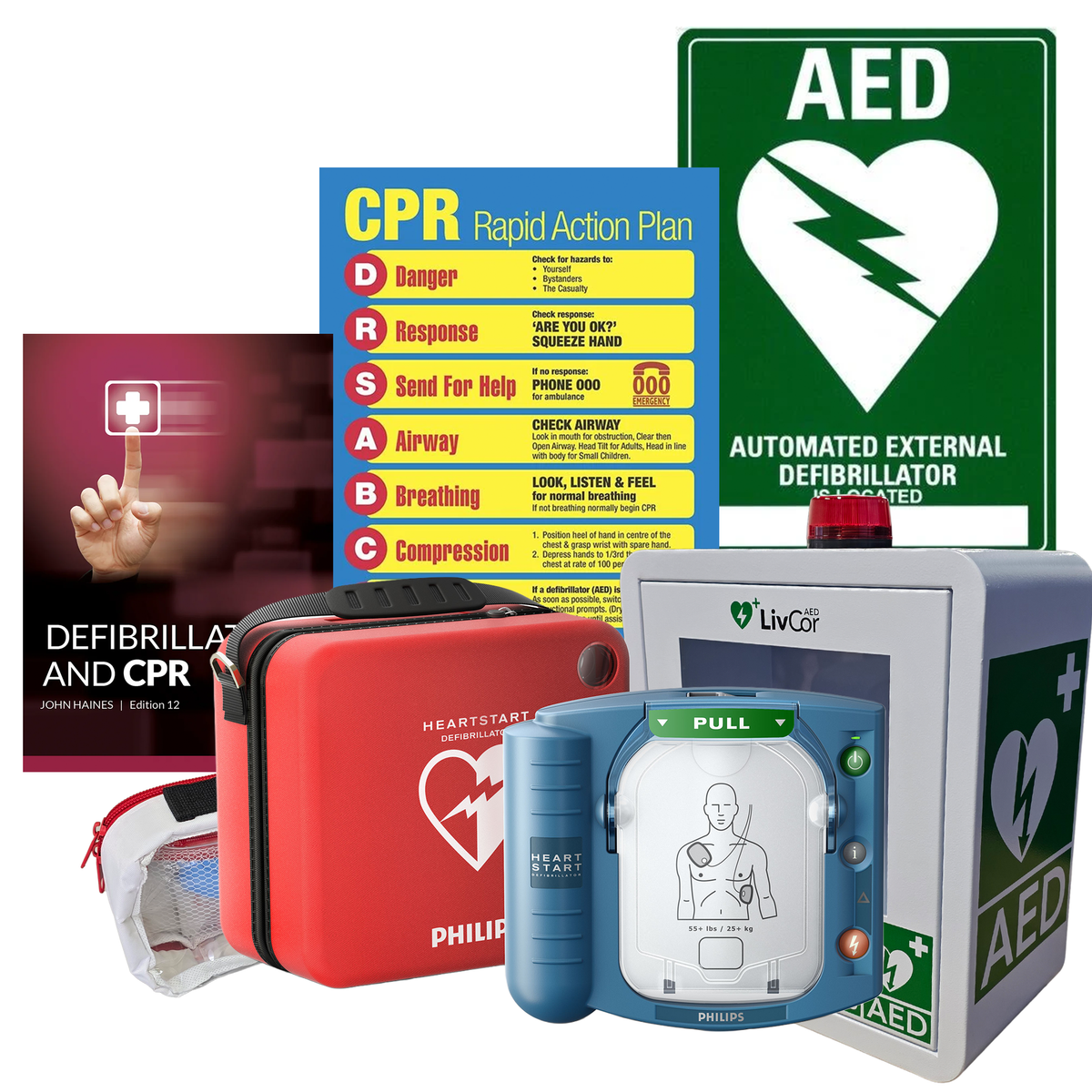
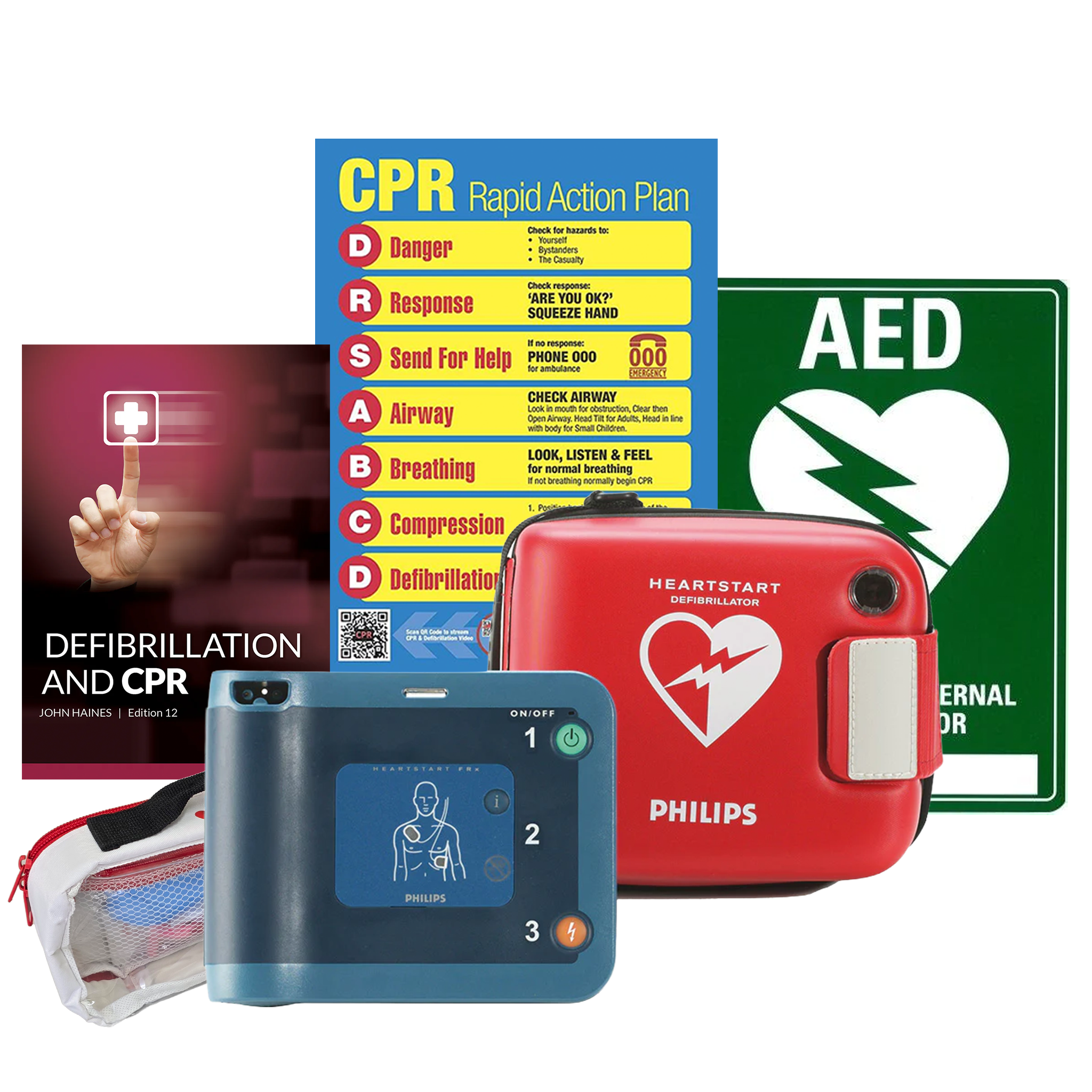
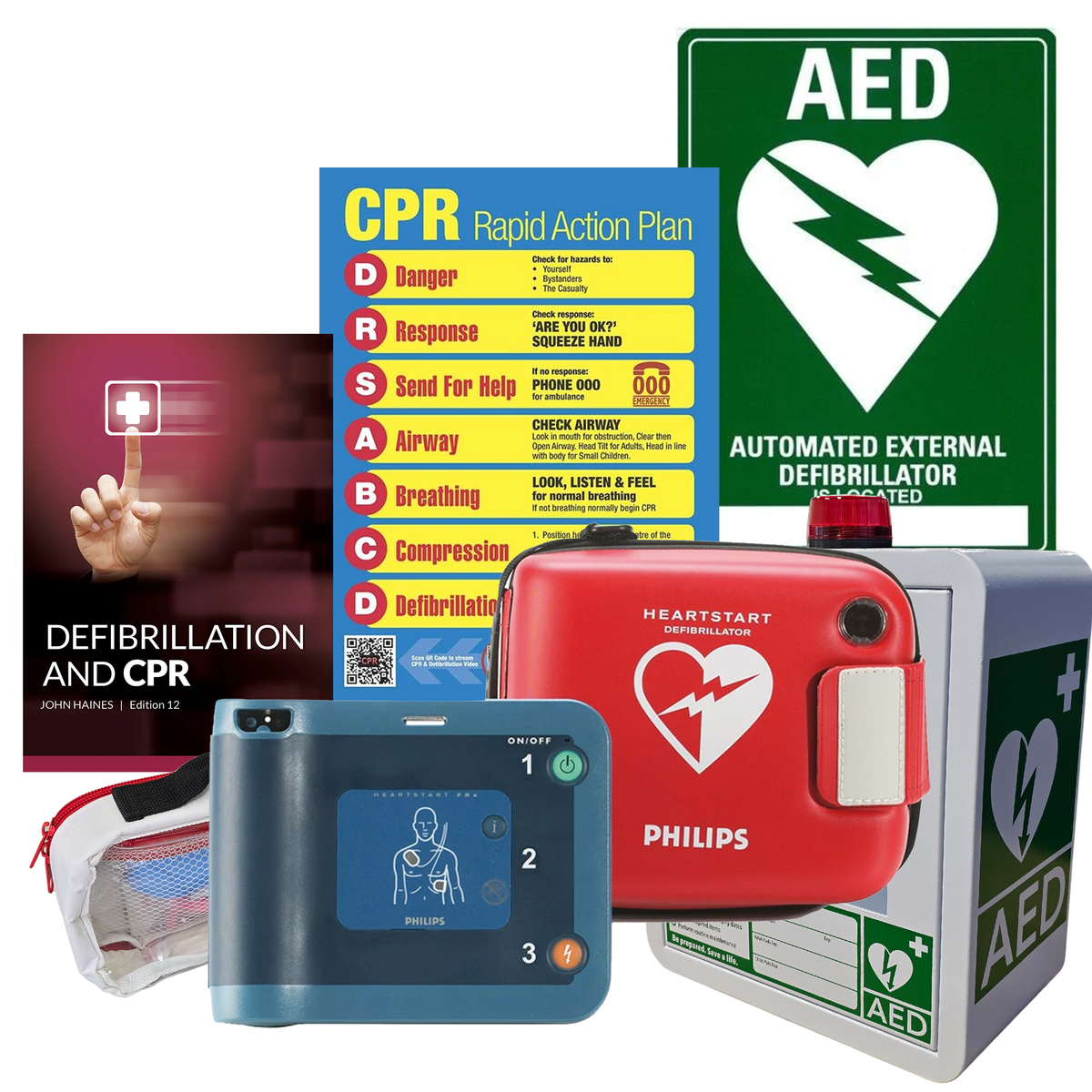
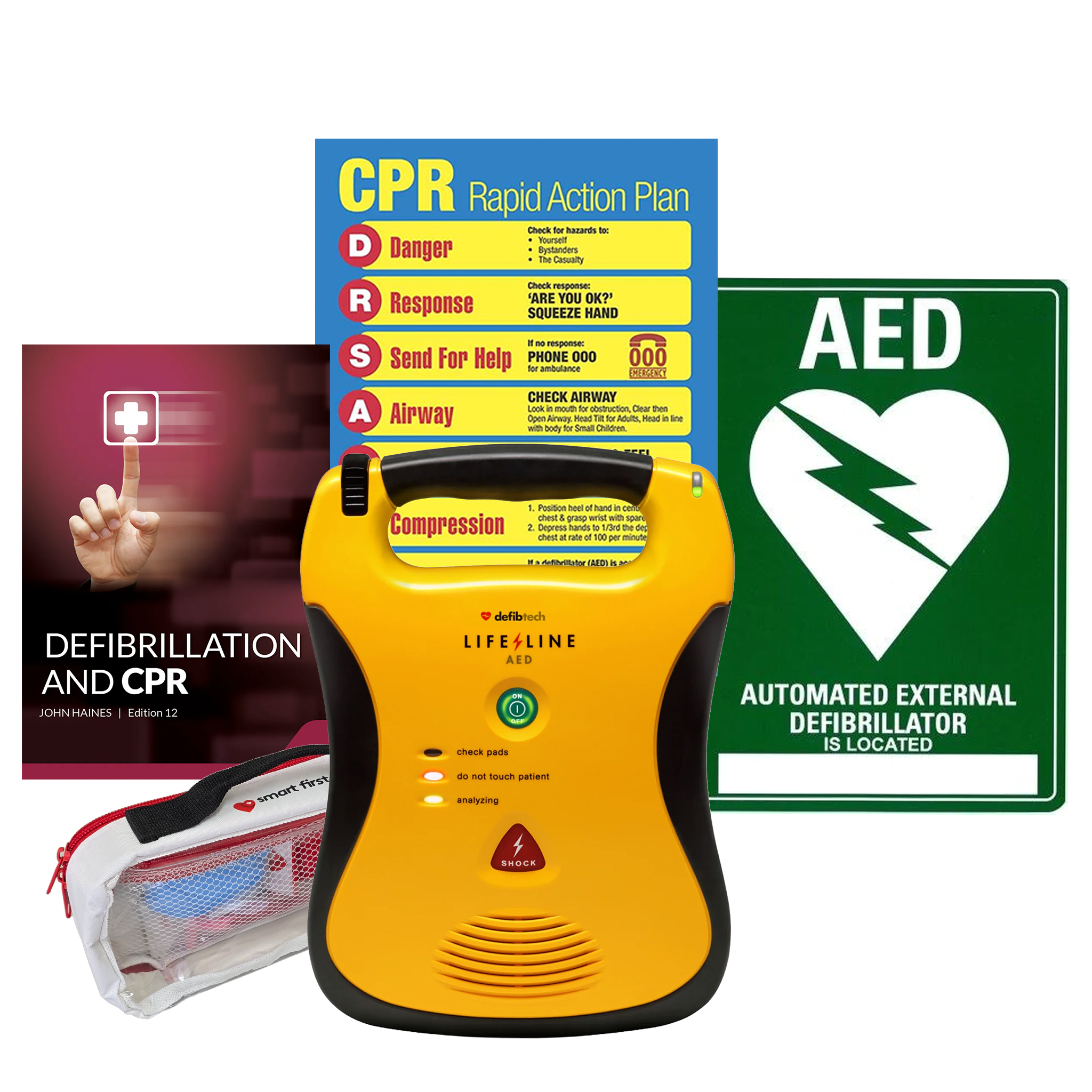
It pays to think beyond the unit itself. Pads and batteries carry expiry dates and need replacing periodically, so factor in those running costs and check the warranty length. Any AED supplied for use in Australia should be included on the ARTG, the Australian Register of Therapeutic Goods, and our packages bundle the defibrillator with a cabinet, signage and starter consumables so a site is ready from day one.
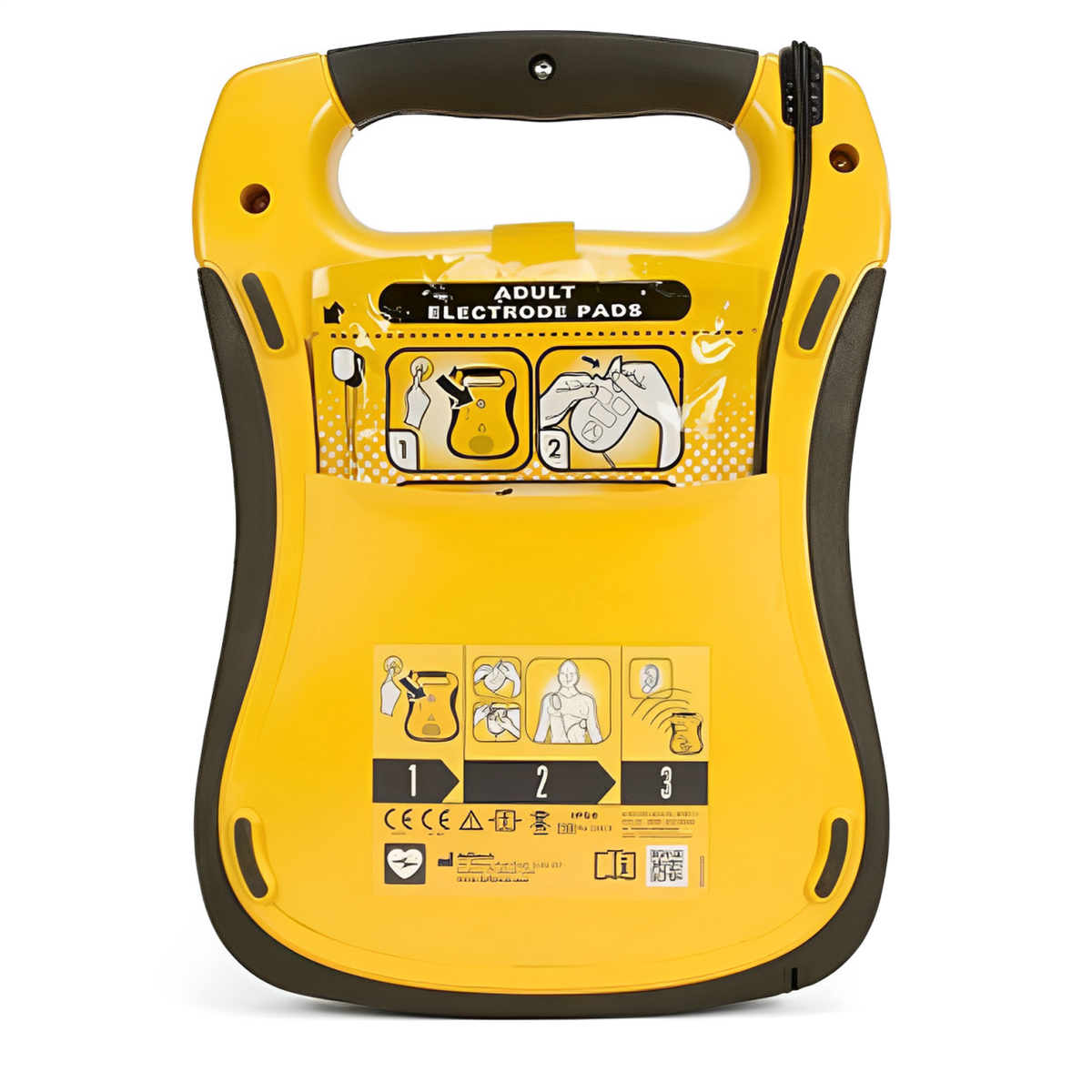
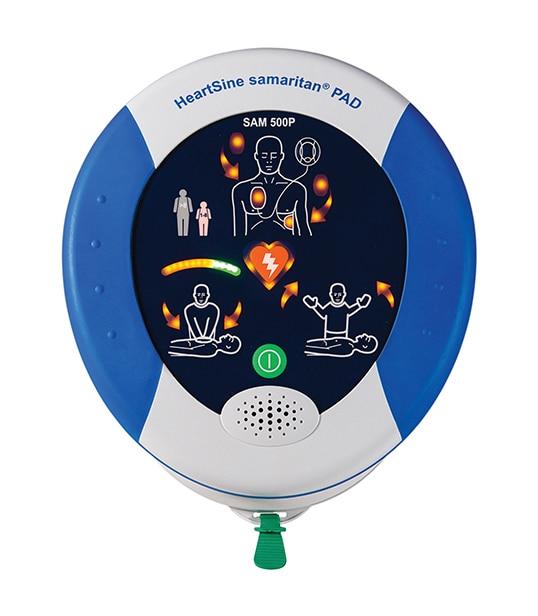
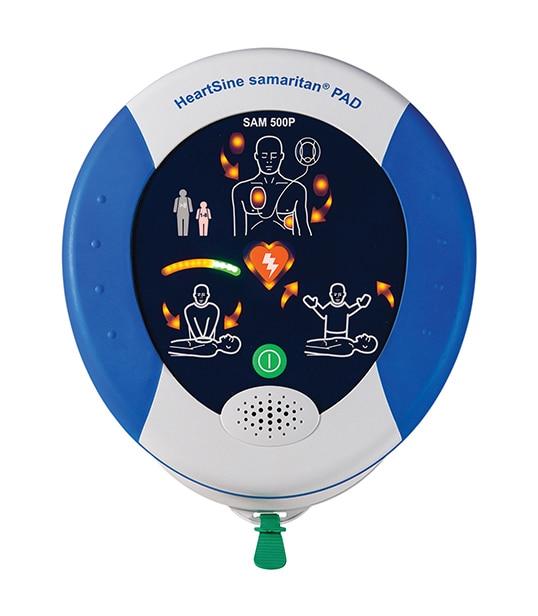
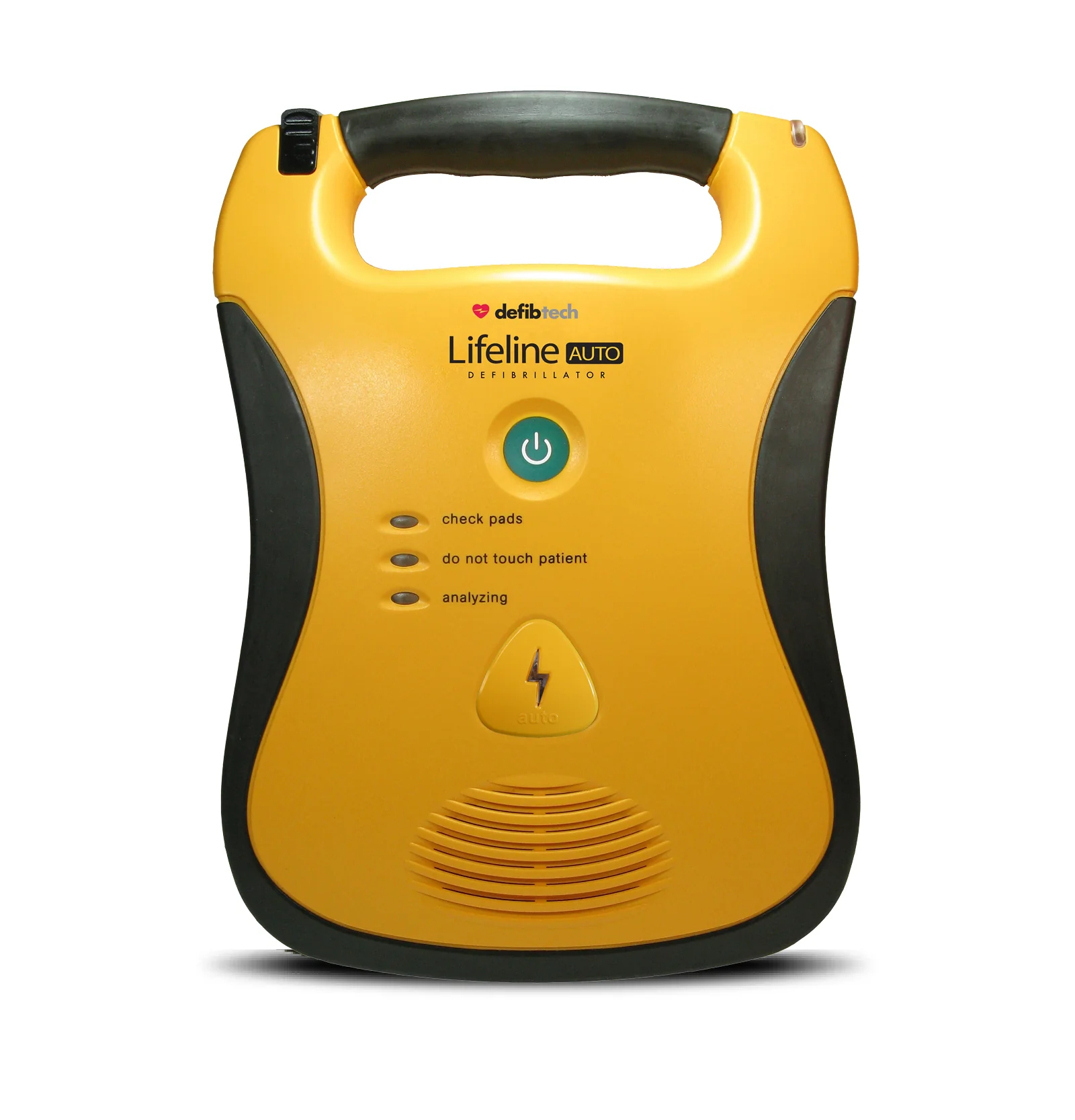
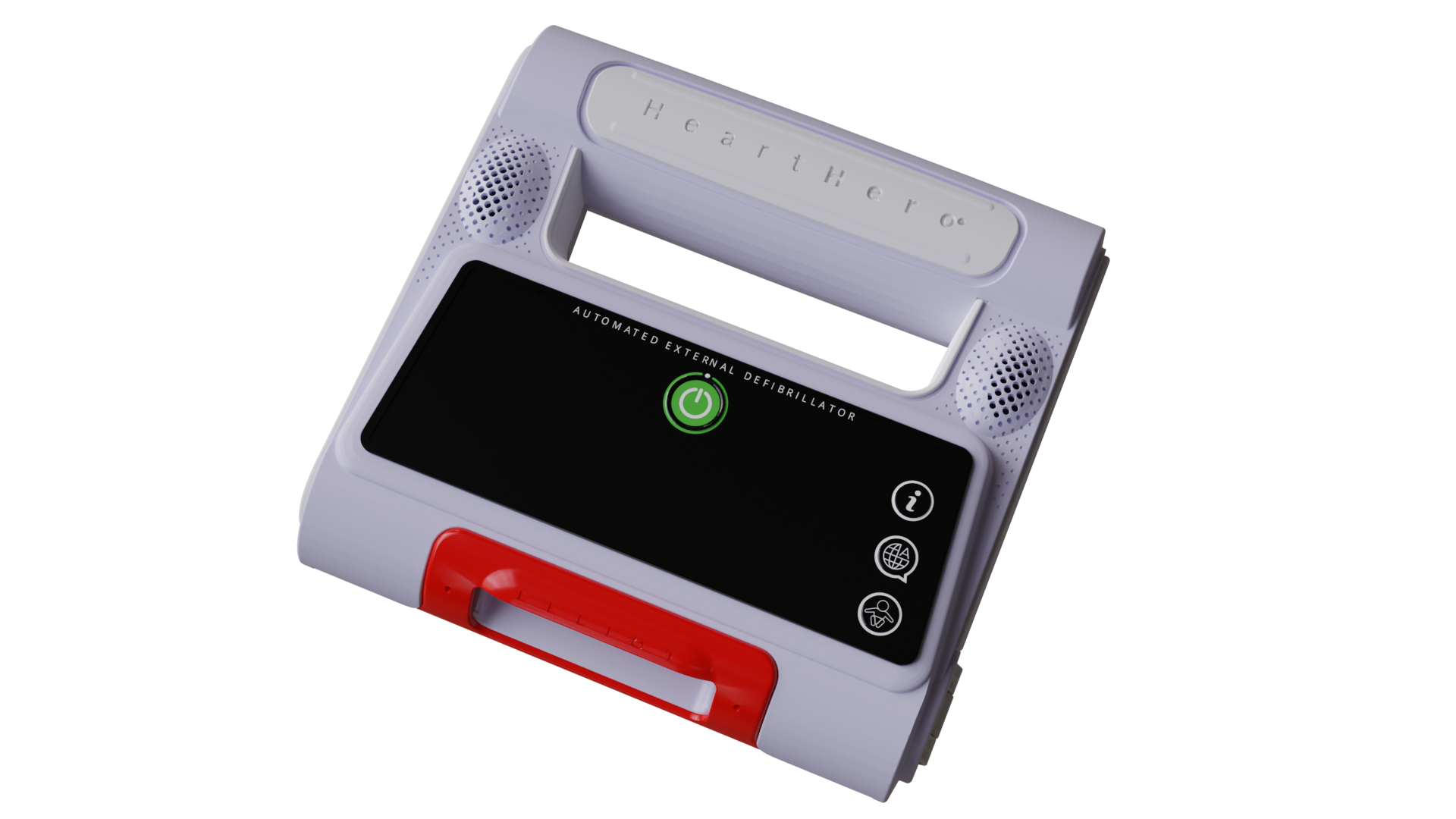
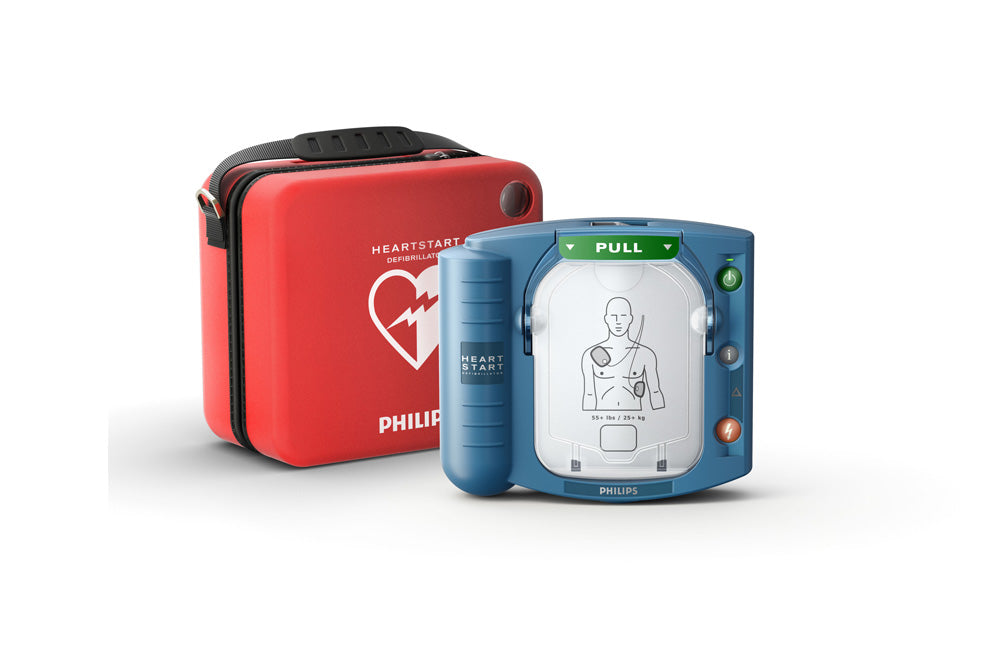
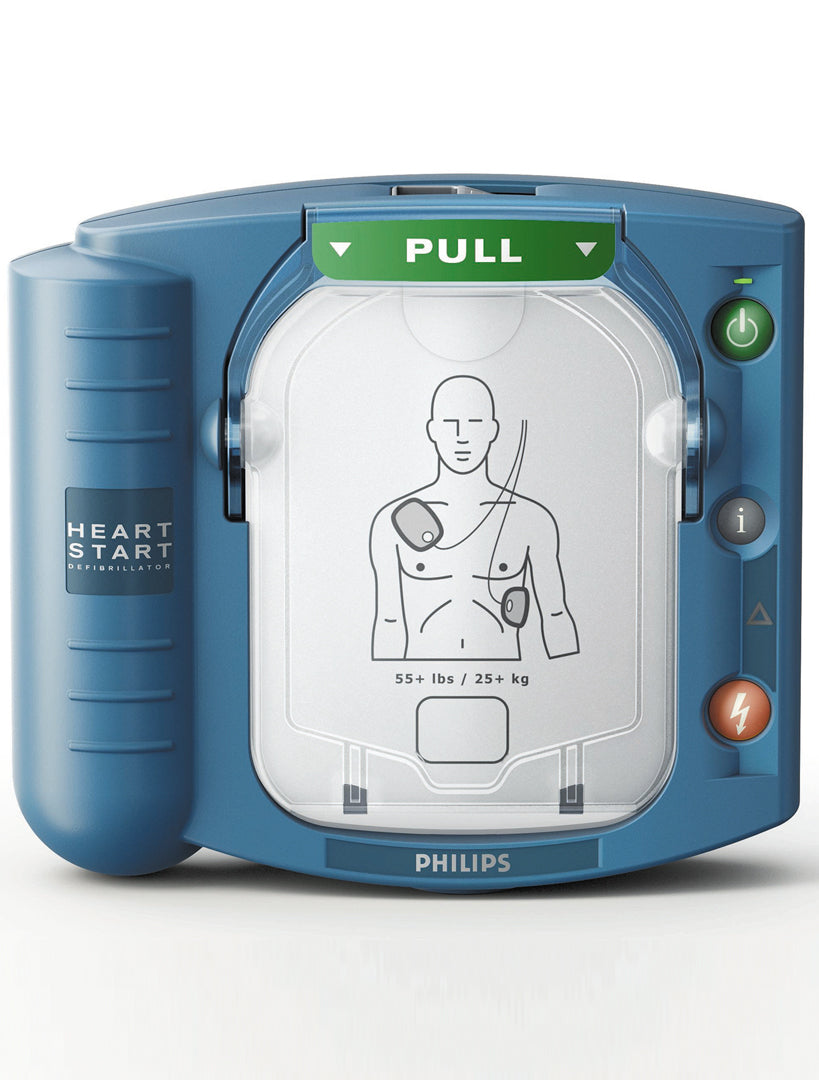
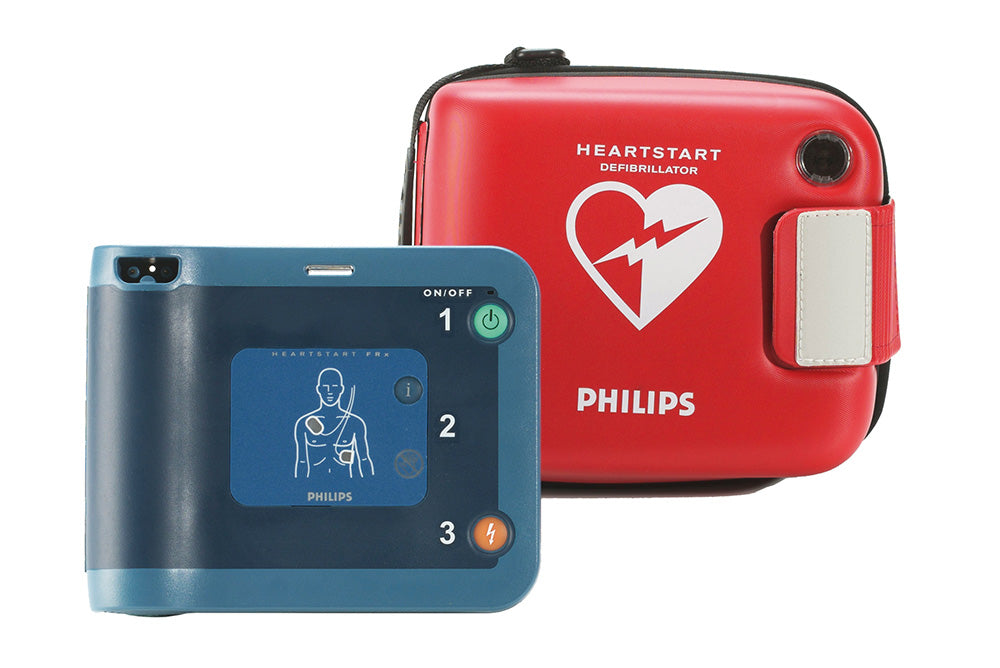
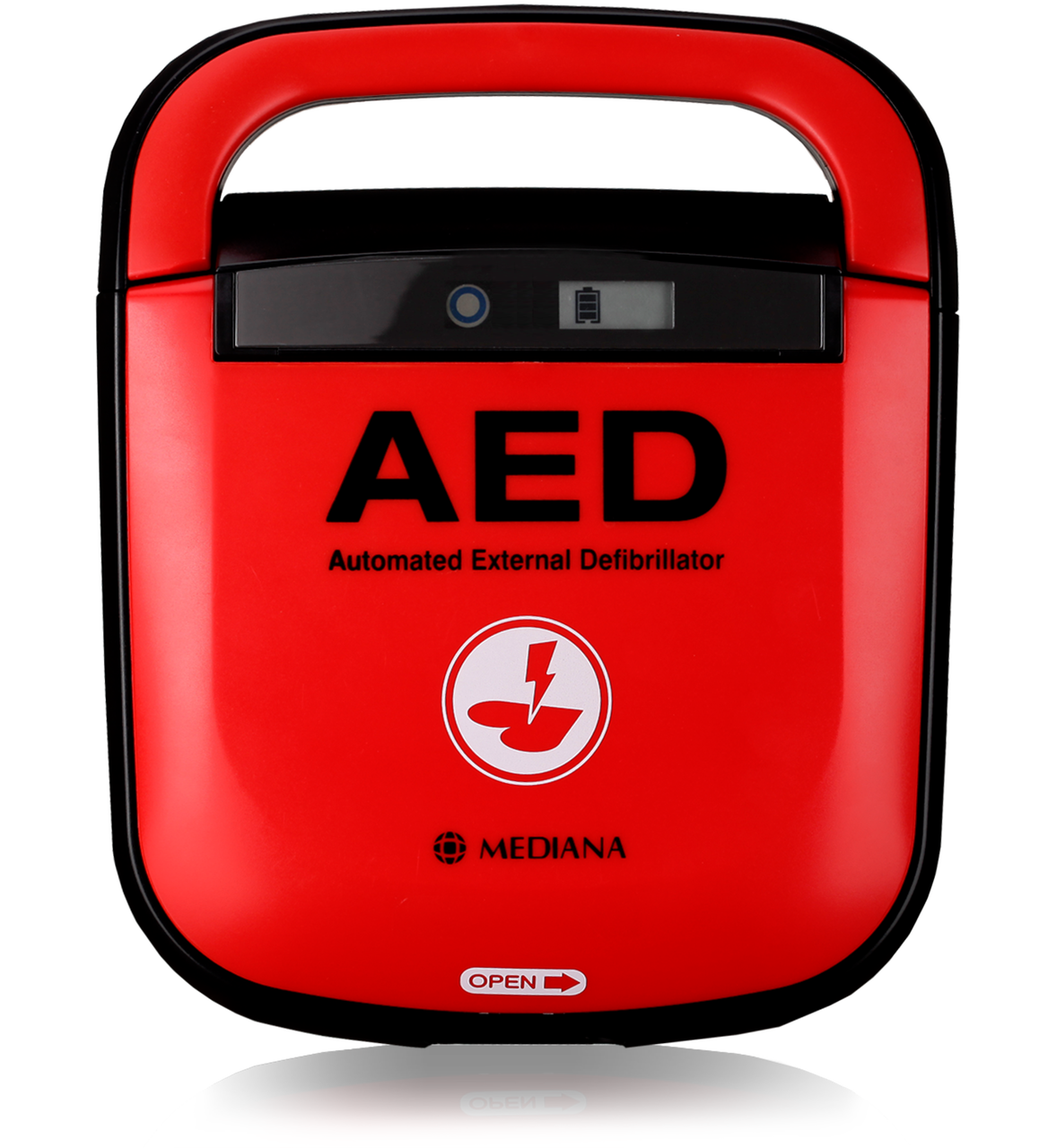
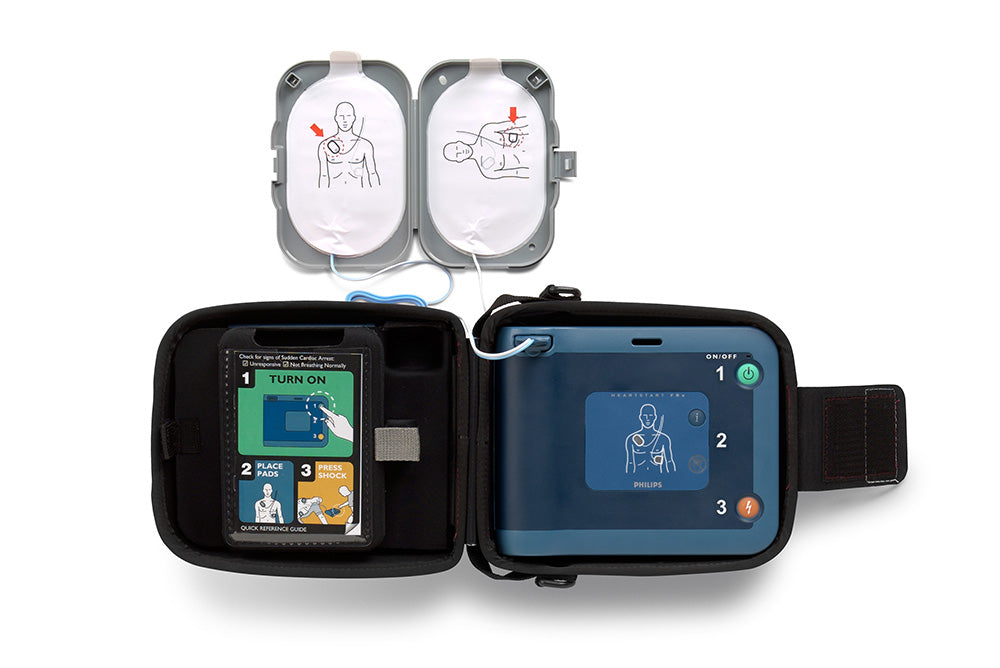
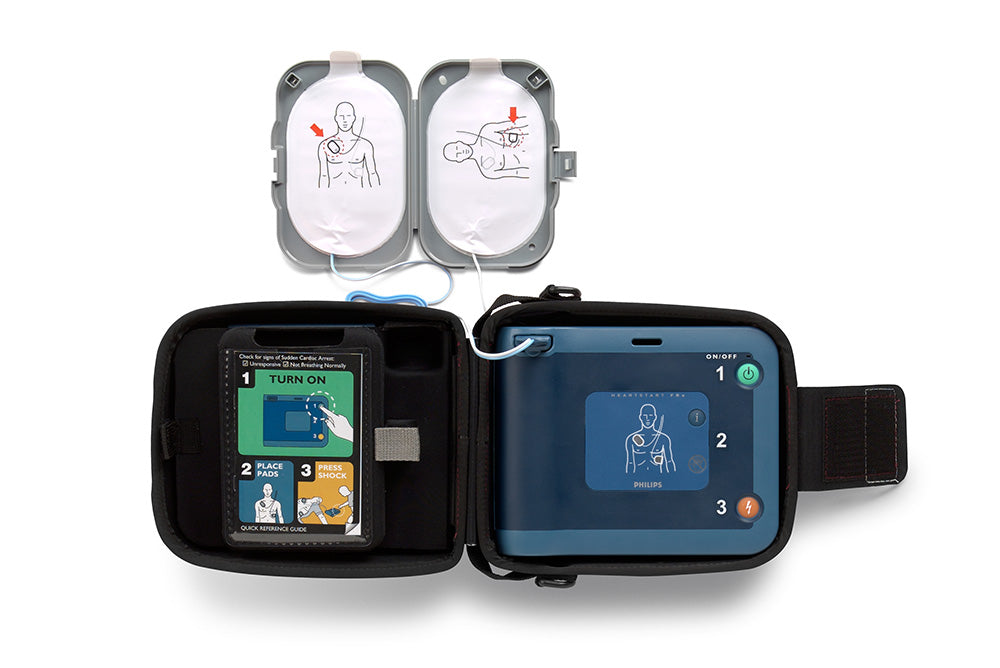
LivCor is an authorised Australian dealer for the brands workplaces and first responders rely on, including Philips HeartStart, Mediana, HeartSine, Defibtech and Lifepak, from straightforward entry-level units to feature-rich models with data and connectivity. We can match a defibrillator to your setting, supply replacement pads and batteries, and set you up with AED trainers for practice. Browse the range below, or get in touch for advice on the right unit for your workplace or community.
What is an AED (automated external defibrillator)?
An AED is a portable device that reads the heart's rhythm during sudden cardiac arrest and, only if one is needed, delivers a shock to help restore a normal beat. It gives spoken and visual prompts so a bystander can follow the steps without medical training.
What is the difference between a semi-automatic and a fully automatic defibrillator?
A semi-automatic AED tells the rescuer when a shock is advised and asks them to press a button to deliver it. A fully automatic AED delivers the advised shock itself once the pads are attached and everyone is clear. Both analyse the rhythm first; the choice comes down to whether you want the rescuer or the device to trigger the shock.
Do I need training to use a defibrillator?
No. AEDs are designed so an untrained bystander can use them by following the voice and visual prompts. Training builds confidence and is well worth doing, but it is not required to operate an AED in an emergency.
Which AED is best for a workplace?
The right workplace AED balances ease of use, durability and cost of ownership rather than any single model being best for everyone. Units from Philips, Mediana, HeartSine, Defibtech and Lifepak all suit workplaces; pair the unit with a wall cabinet and signage so it is easy to find, and compare pad and battery life and warranty when you choose.
How much does an AED cost, including ongoing costs?
AED units generally range from around a thousand to several thousand dollars depending on features. Beyond the purchase, budget for replacement pads and a battery, which expire and need renewing every few years, plus a cabinet or signage. Packages that bundle these can work out more economical.
Do AEDs need servicing or maintenance?
AEDs are largely self-maintaining and run regular self-tests, but you should check the status indicator regularly and replace pads and batteries before their expiry dates. Keeping a spare set of pads on hand means the unit is always ready to use.
Can an AED be used on a child?
Many AEDs can be used on children, usually with a paediatric mode or child pads that reduce the energy delivered. If your setting involves infants or young children, choose a unit that offers a paediatric option.
Recently viewed
Free shipping over $950 online.
Spend over $950 online and get free shipping Australia-wide (excludes some items and offline orders)
Simple returns
Return any unused purchase within 14 days for a full refund.
Australia's most trusted first aid supplier
Trust 35+ years of leading the Aussie market
Reach out
contact us for easy support. sales@livcor.com.au, or phone on 1300 727 580