





Frequently asked questions
What is an anaphylaxis trainer device?
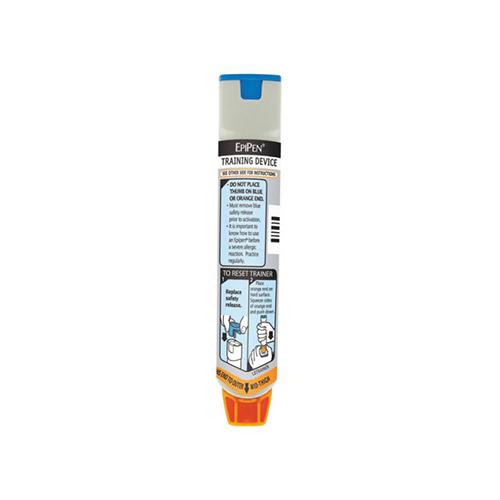
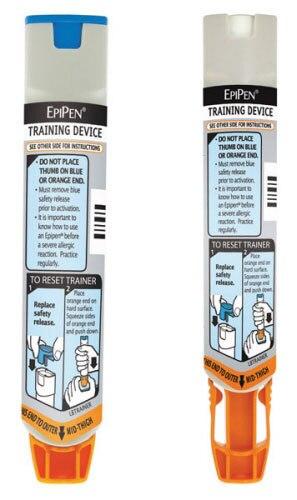
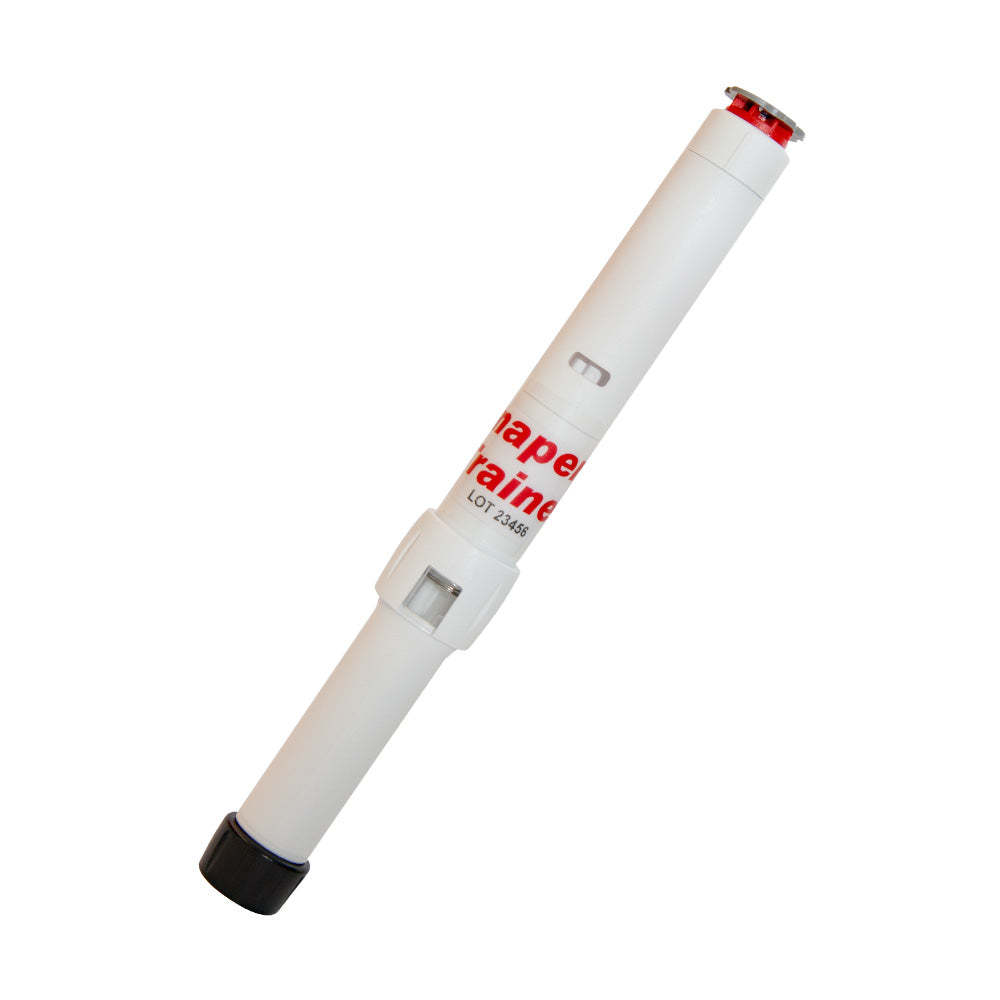
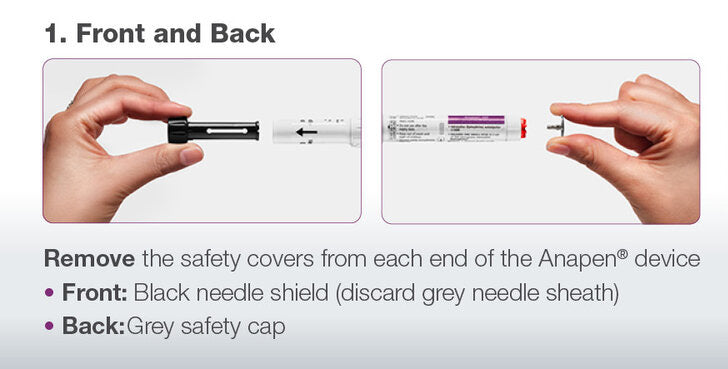
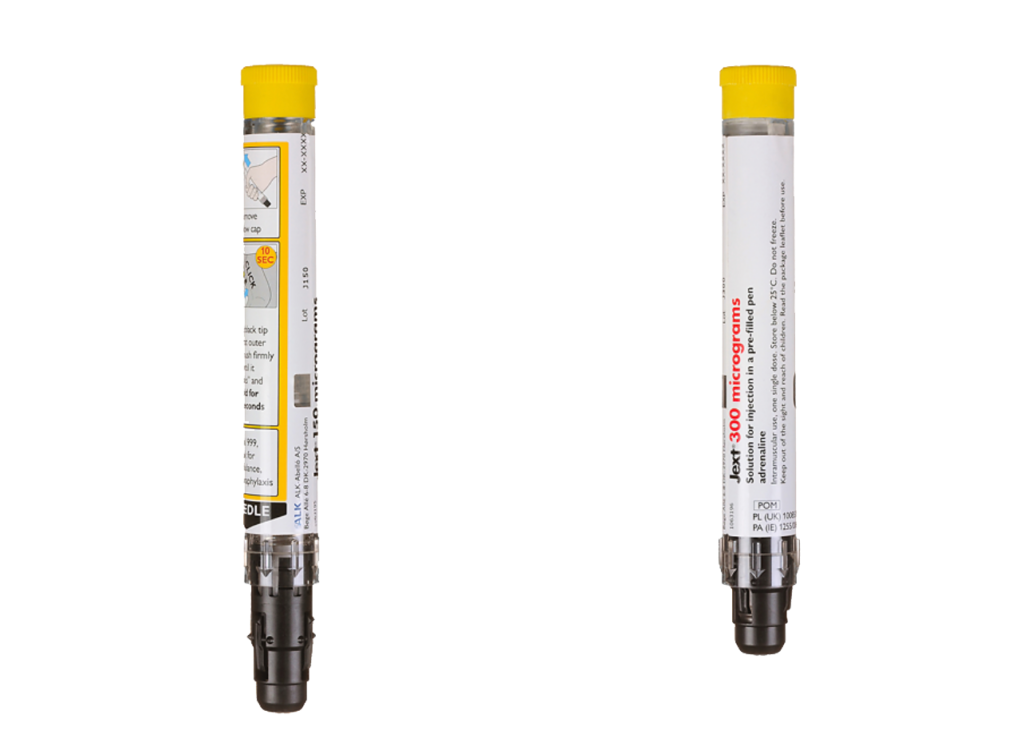
An anaphylaxis trainer is a practice version of an adrenaline auto-injector such as an EpiPen or Anapen. It contains no adrenaline and no needle and can be used repeatedly, so people can rehearse the correct technique safely before they ever need a real device.
Do trainer auto-injectors contain adrenaline or a needle?
No. Trainer devices contain no medication and no needle, which is what makes them safe to use over and over in training. Only a real auto-injector, prescribed for a person at risk, contains adrenaline.
What is the difference between an EpiPen, Anapen and Neffy trainer?
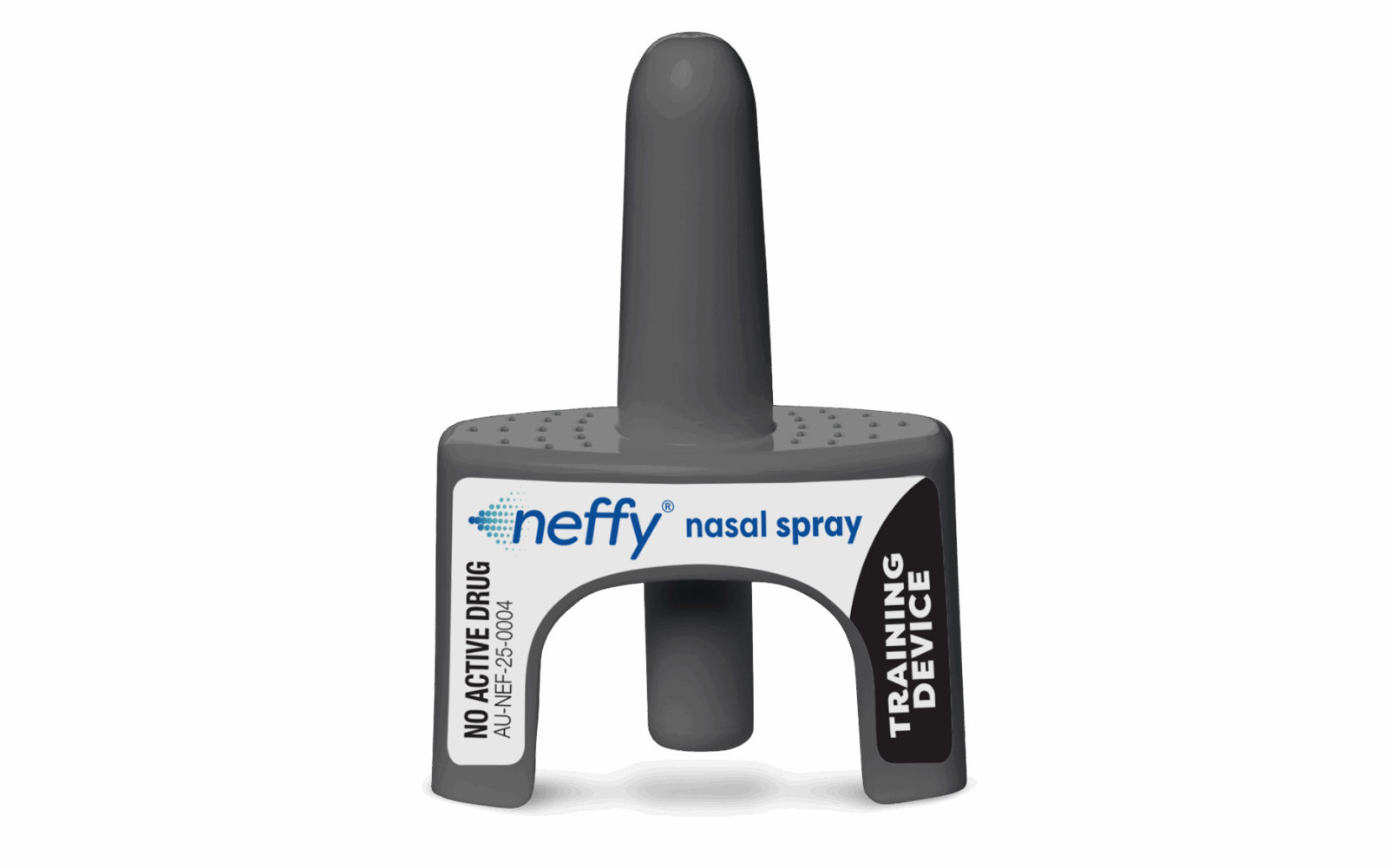
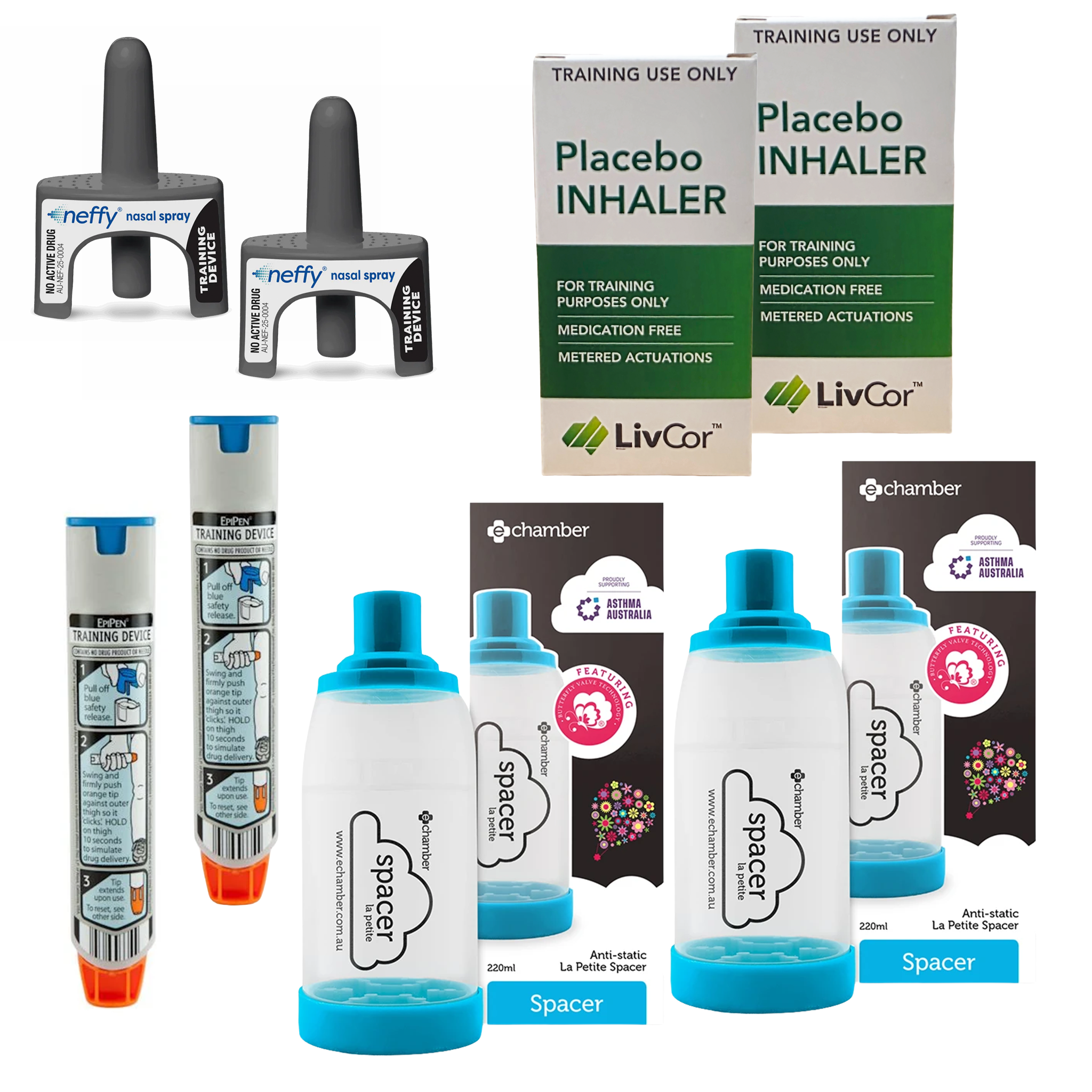
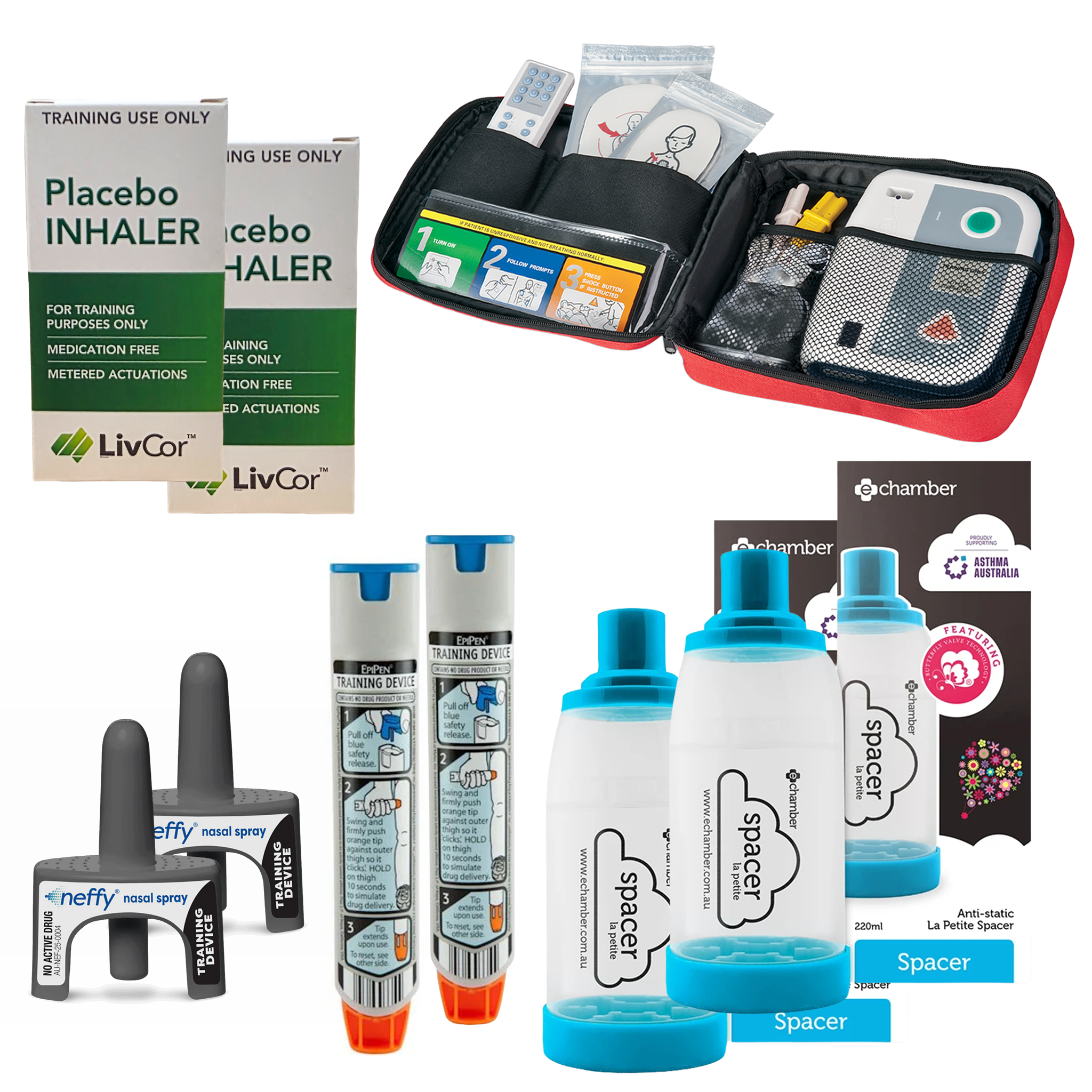
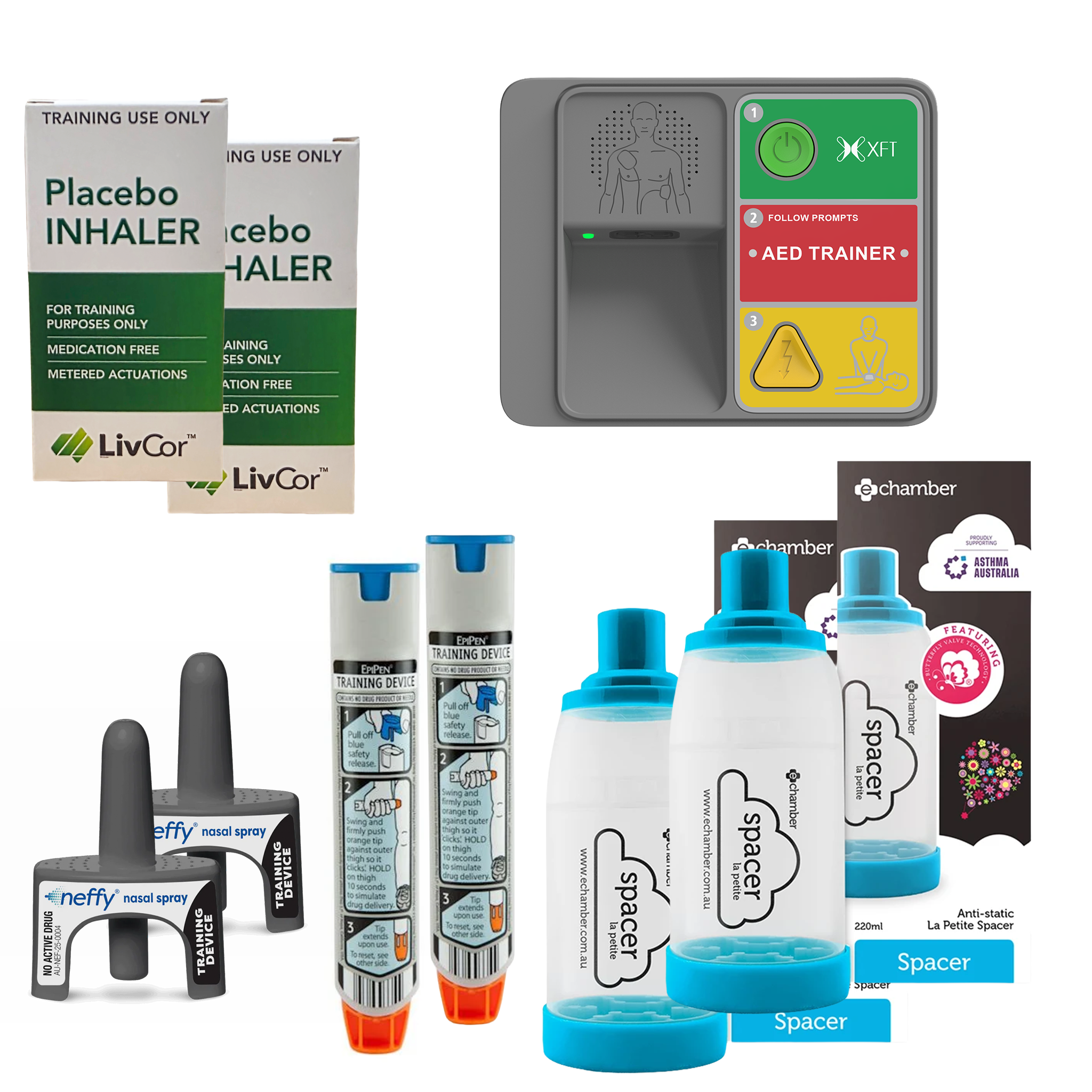
They mirror the three main adrenaline devices used in Australia. EpiPen and Anapen trainers practise the auto-injector technique, while the Neffy trainer practises the newer adrenaline nasal spray. Many trainers keep one of each so learners can practise whichever device they may encounter.
What is an asthma spacer used for?
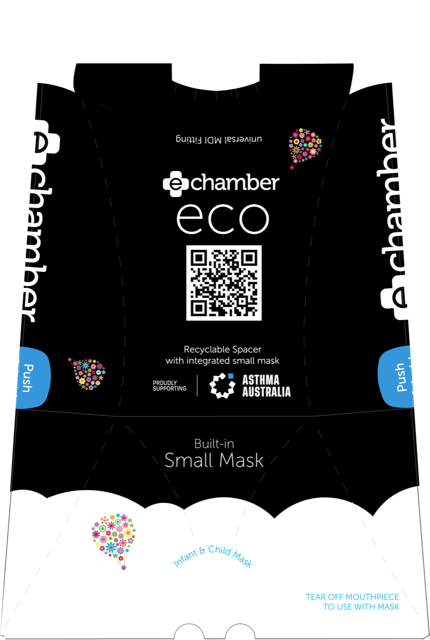
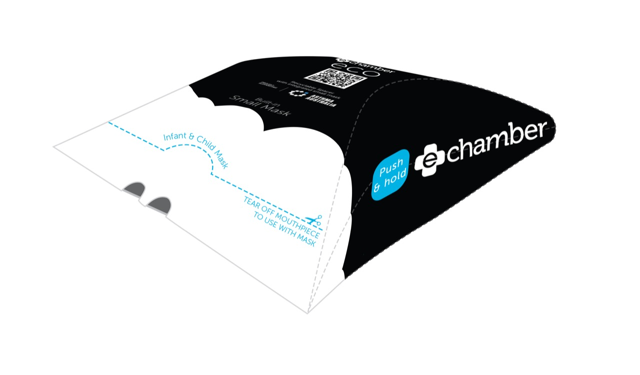
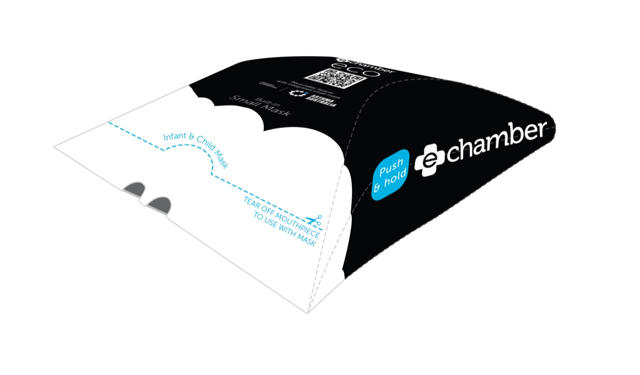
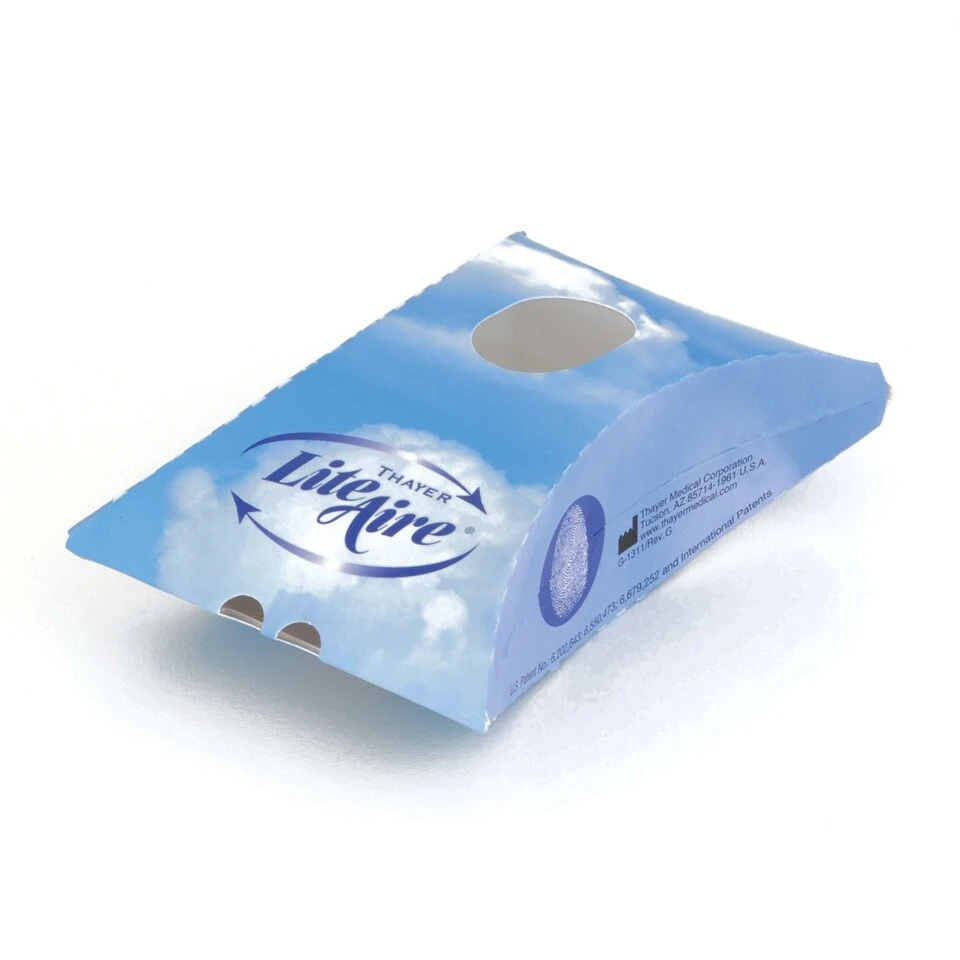
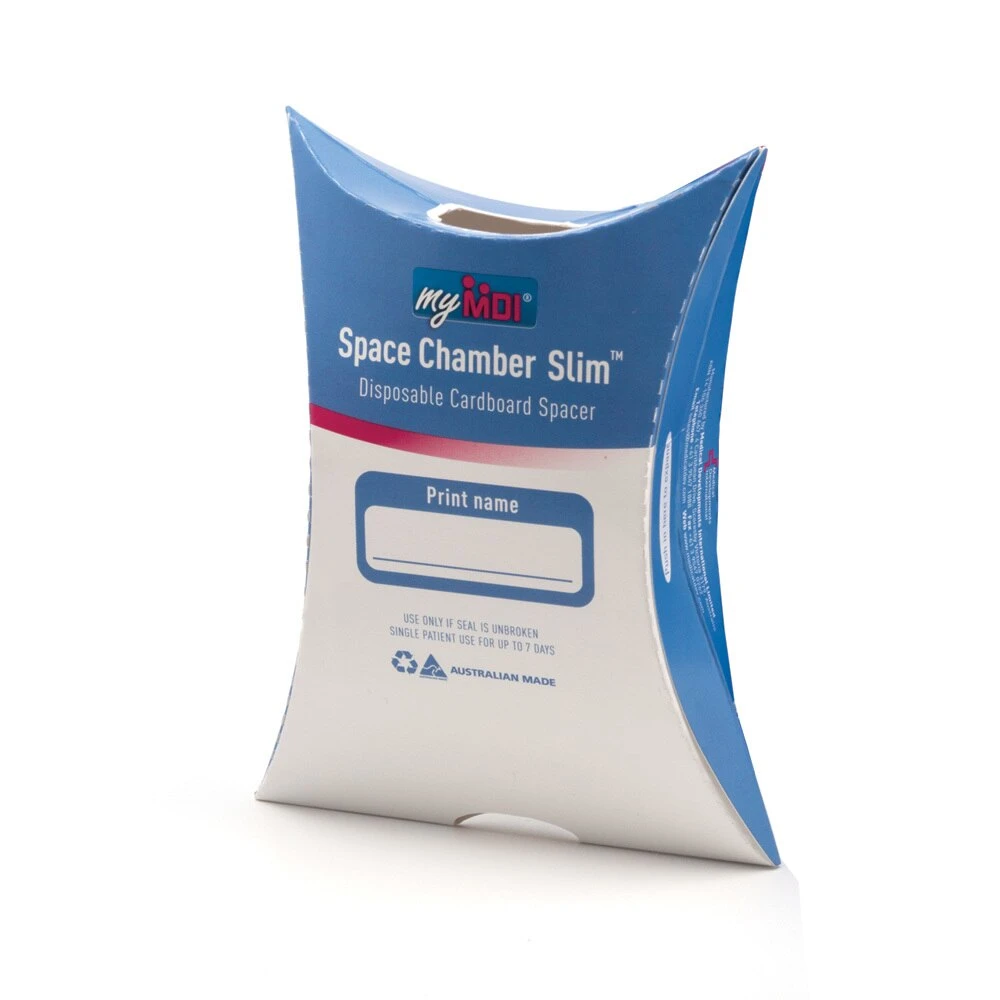
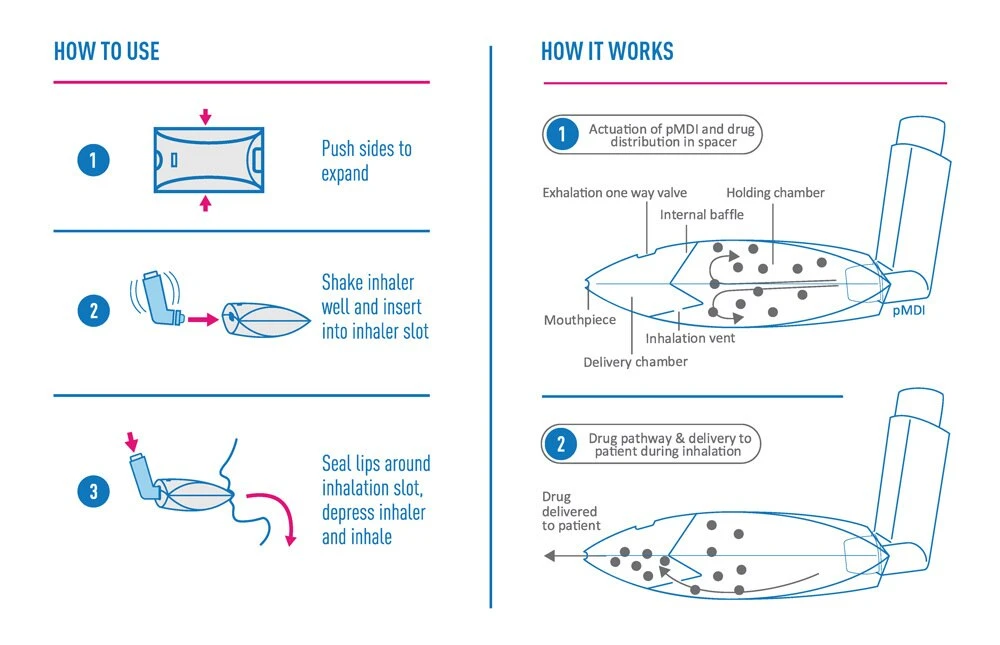
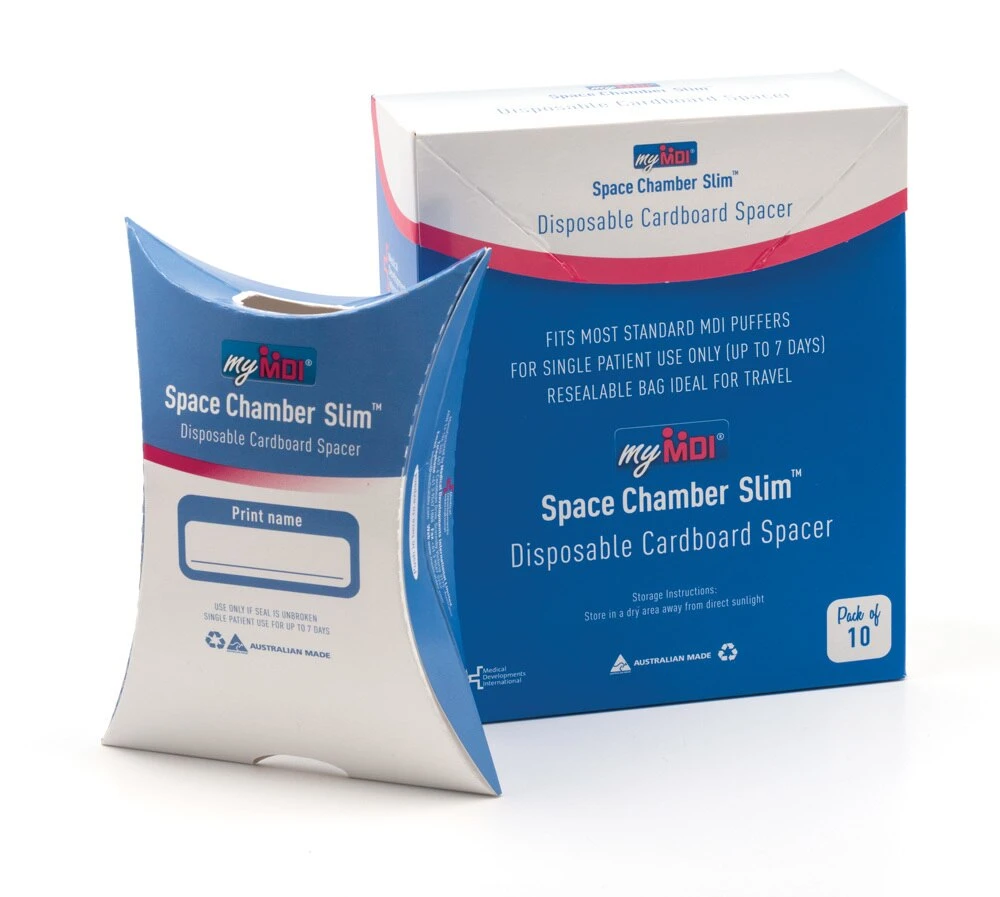
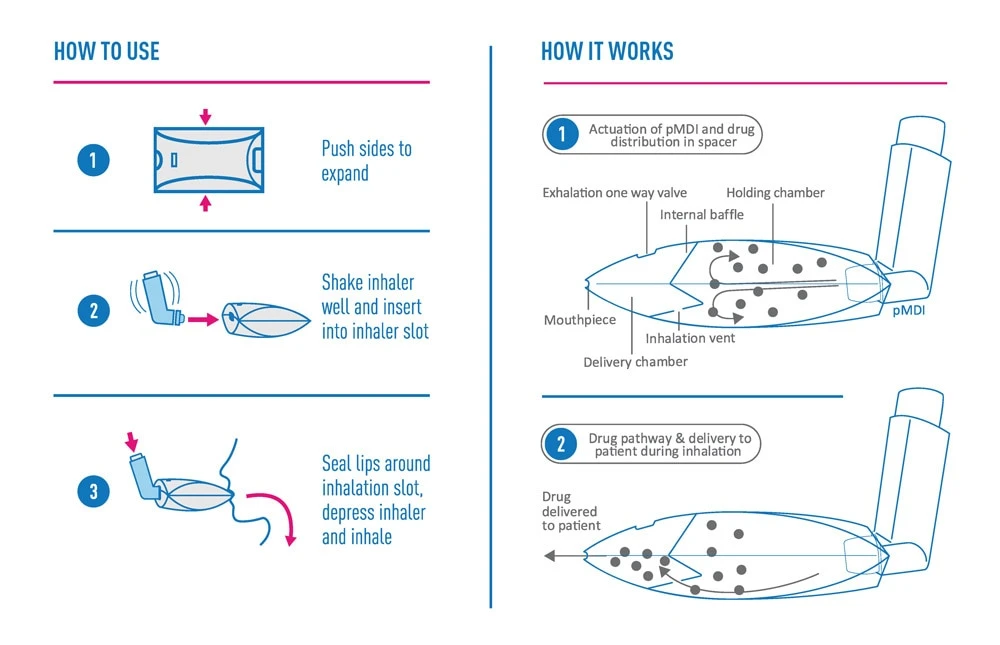
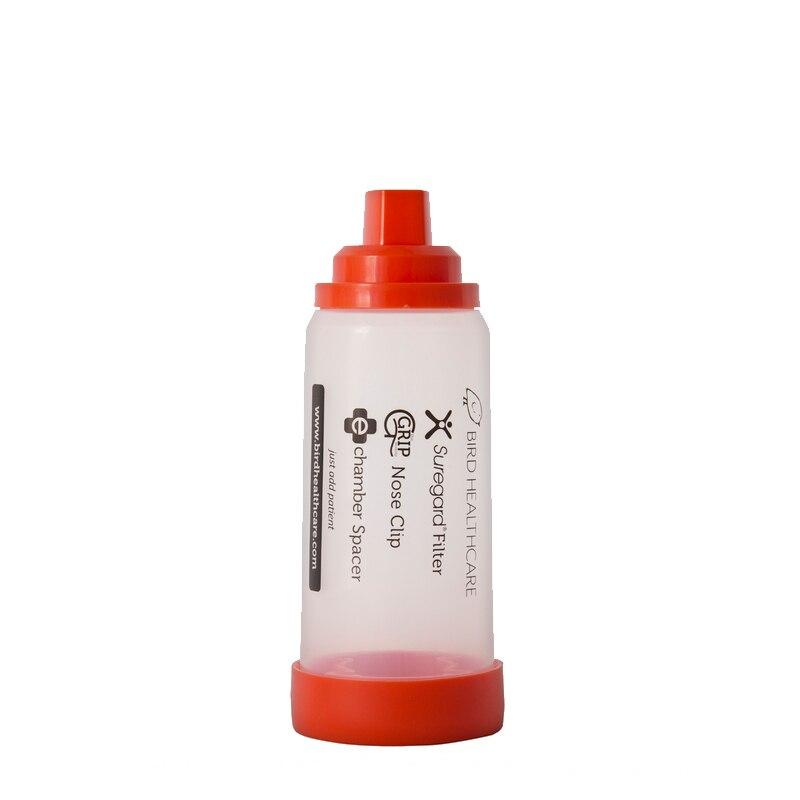
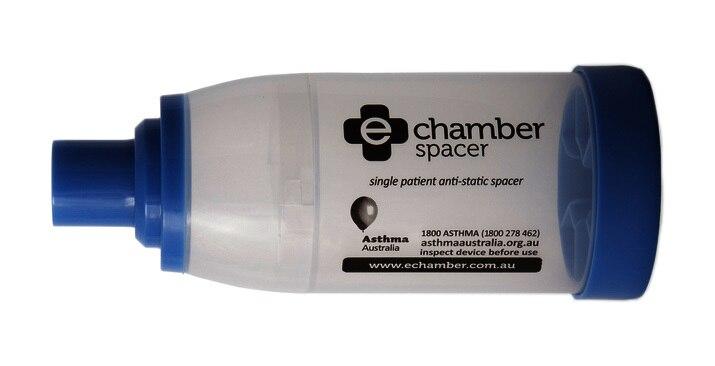
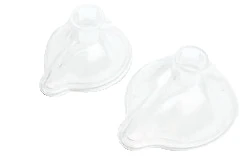
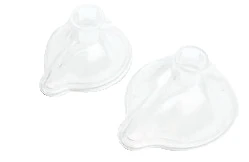
A spacer is a chamber that attaches to a puffer to help deliver the medication more effectively, which is especially helpful for children. Unlike the trainer devices, spacers such as the LiteAire and e-chamber are real devices used in everyday asthma management.
What is a placebo inhaler for?
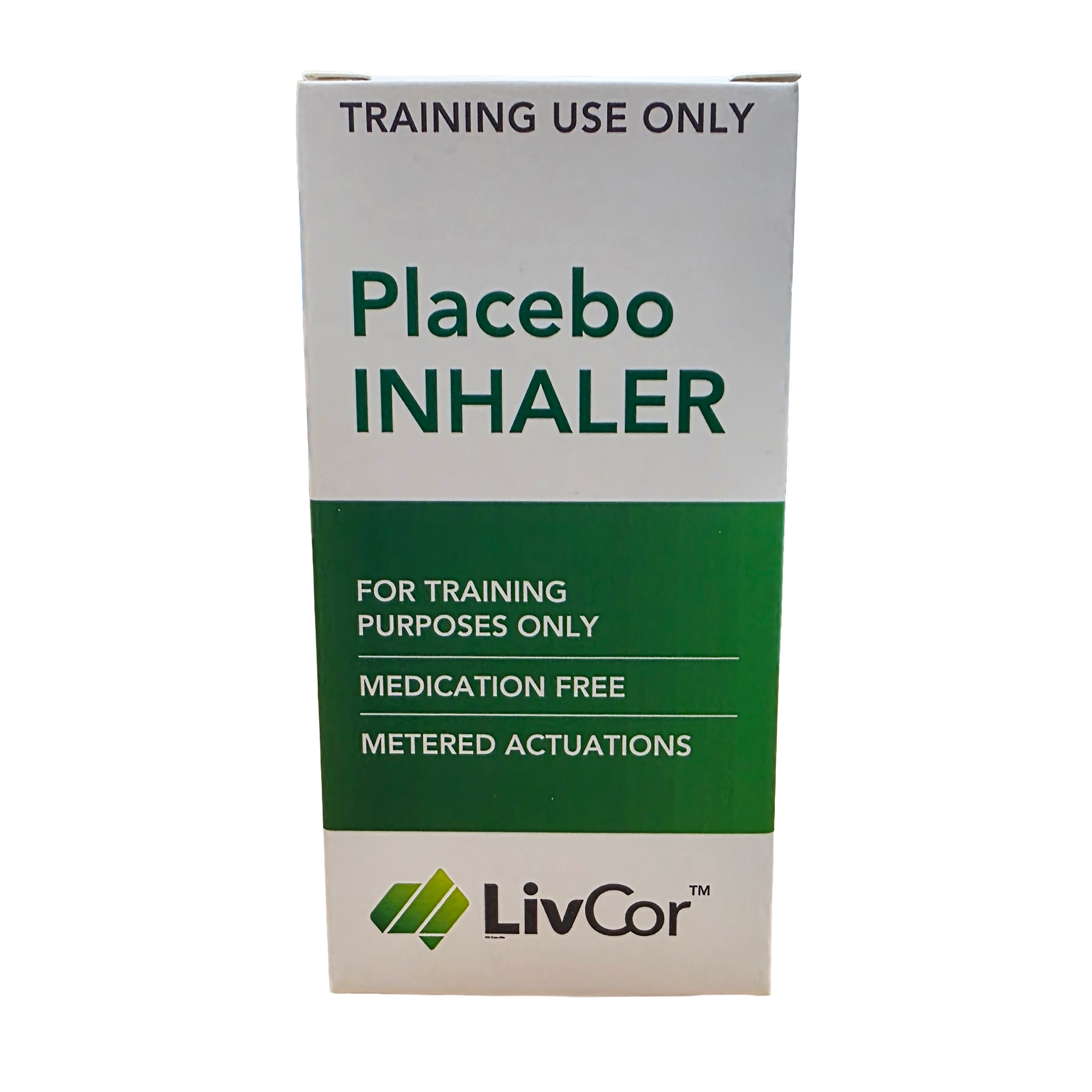
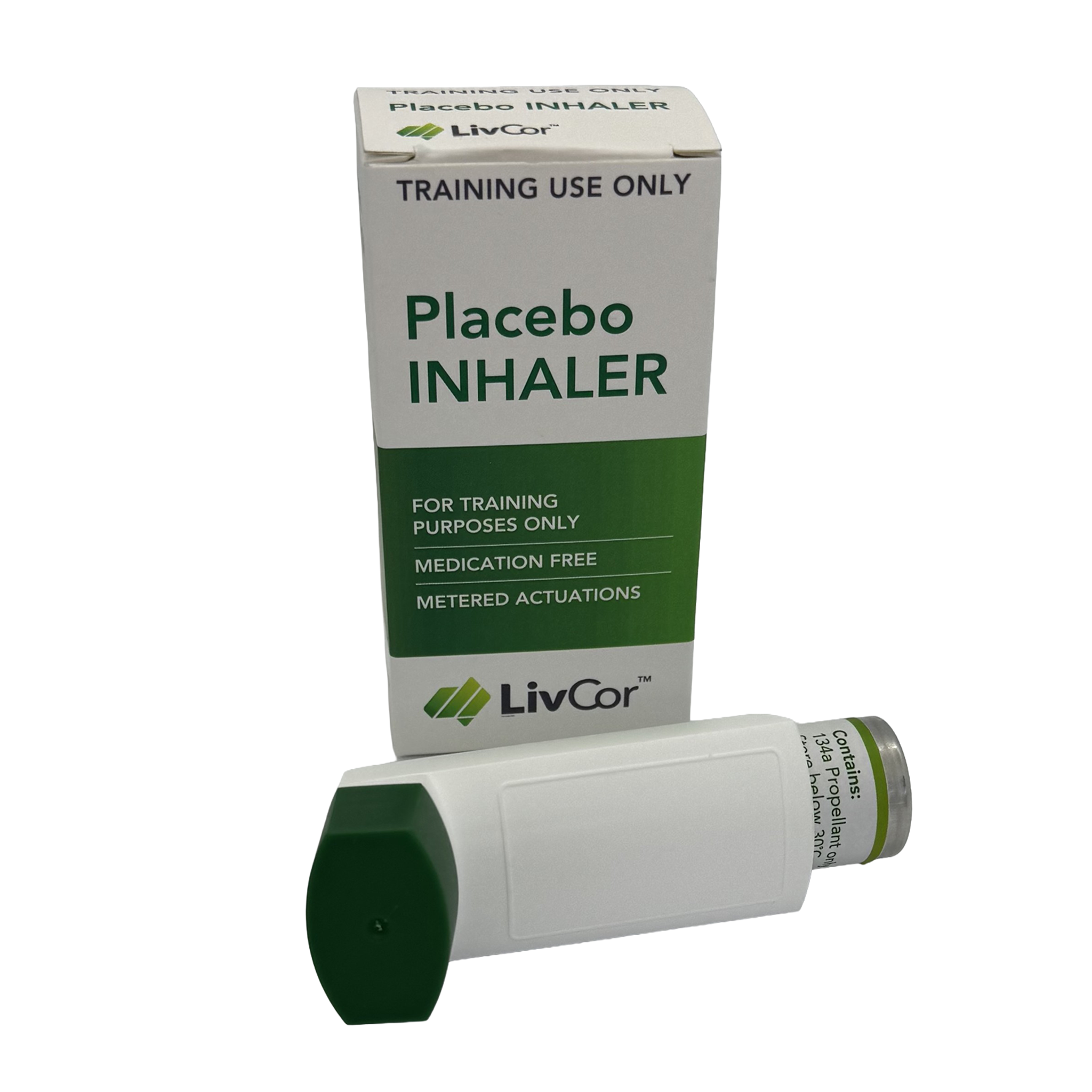
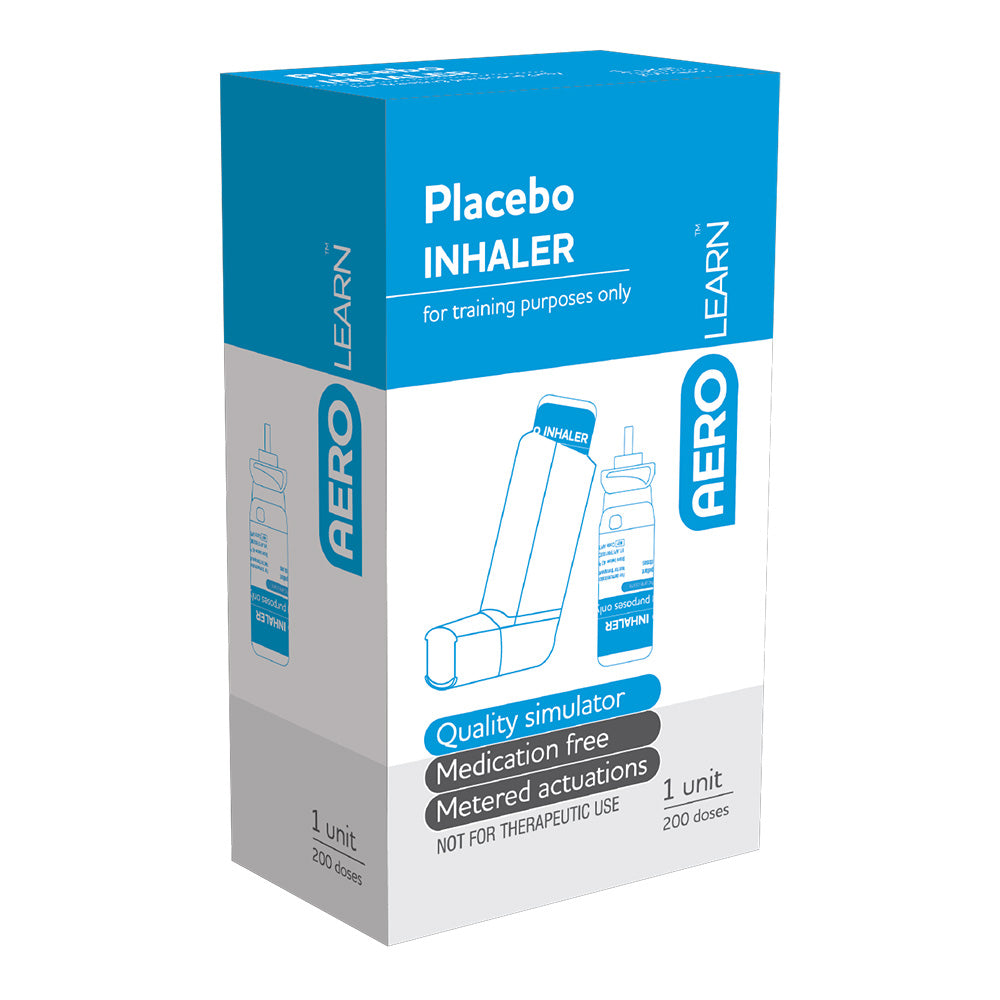
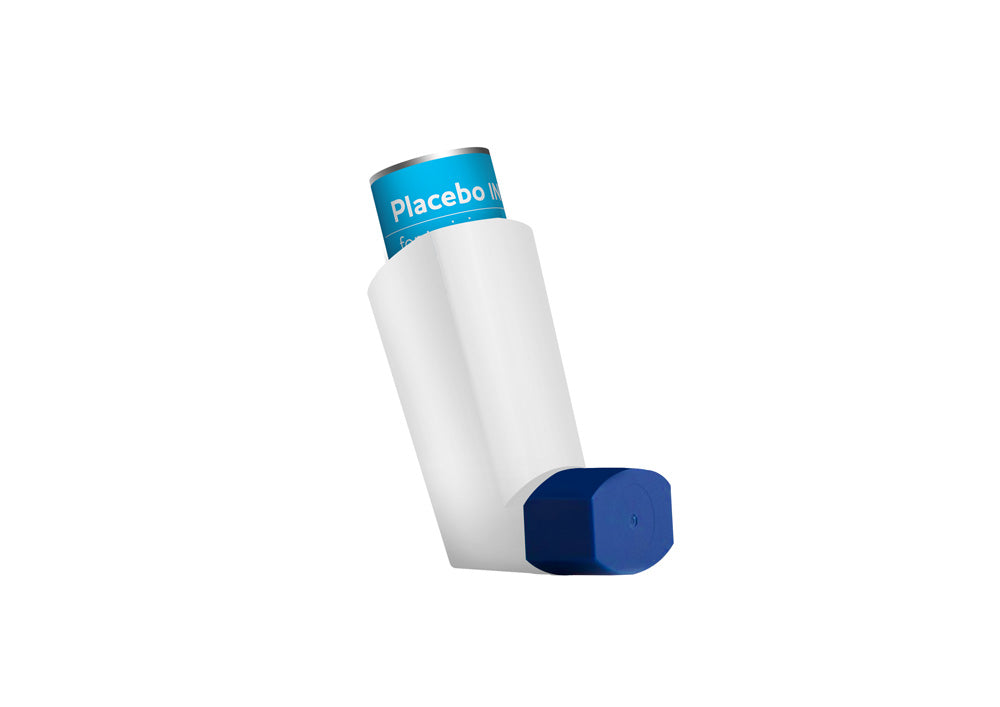
A placebo or trainer inhaler looks like a real asthma puffer but contains no medication. It is used to demonstrate and practise correct inhaler and spacer technique during first aid and asthma training.
Who needs anaphylaxis and asthma trainer devices?
First aid instructors, schools, childcare services and workplaces use them to teach staff how to respond to anaphylaxis and asthma. They support the practical part of training that follows programs such as the ASCIA action plans.
How many trainers do I need for a class?
Aim for enough that learners are not waiting long to practise. Many trainers choose one device per small group, or a pack that combines an EpiPen, Anapen and Neffy trainer so a class can rotate through each type.