
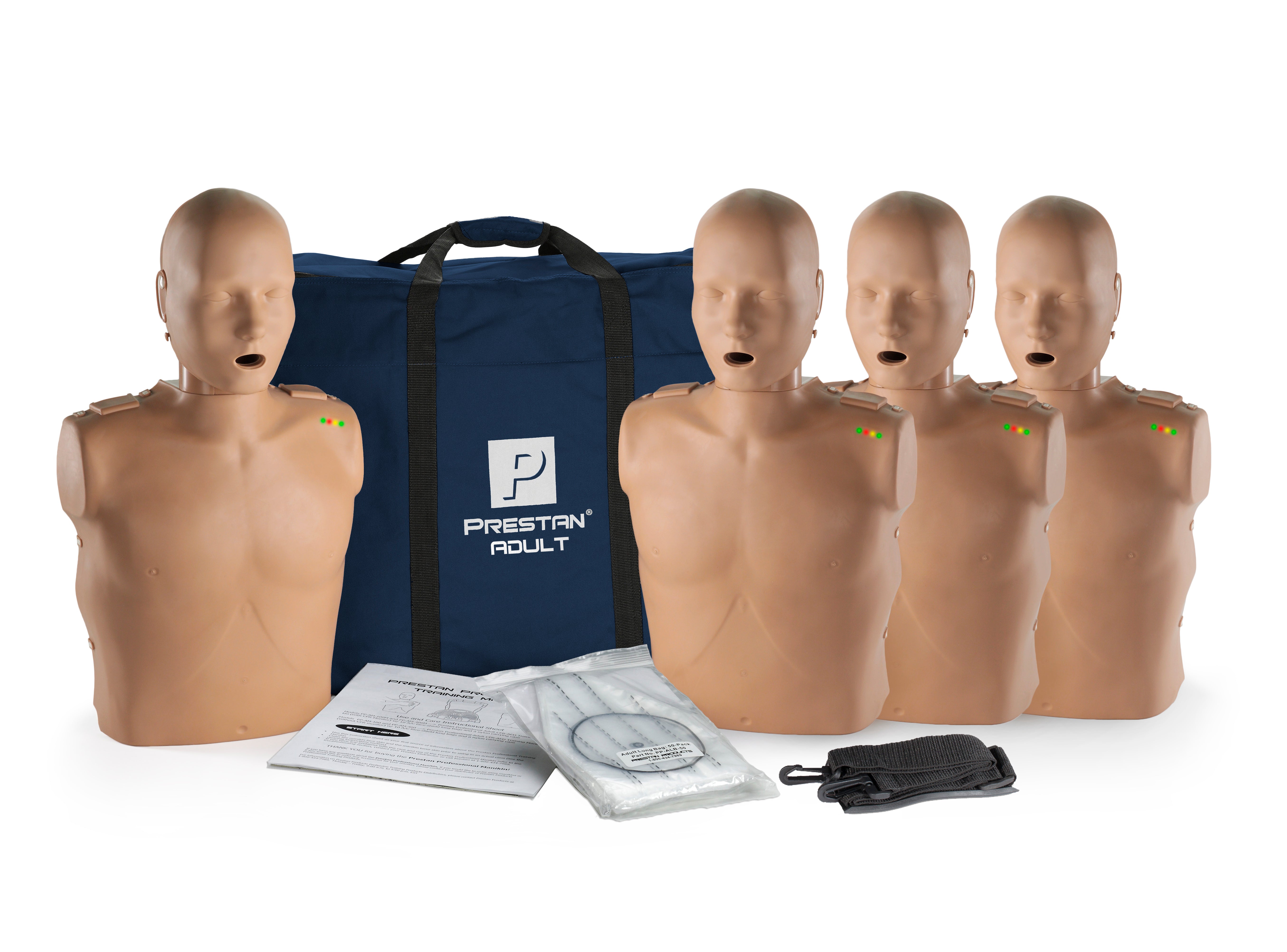
Prestan
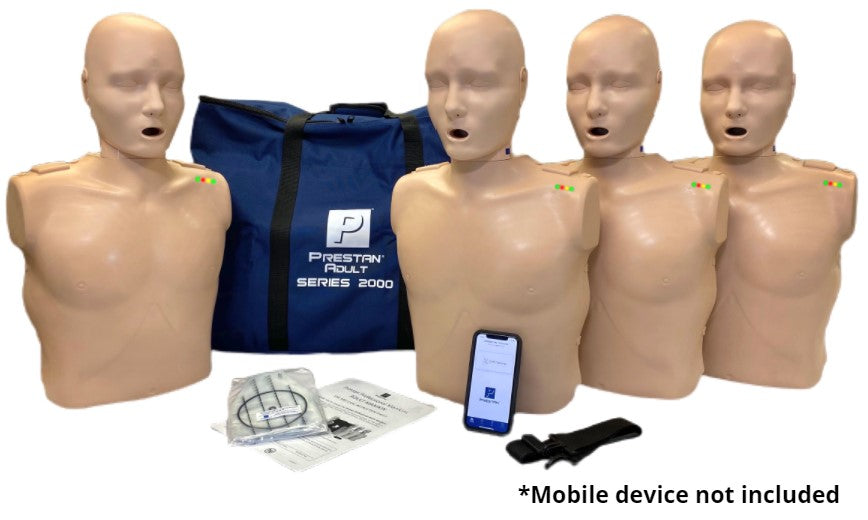
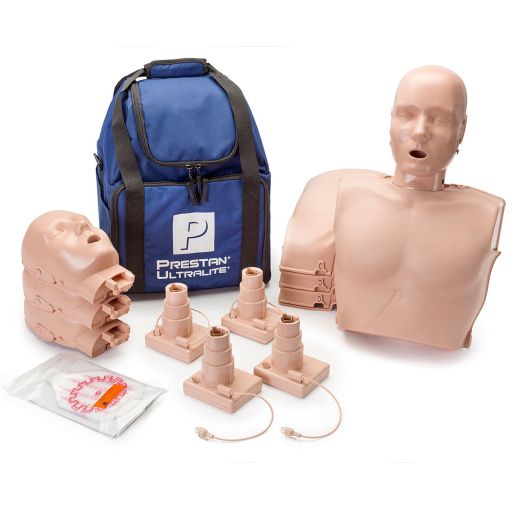
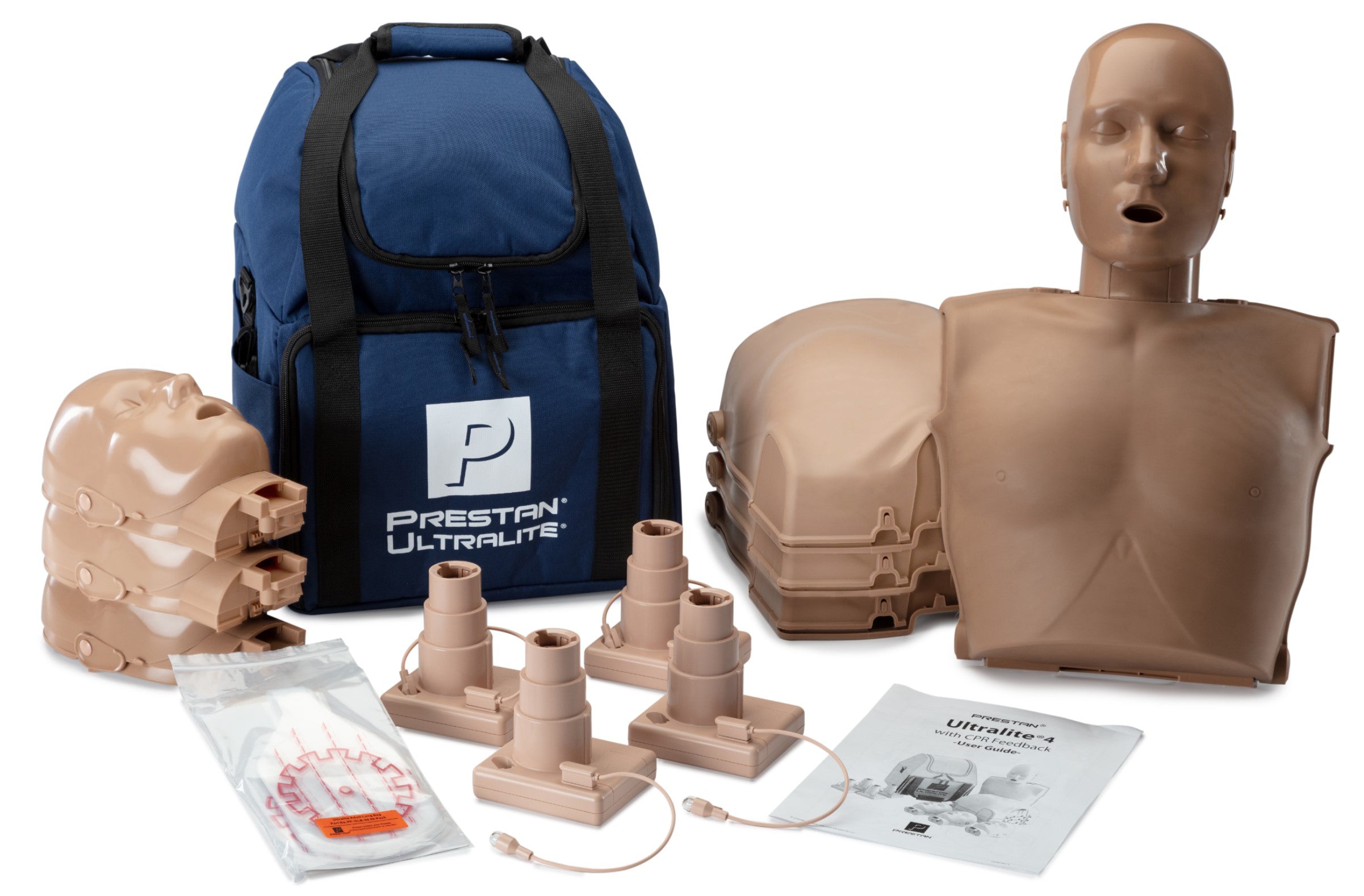
PRESTAN Professional Adult Manikin with CPR Feedback | Dark Skin, 4-Pack
Sale price$1,410.00
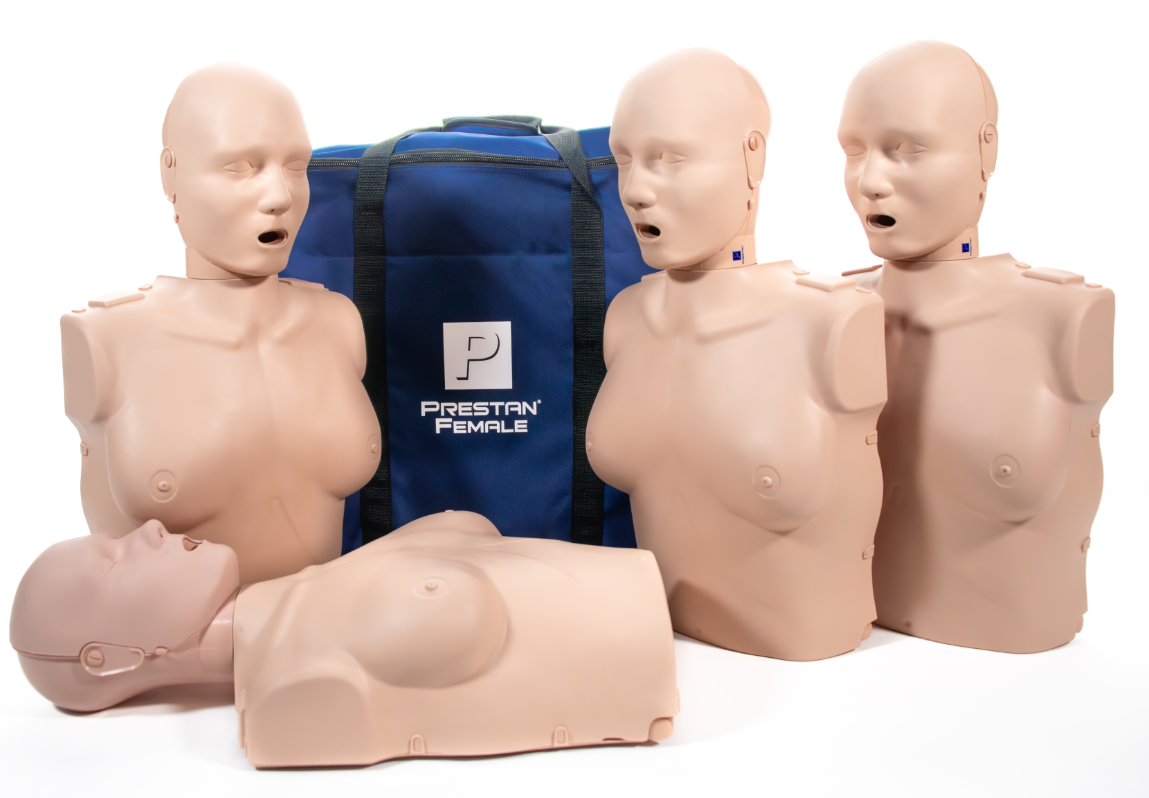
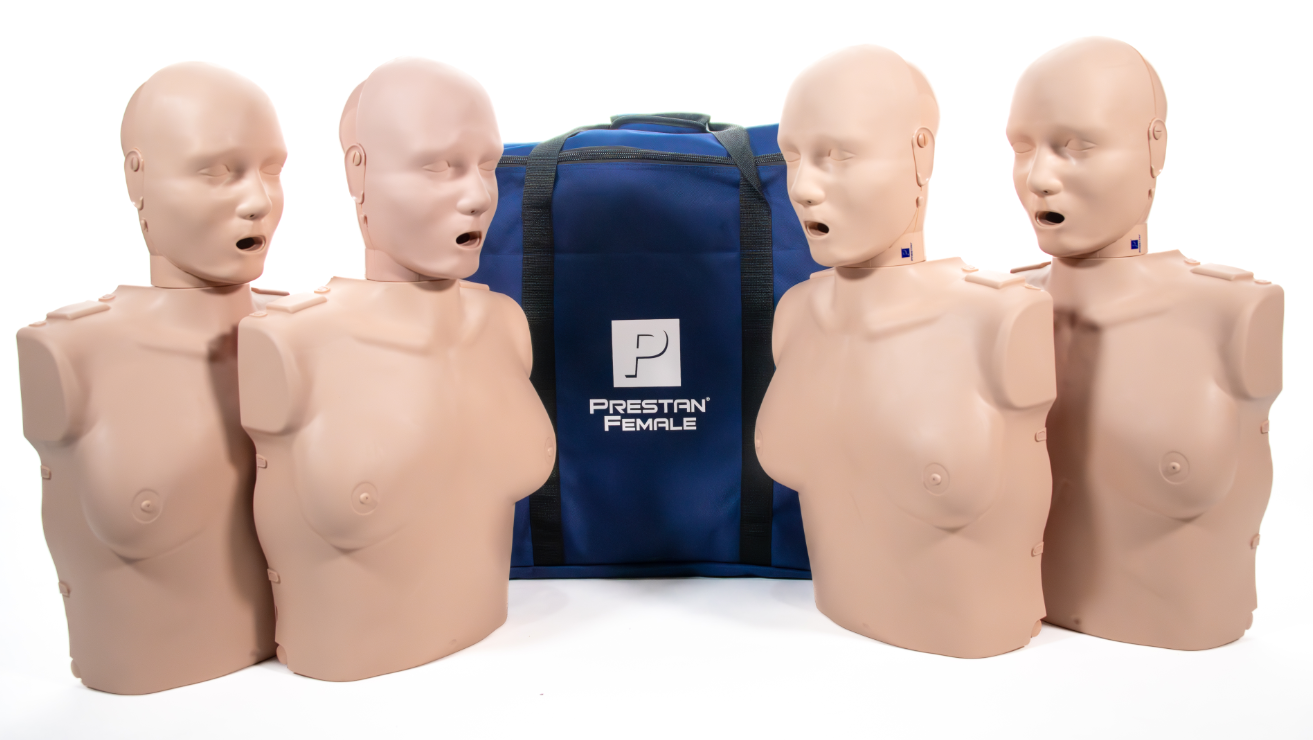
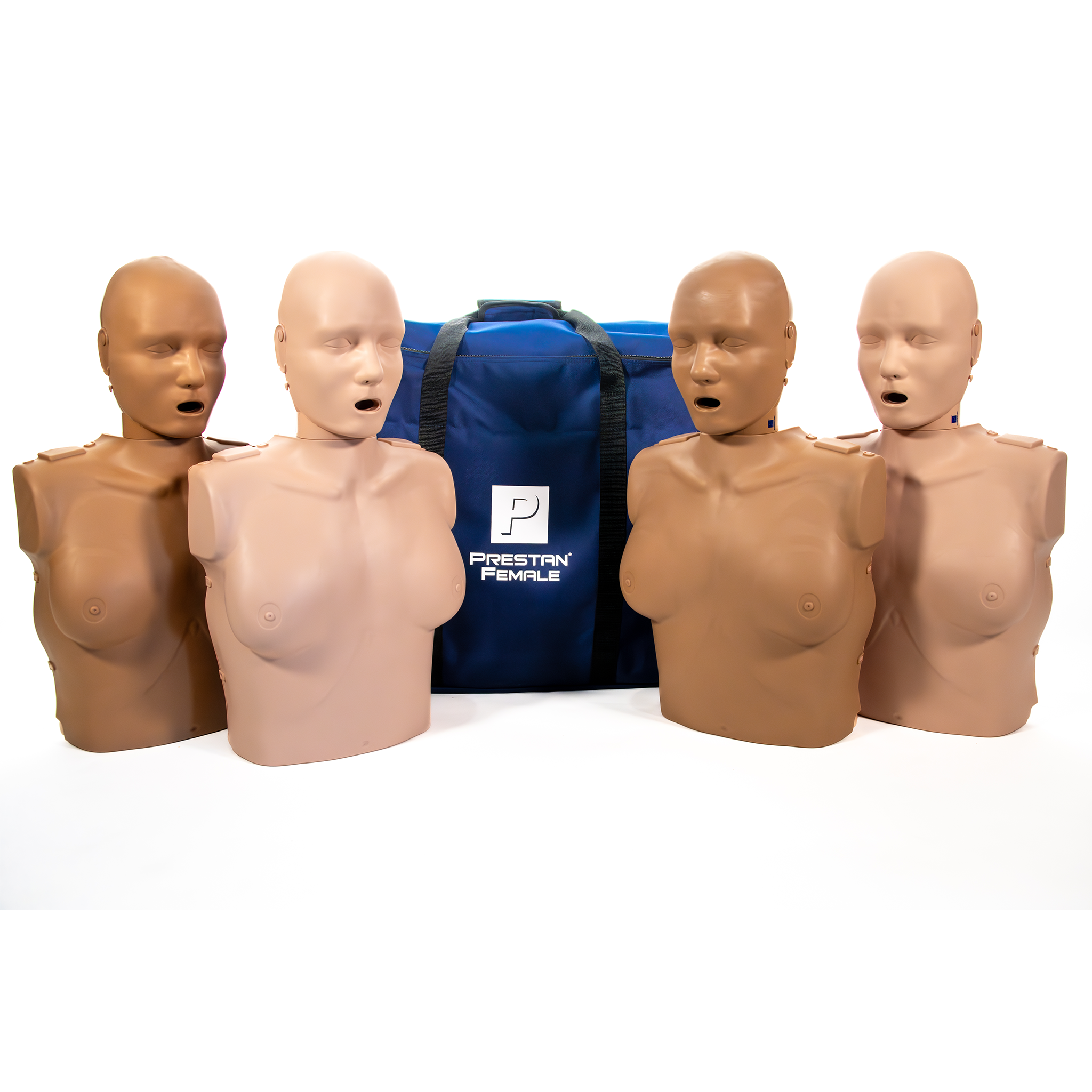
Prestan
PRESTAN Professional Female Manikin Diversity Kit with CPR Feedback | 4-Pack
Sale price$1,410.00
Prestan
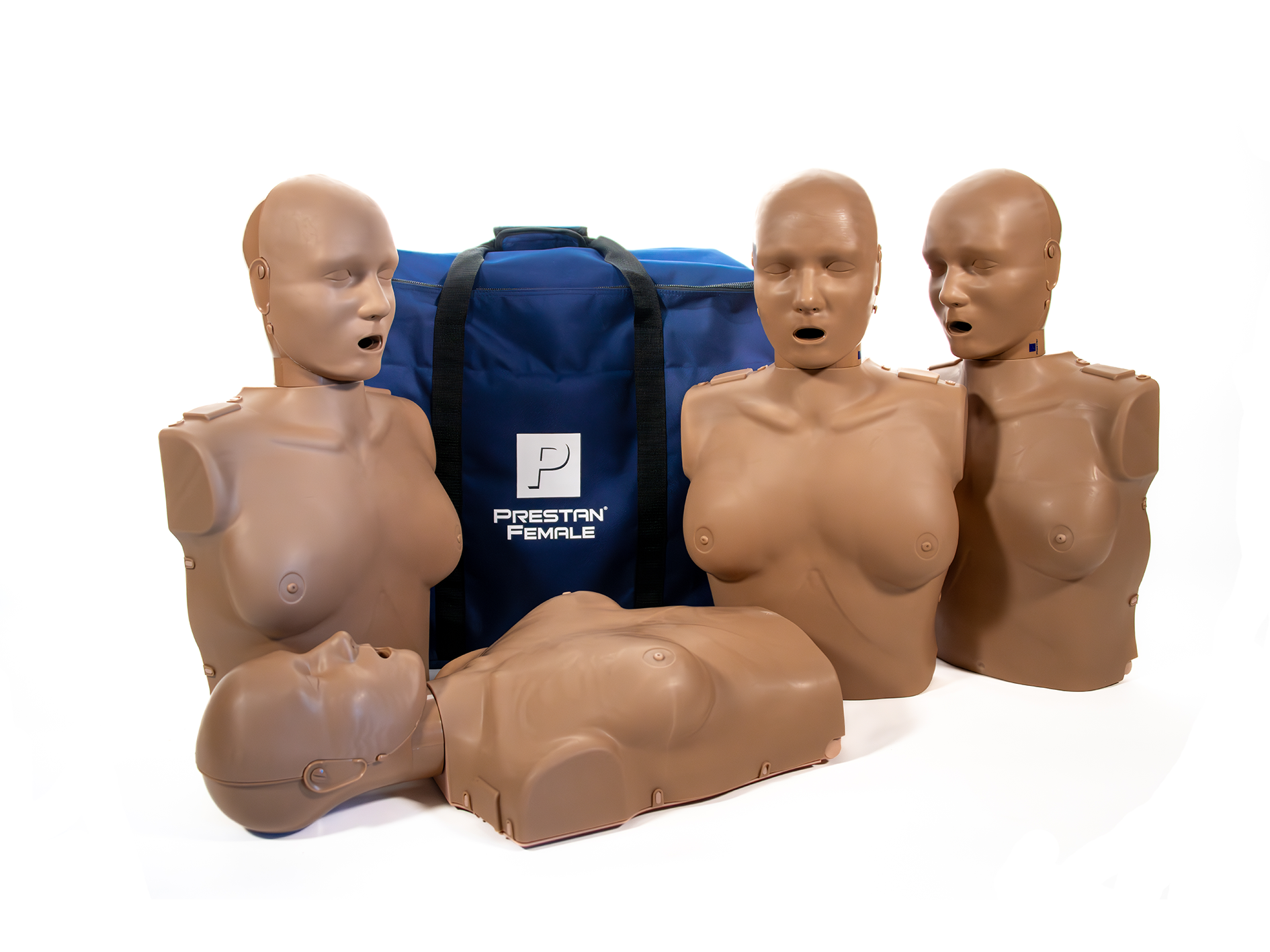
PRESTAN Professional Female Manikin with CPR Feedback | 4-Pack | Dark Skin
Sale price$1,410.00
Prestan
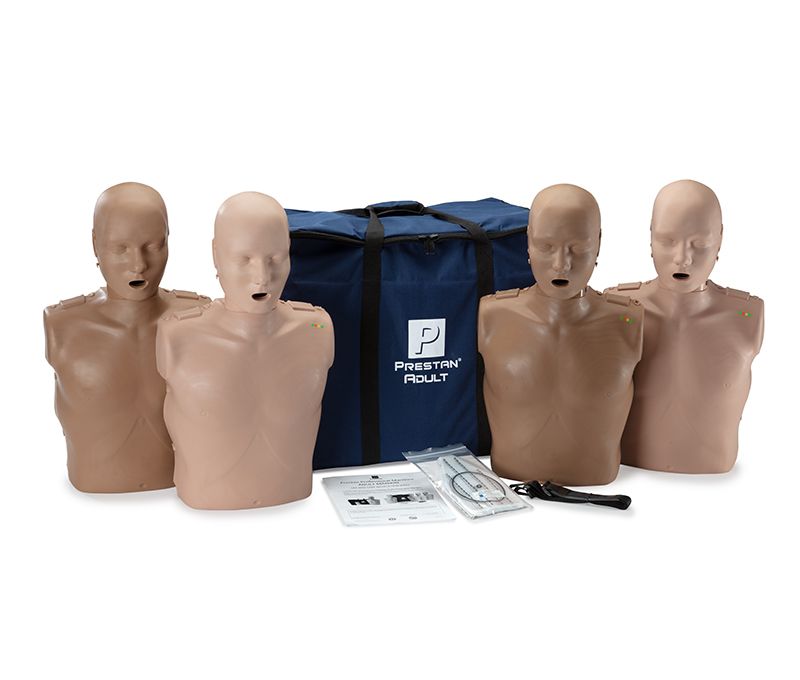
PRESTAN Professional Adult Manikin Diversity Kit with CPR Feedback | 4-Pack
Sale price$1,410.00
Prestan
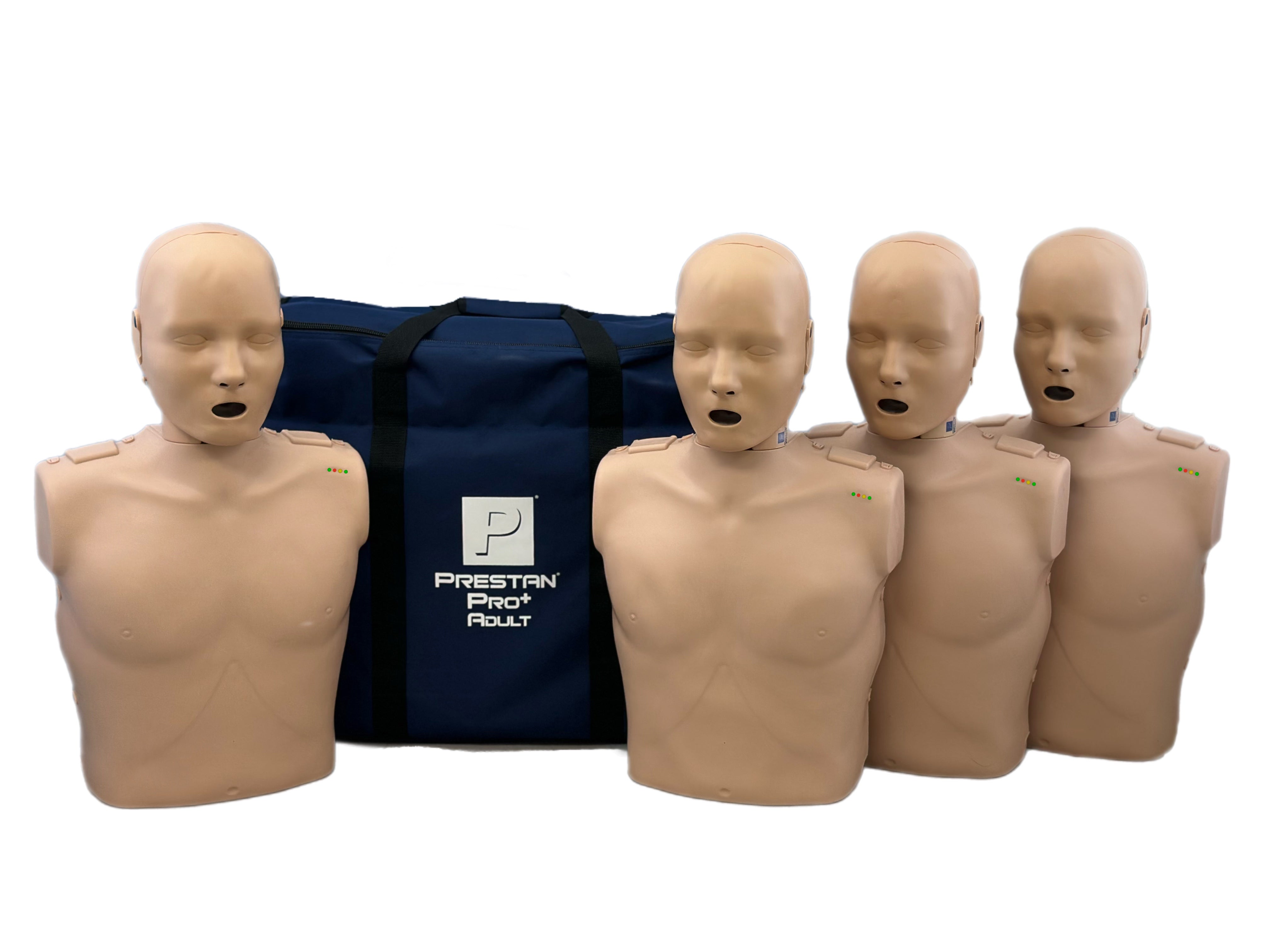
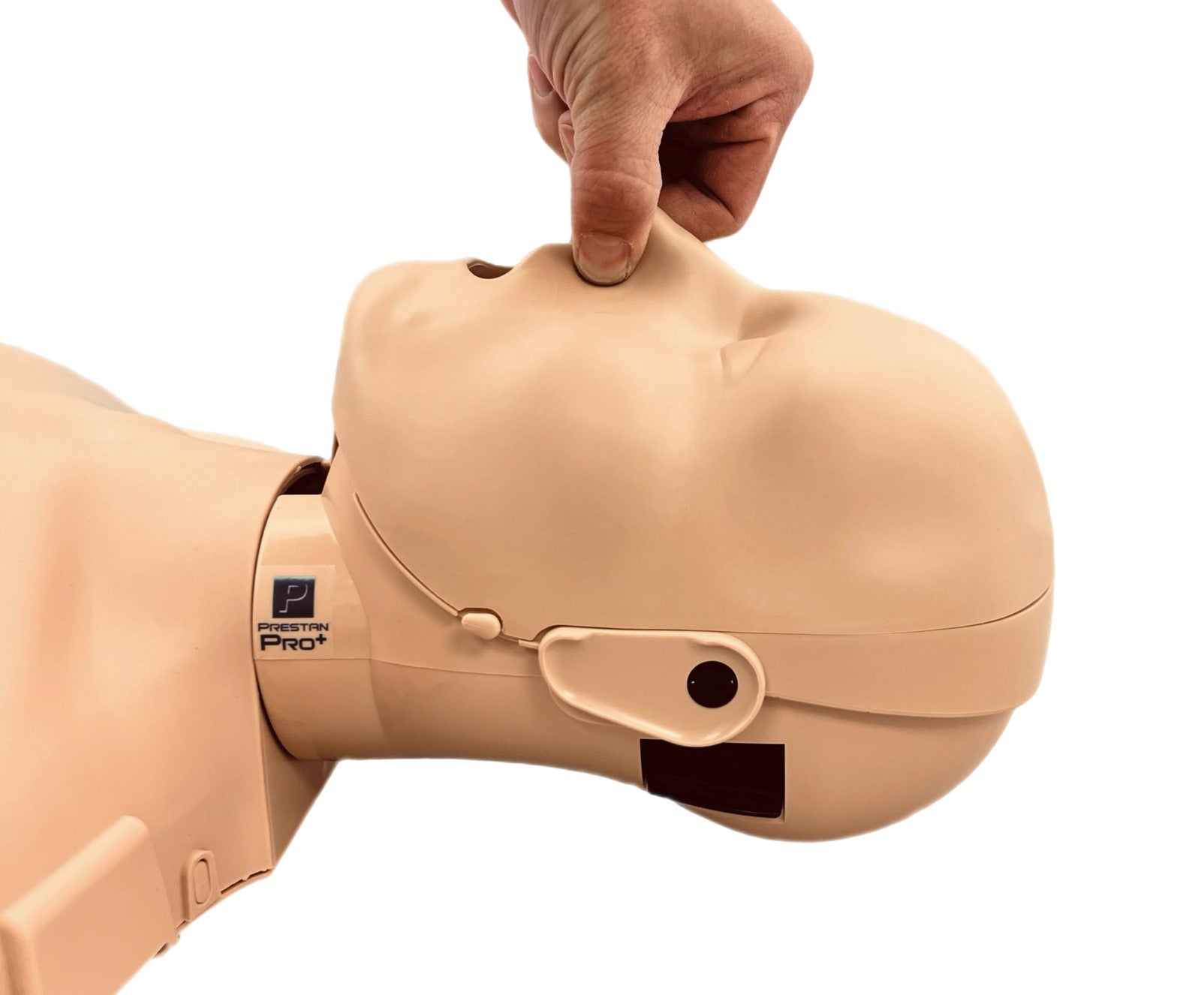
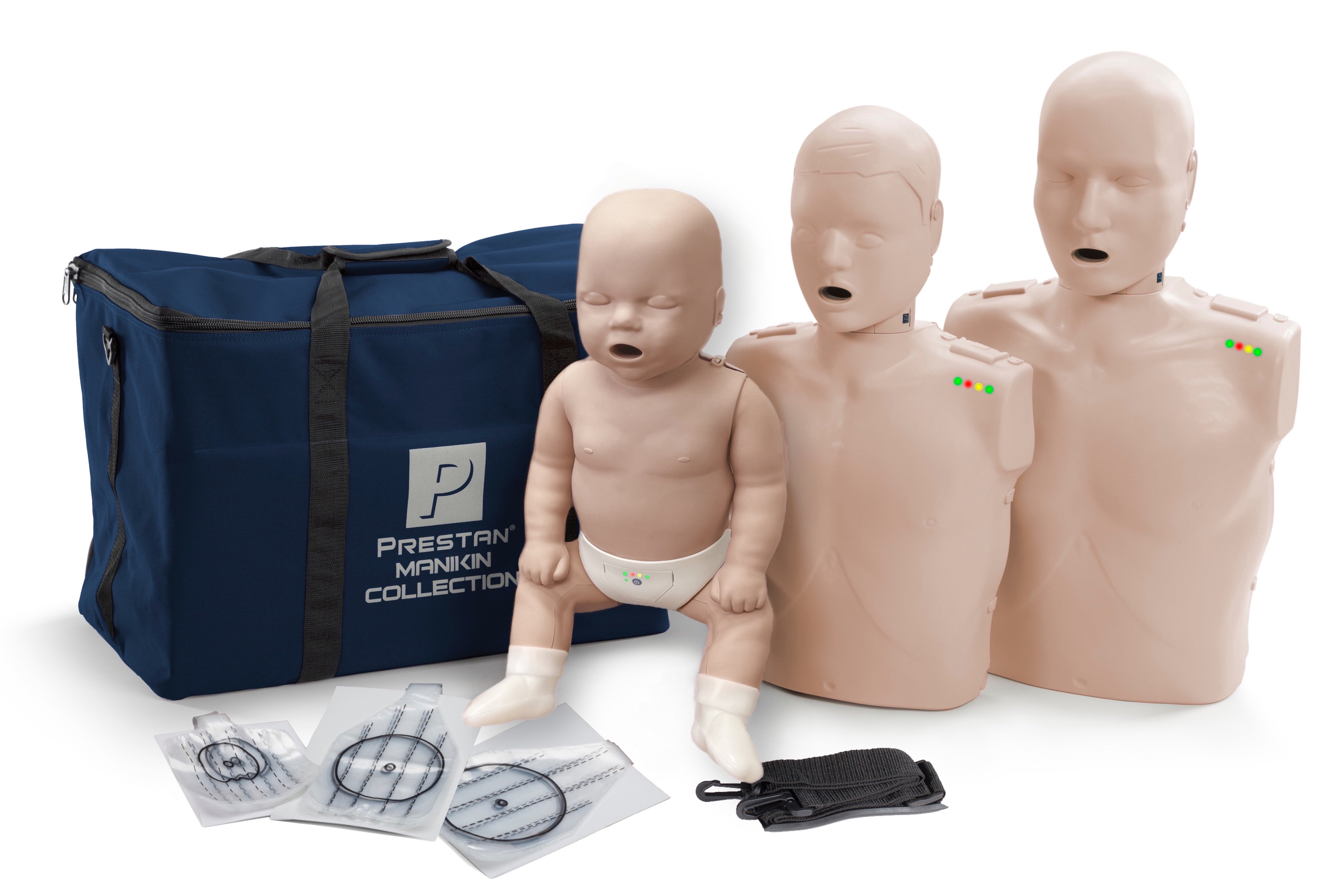
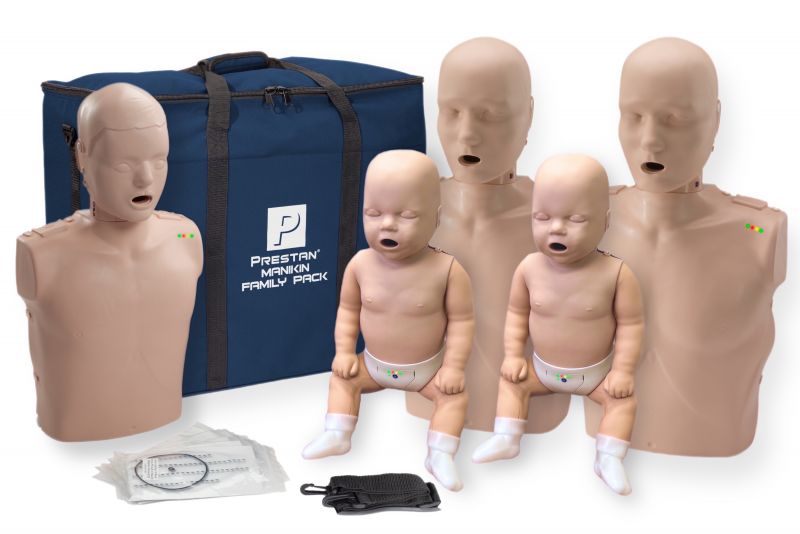
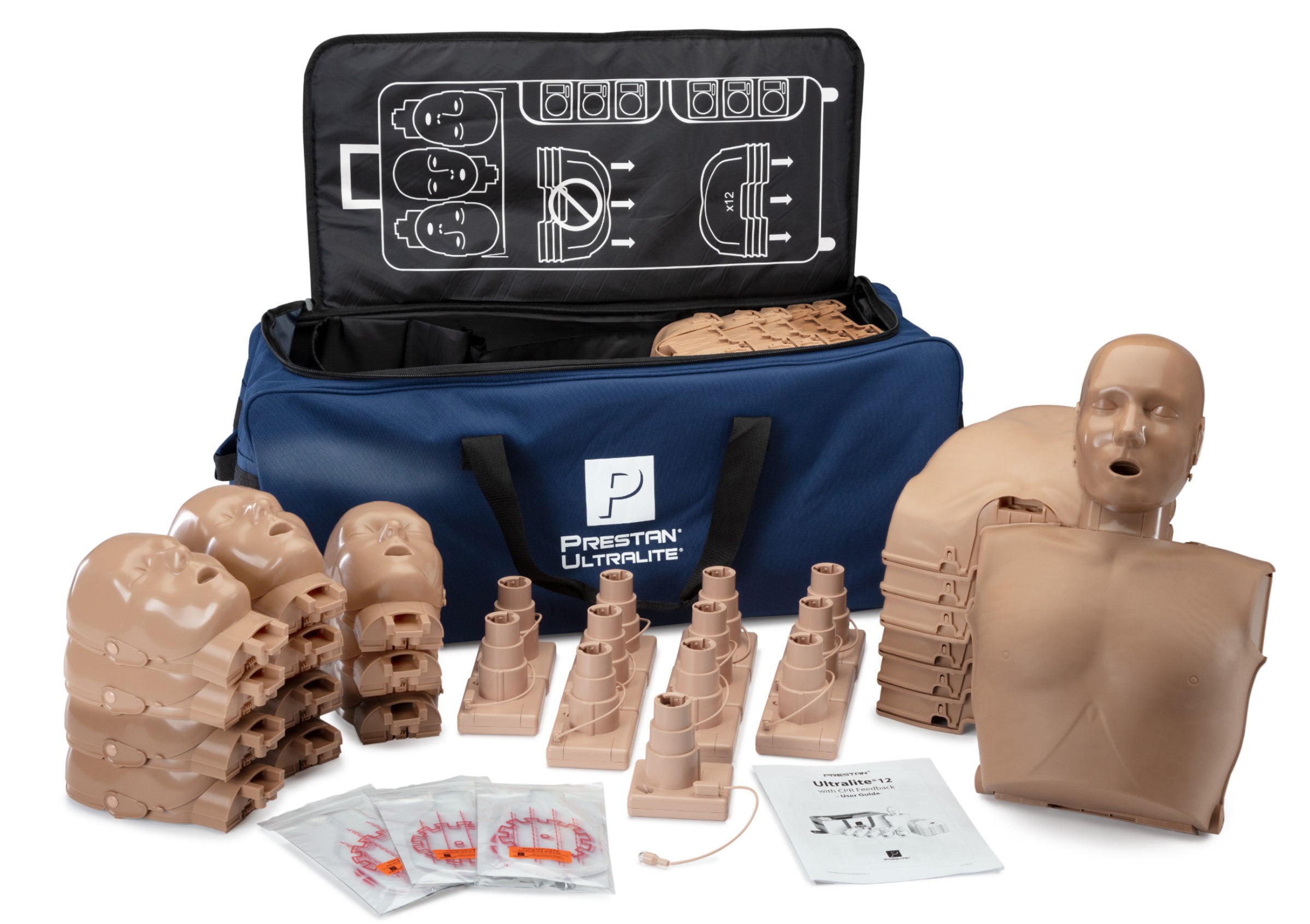
PRESTAN Professional Manikin with CPR Feedback | Family Pack, Medium Skin
Sale price$1,310.00
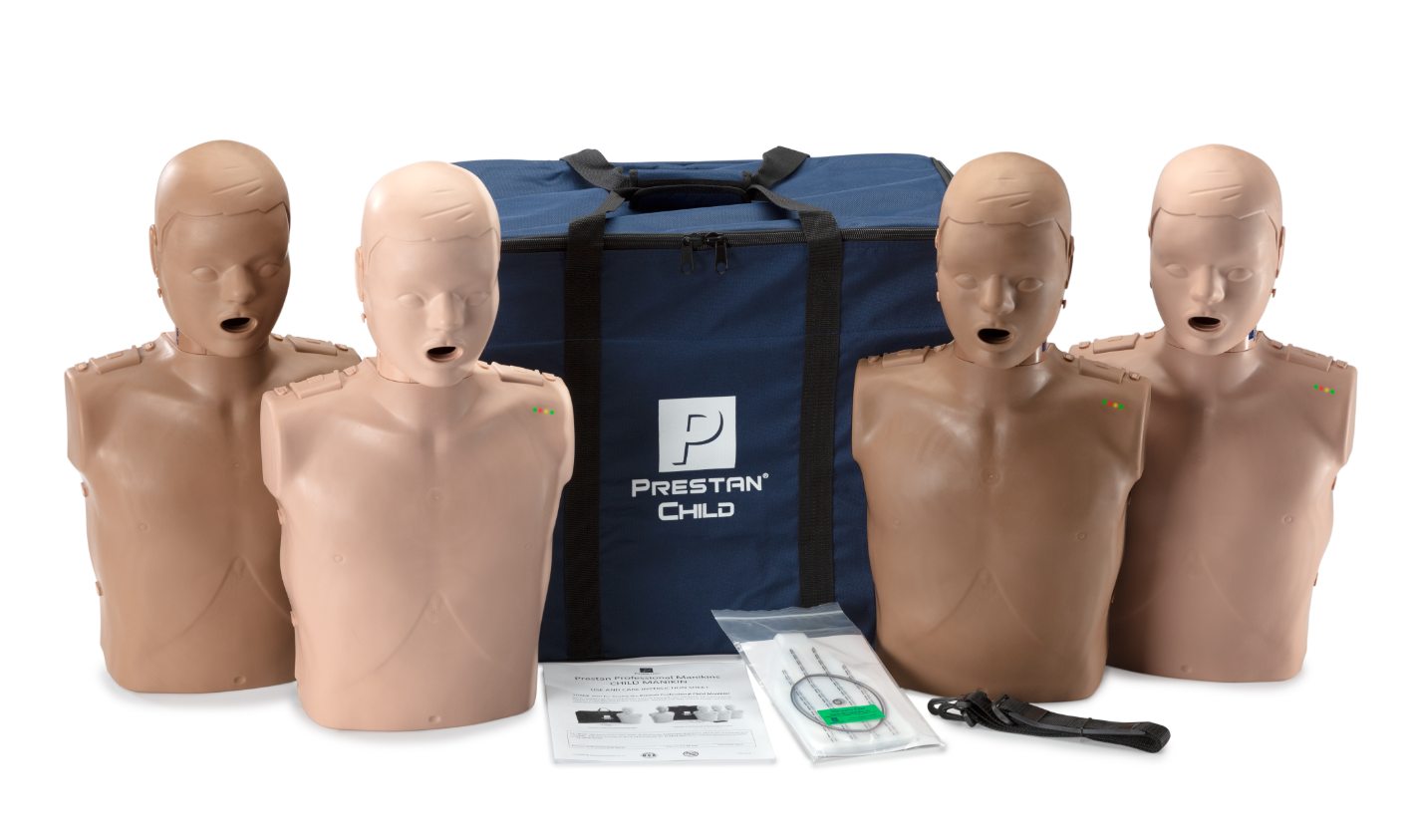
Prestan
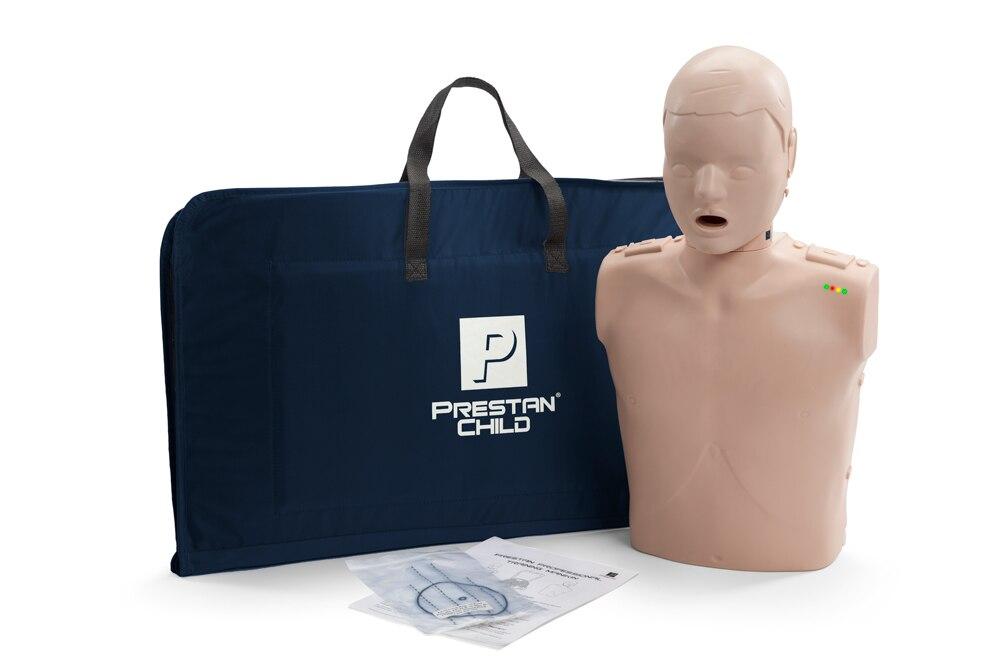
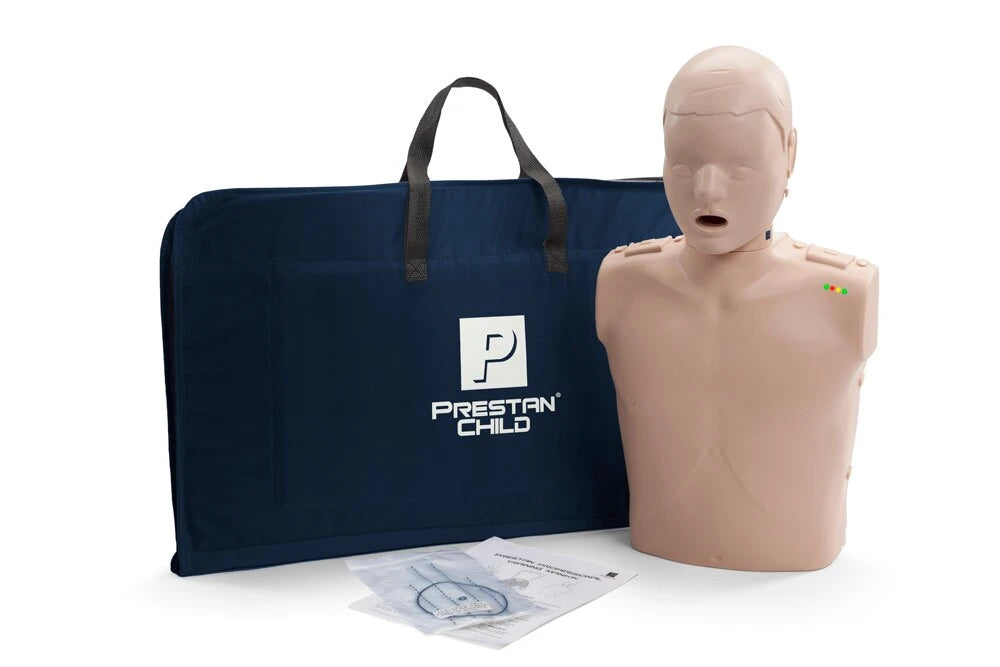
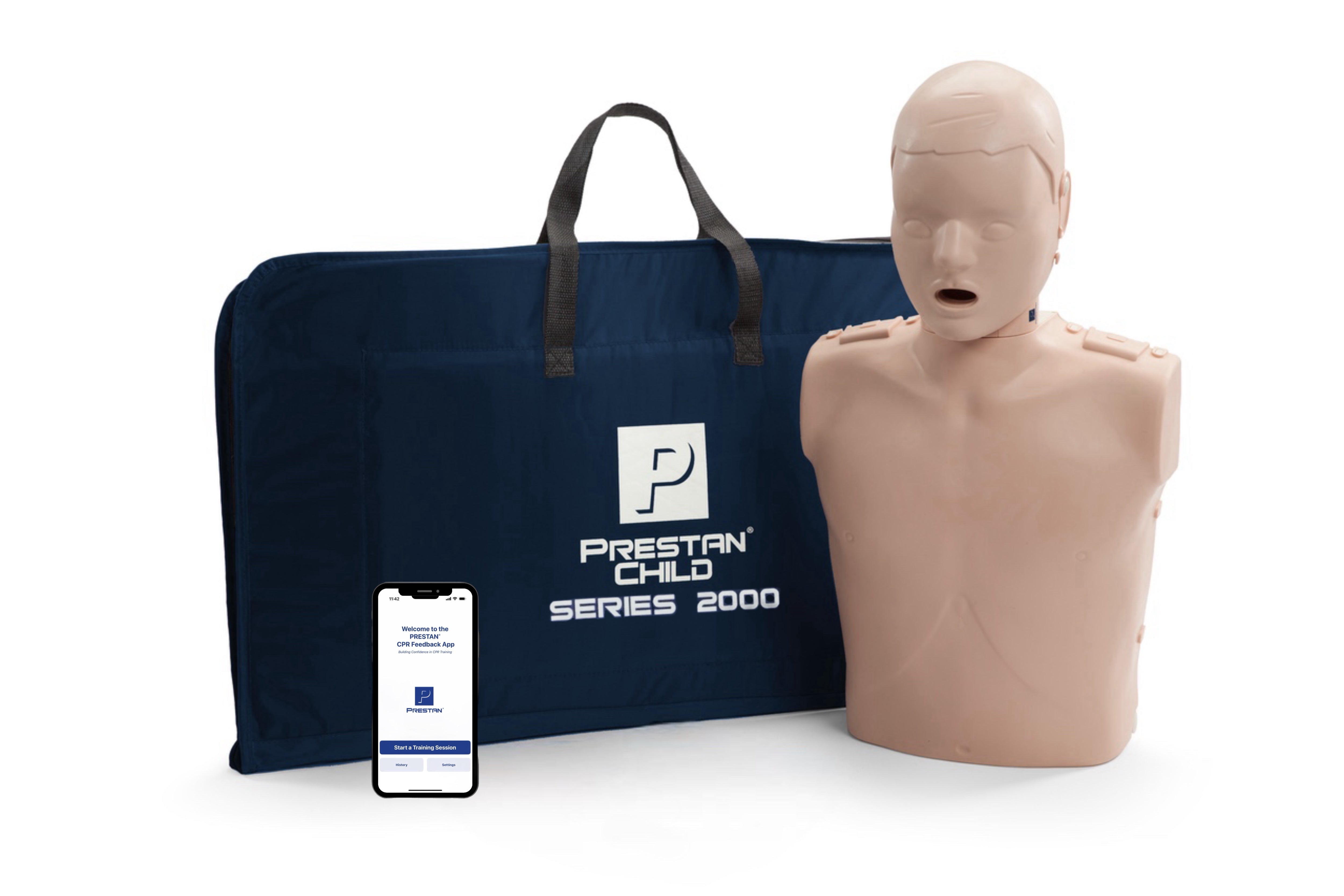
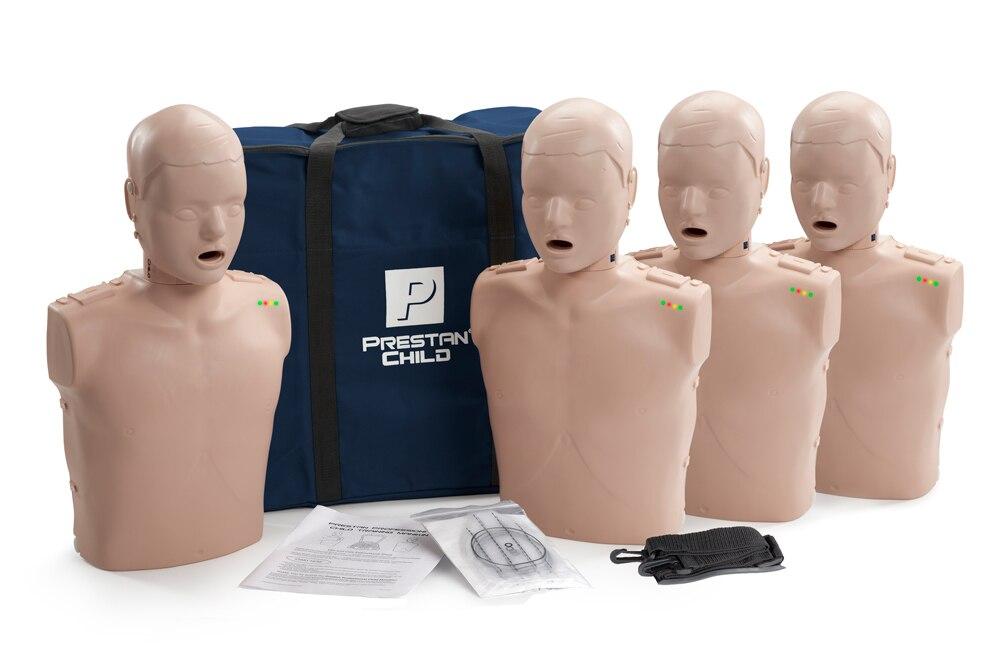
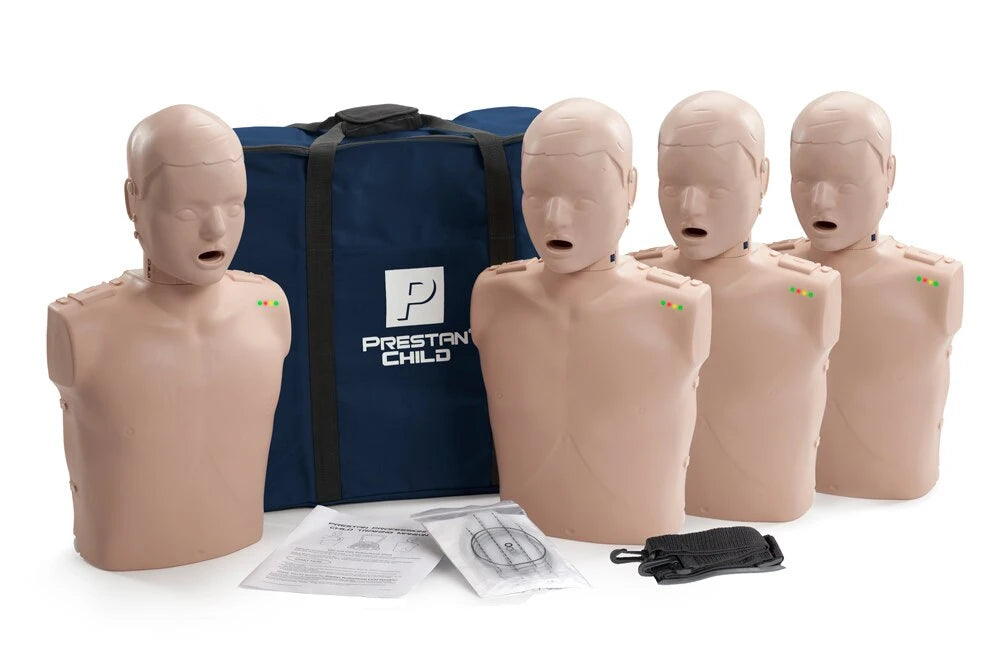
PRESTAN Professional Child Manikin Diversity Kit with CPR Feedback | 4-Pack
Sale price$1,060.00
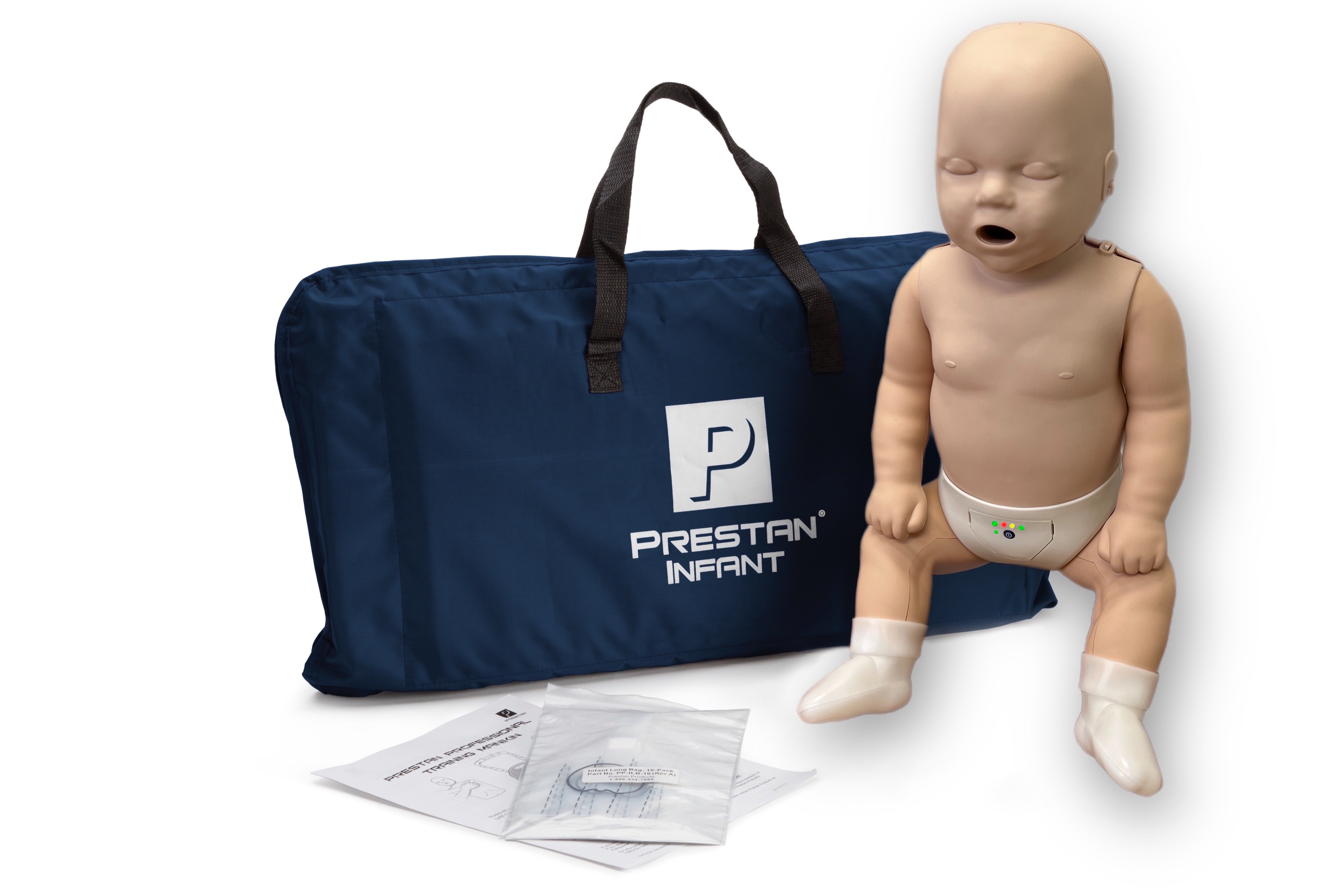
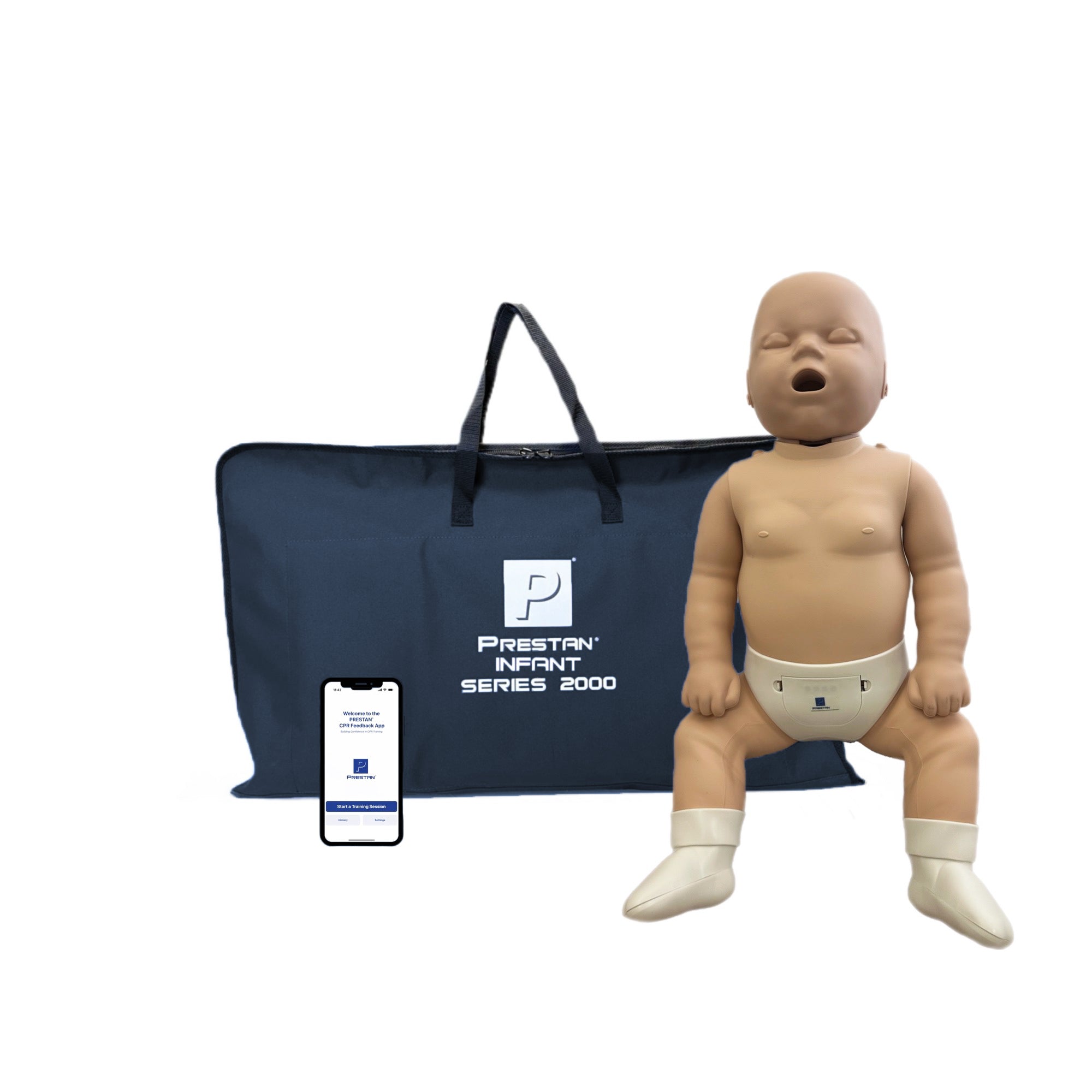
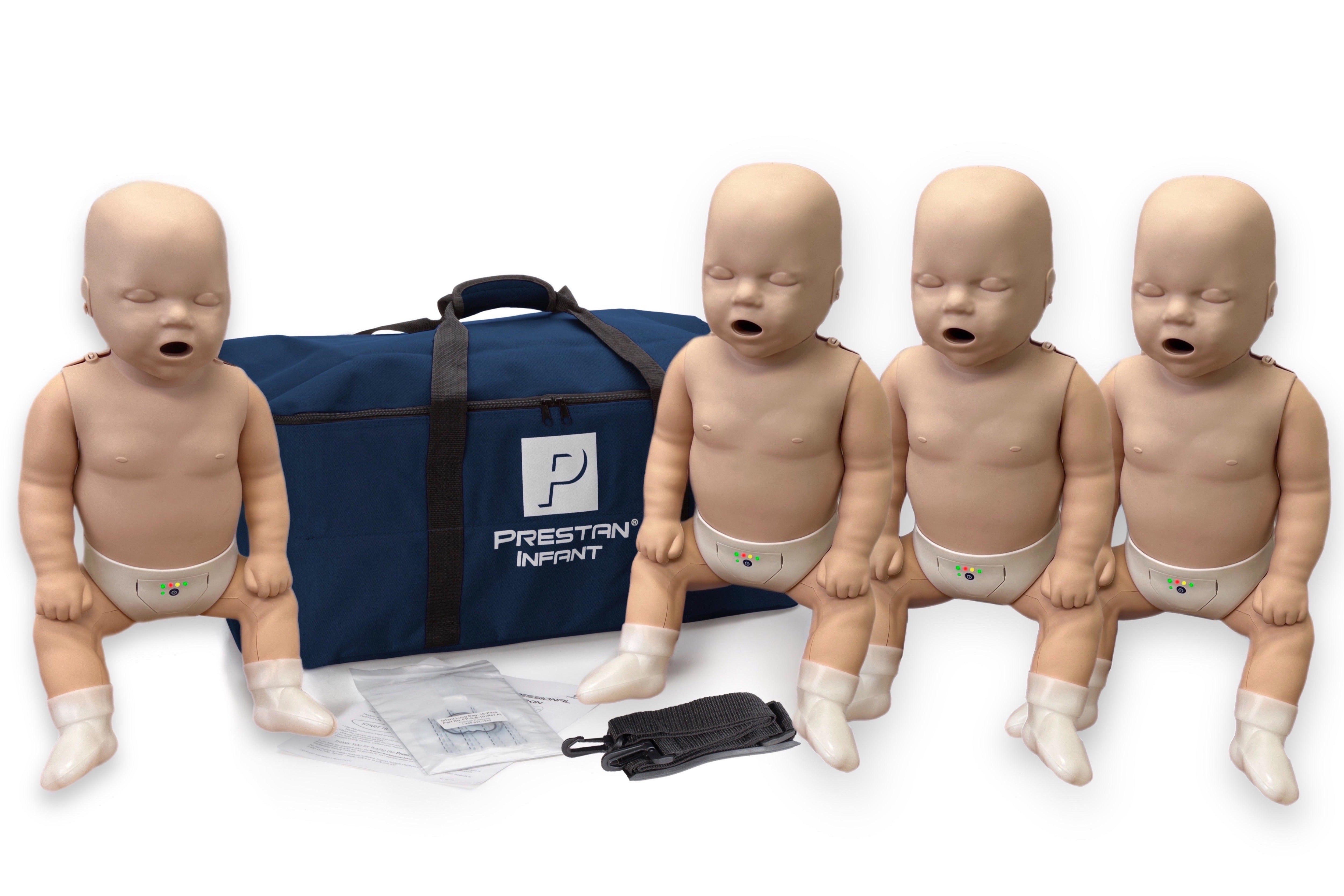
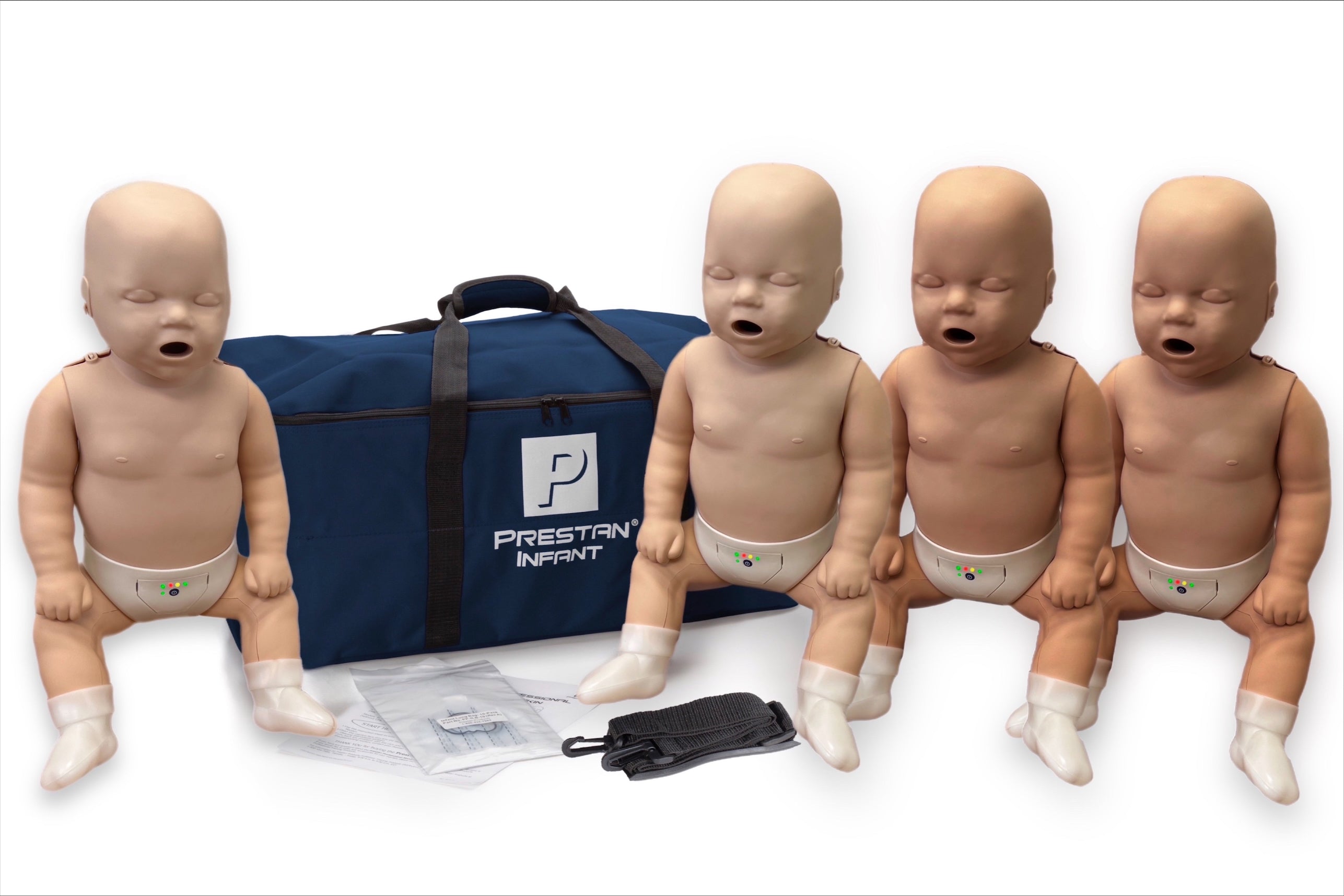
Prestan
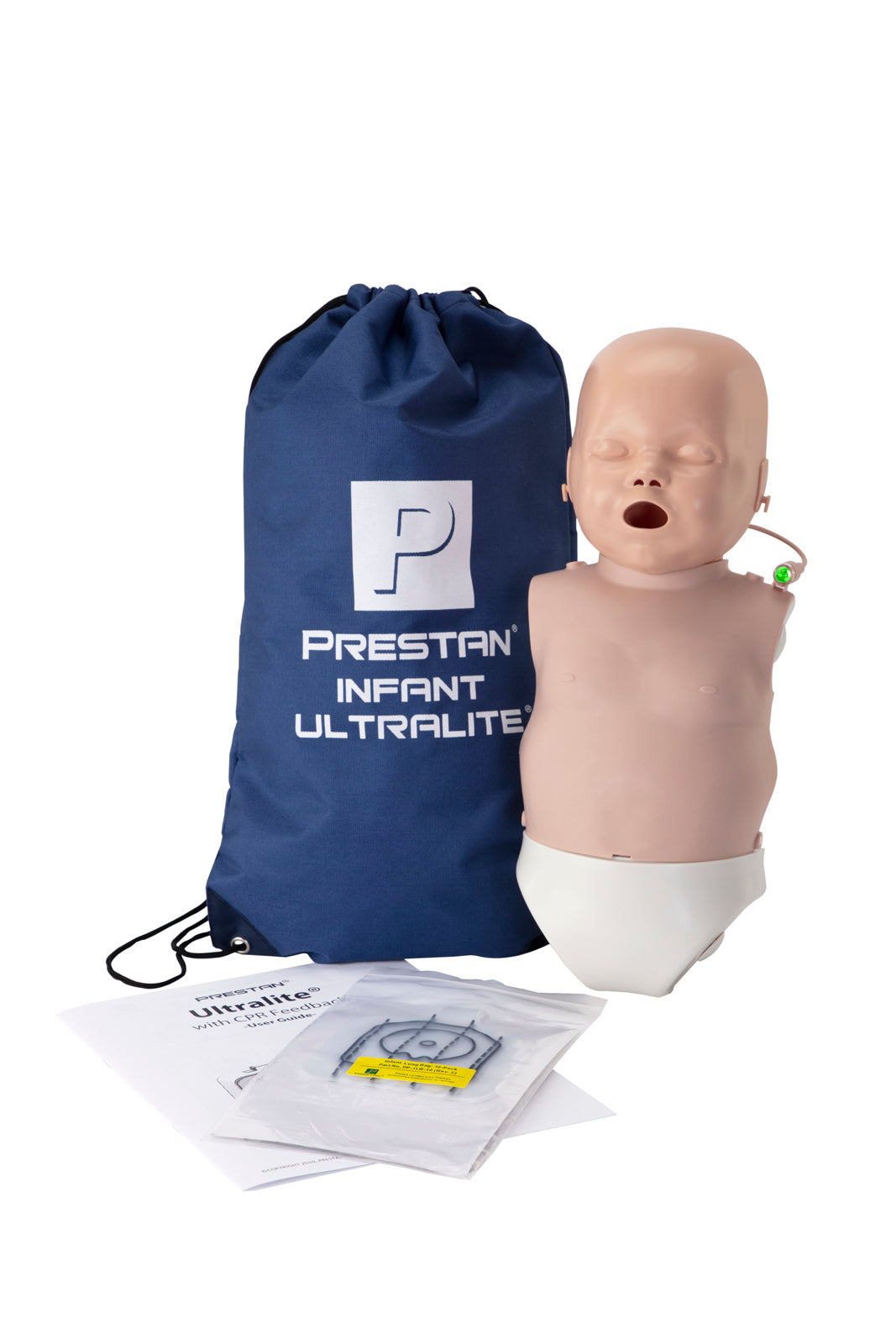
PRESTAN Professional Infant Manikin Diversity Kit with CPR Feedback | 4-Pack
Sale price$1,180.00
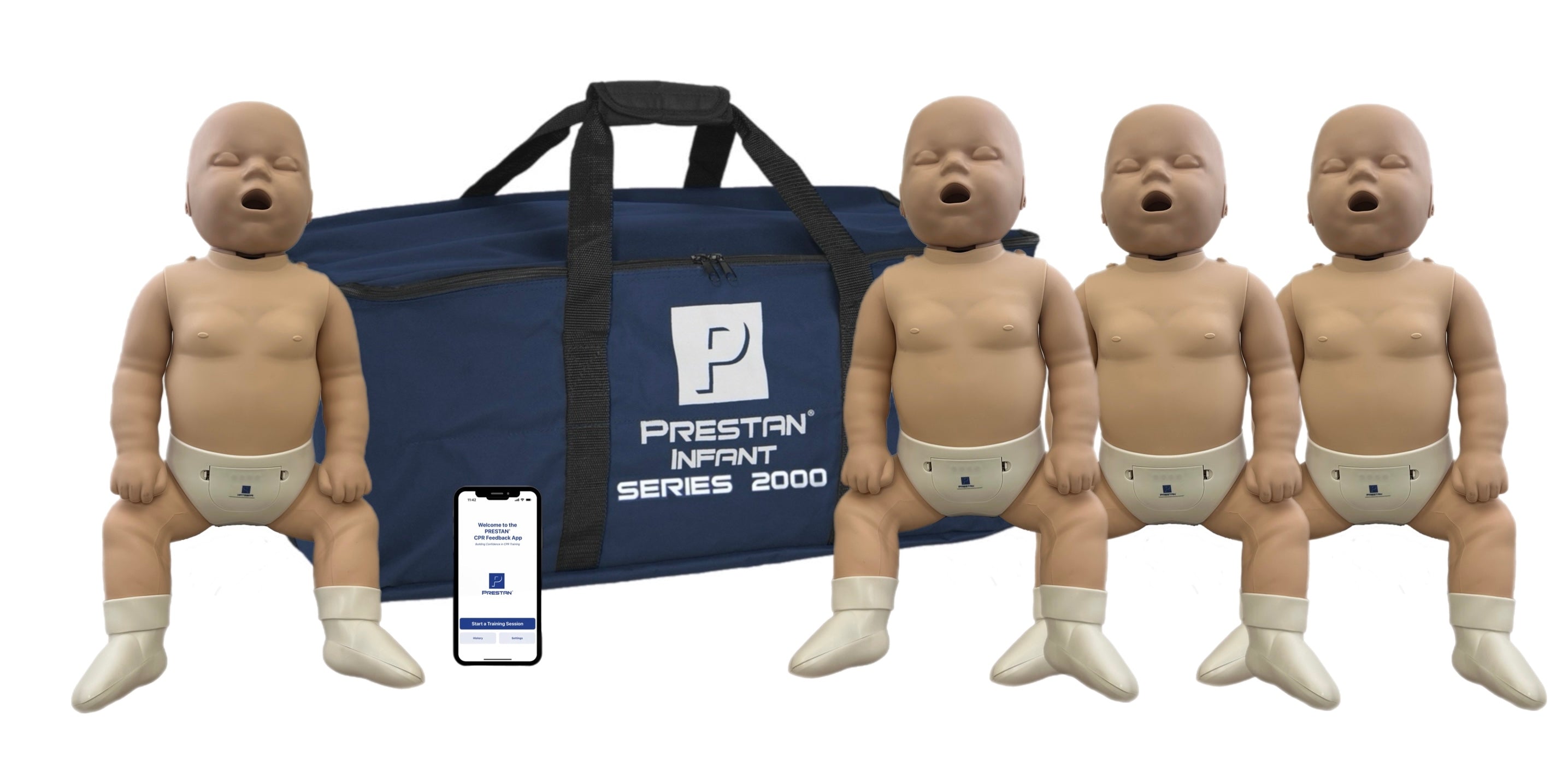
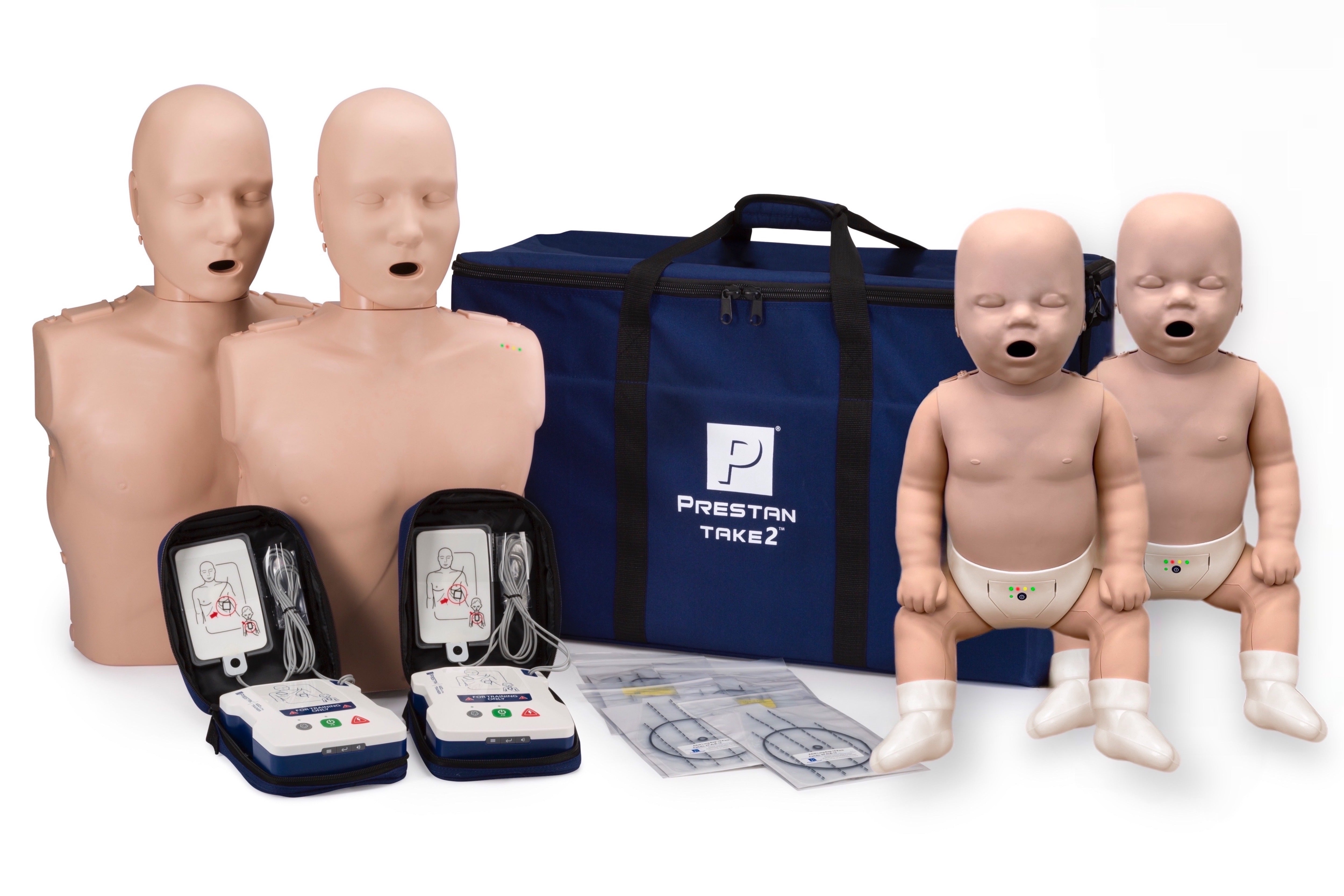
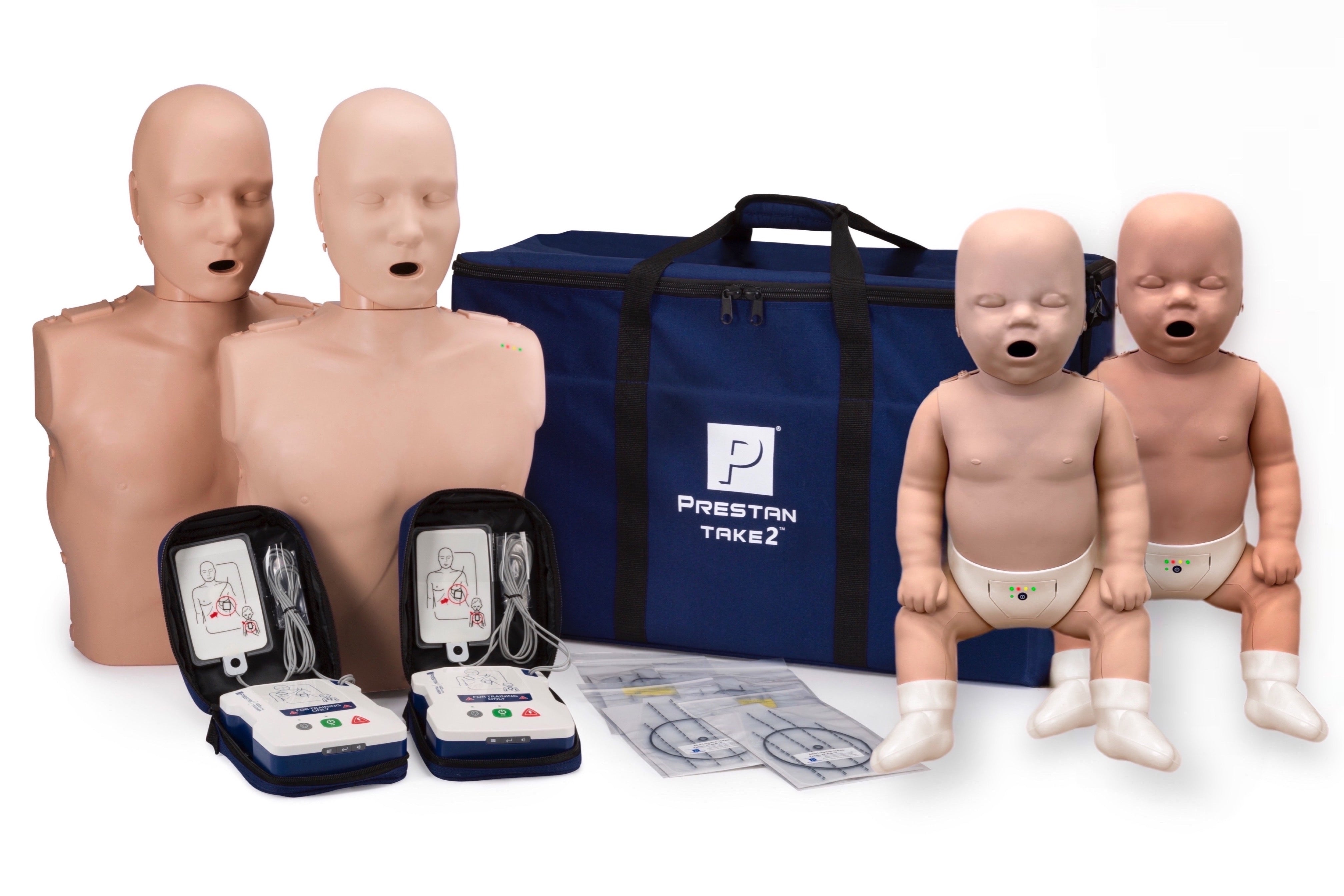
Frequently asked questions
What is a CPR manikin?
A CPR manikin, also called a CPR dummy or mannequin, is a life-size training tool used to simulate cardiac arrest and practise resuscitation. Learners rehearse chest compressions at the correct depth and rate, at least 5 cm deep and 100 to 120 per minute, along with rescue breaths, so skills transfer to a real emergency. Manikins are training tools only and are not medical devices.
Manikin or mannequin: which spelling is correct?
For a medical training model the correct spelling is manikin. Mannequin usually refers to the stationary models used for clothing and window displays, while a manikin is an anatomically realistic model built to simulate real scenarios such as CPR. Both spellings are widely searched, so you will see the terms used interchangeably.
How many CPR manikins do I need for a class?
As a rule of thumb, aim for one manikin per learner so everyone stays hands-on. Many trainers choose a 4-pack for standard group sizes, or a family or multi pack that combines adult, child and infant models. For larger or recurring courses, bulk packs with a carry or wheeled bag are the most practical.
Do I need a CPR manikin with feedback?
CPR feedback manikins show compression depth and rate as you work, which speeds up learning and is often preferred for structured or assessed training. The method varies by brand, from Prestan's audible clicker to Laerdal's Bluetooth QCPR apps. If you are running awareness sessions or high-volume practice and want to keep costs down, non-feedback manikins are a good choice.
What is the difference between adult, child and infant manikins?
They reflect the different body size, compression depth and technique each age group requires. Adult manikins cover most general courses; child and infant manikins are needed whenever your training includes paediatric CPR. Family and multi packs bundle all three so you can teach across age groups.
How do I clean and maintain a CPR manikin?
Wipe surfaces down with an appropriate disinfectant between users and replace consumables such as face shields, airways and lung bags as needed. Using individual face shields per learner keeps sessions hygienic. You can find replacement lungs, faces and airways in our CPR training supplies.
Which brand of CPR manikin is best?
It depends on your priorities. Prestan is known for durability and a clicker that verifies compression depth, Laerdal's Little Anne and QCPR range for Bluetooth feedback on depth and rate, and Brayden for LED lights that show blood flow as technique improves. PractiMan offers strong value across single and bulk kits. All are widely used in Australian training; the right pick comes down to budget, feedback needs and class size.